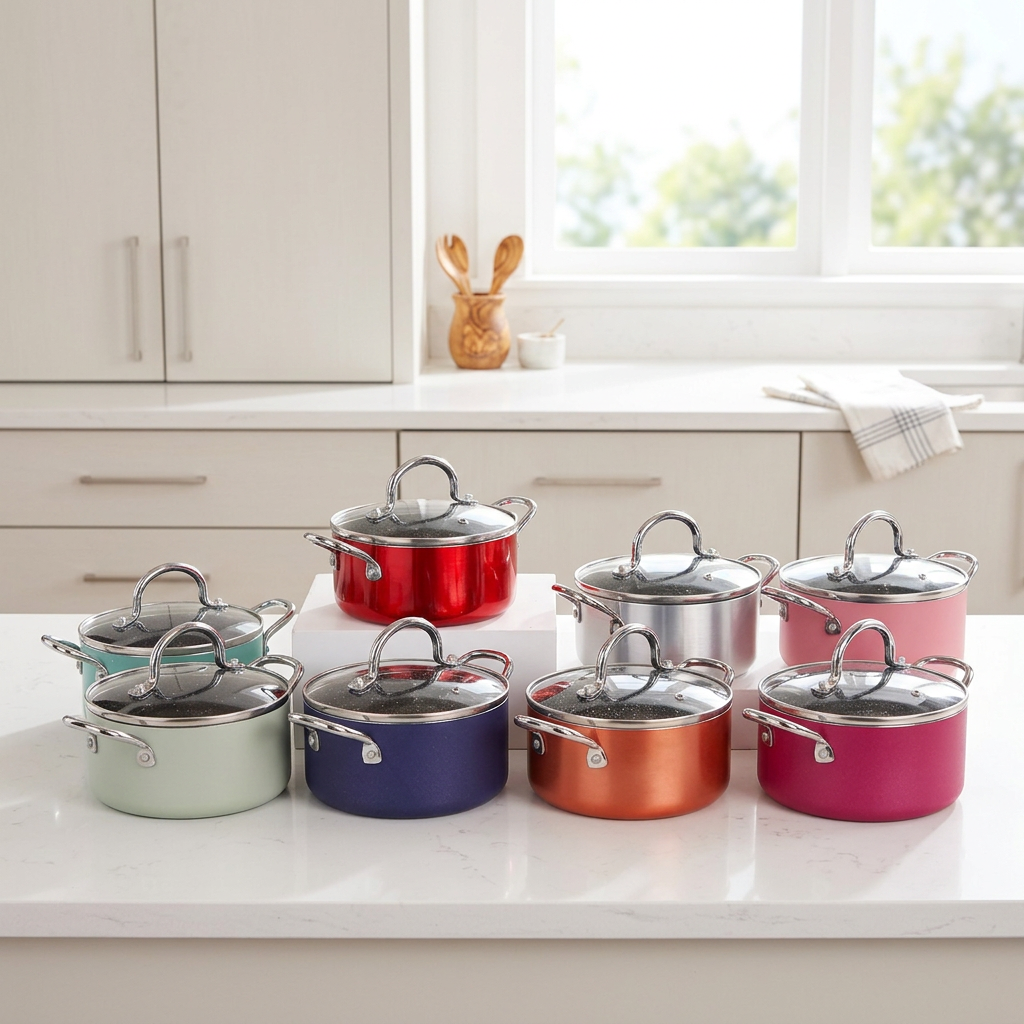
Saucepan & Reduction Pot
Manufactured under strict ISO-grade production guidelines in Jinhua, Zhejiang. Specifically configured for heavy-duty induction hobs, uniform thermal conductivity, and demanding European culinary tolerances.
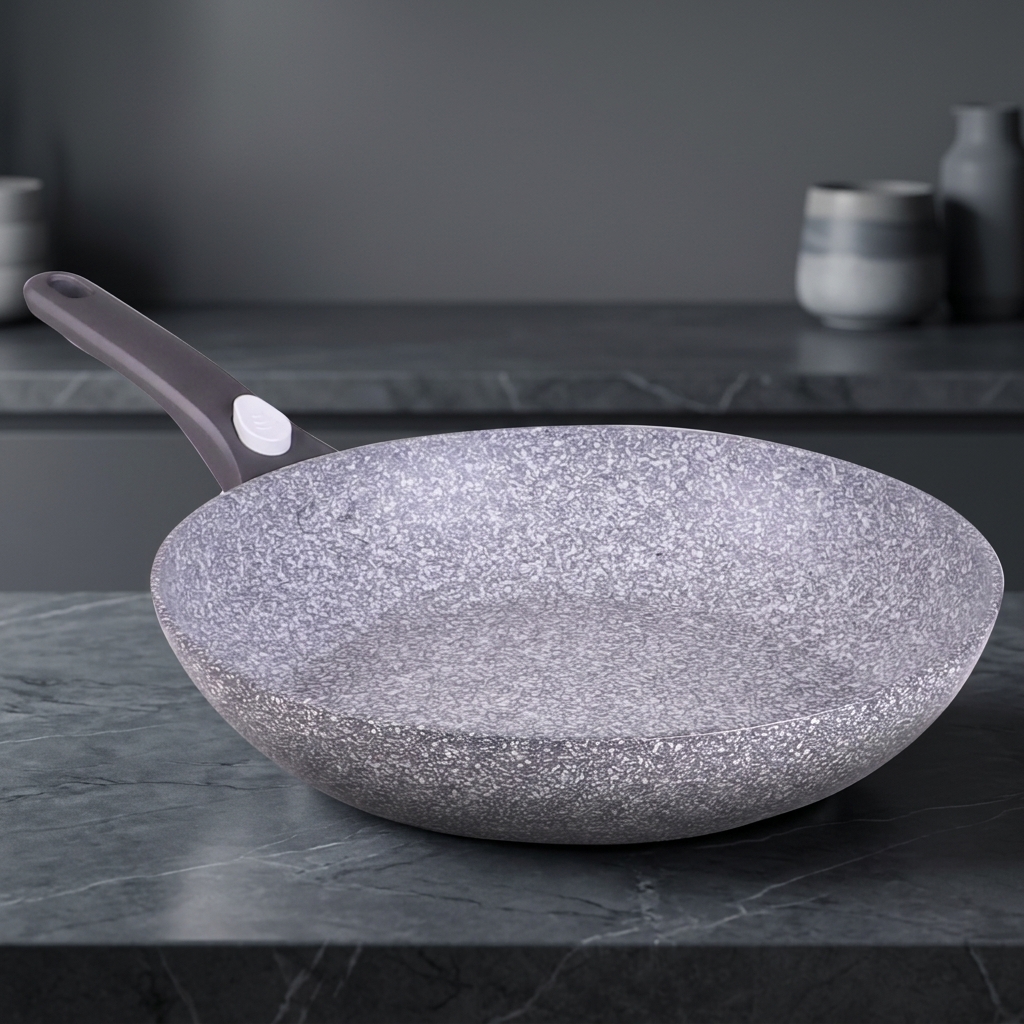
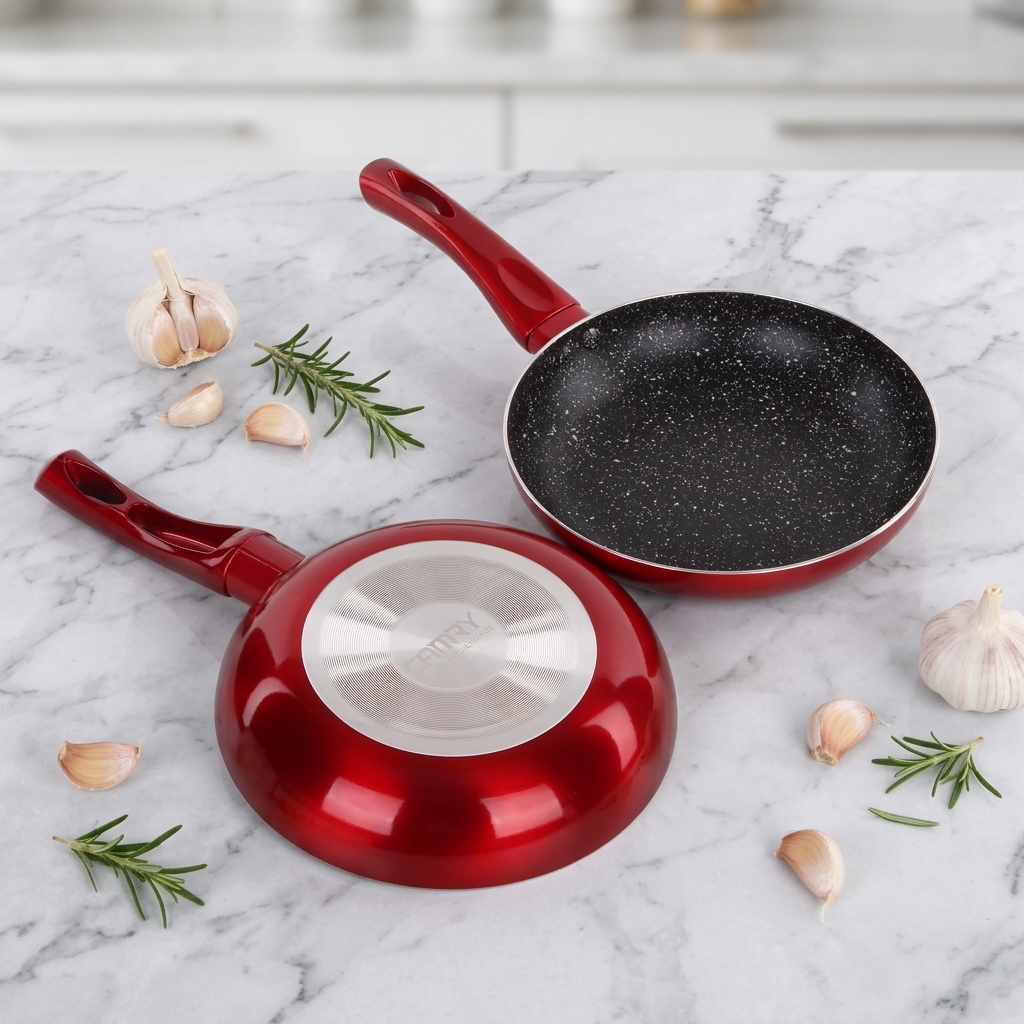
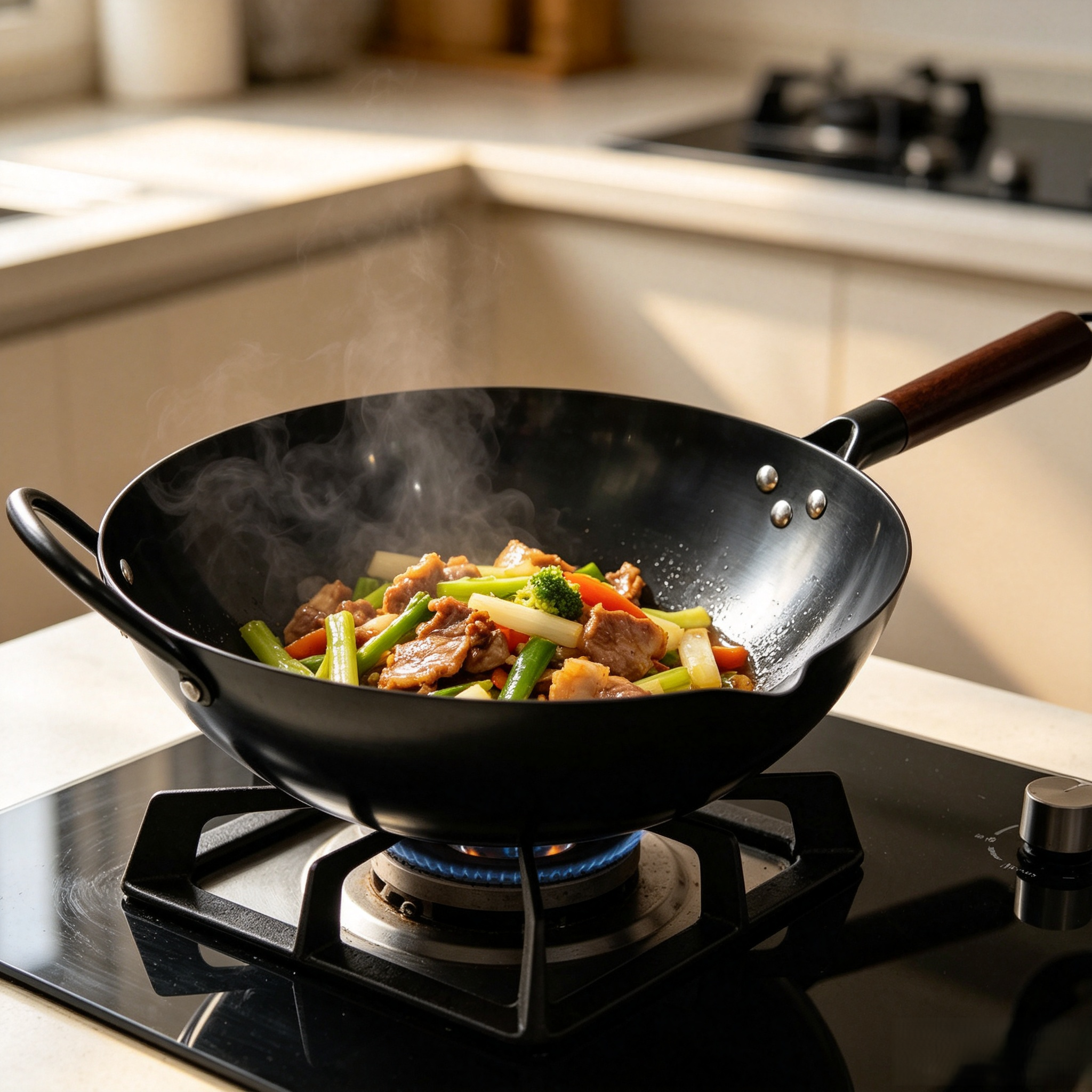
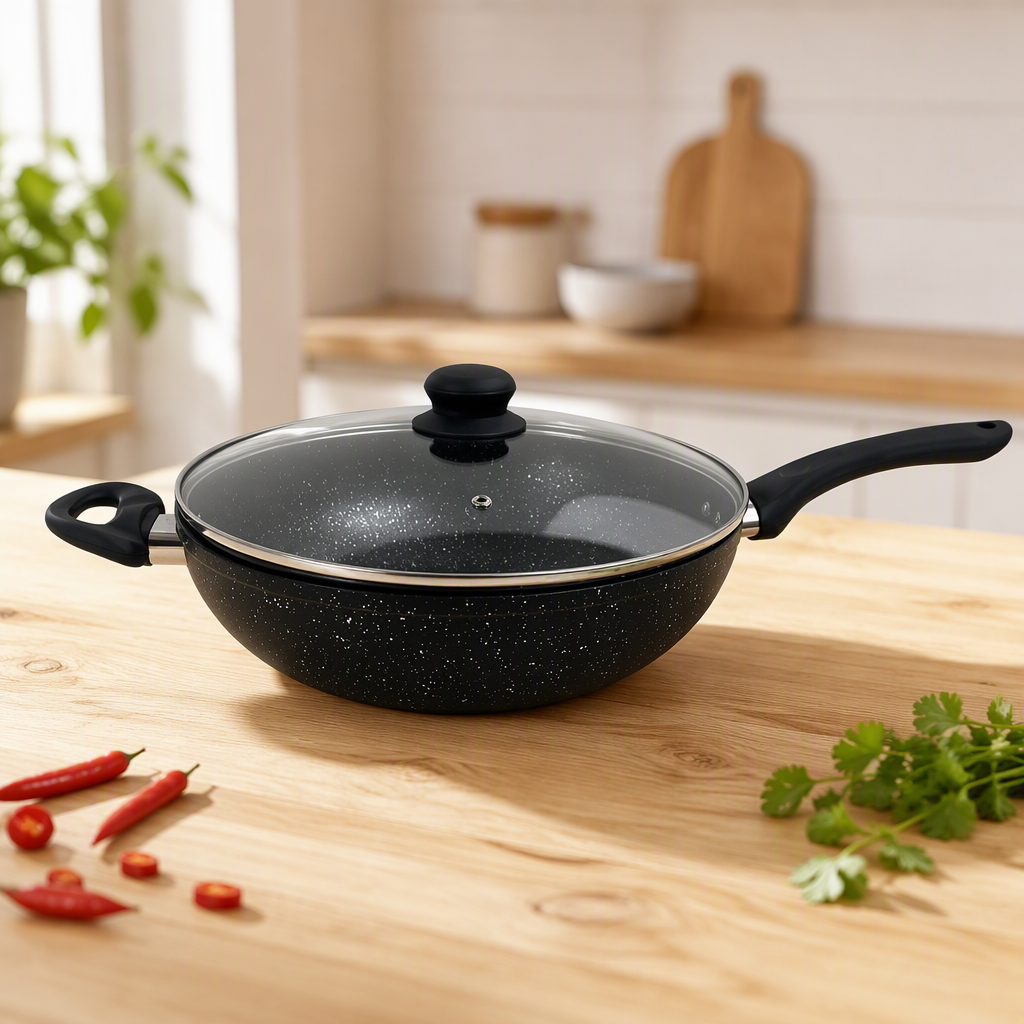
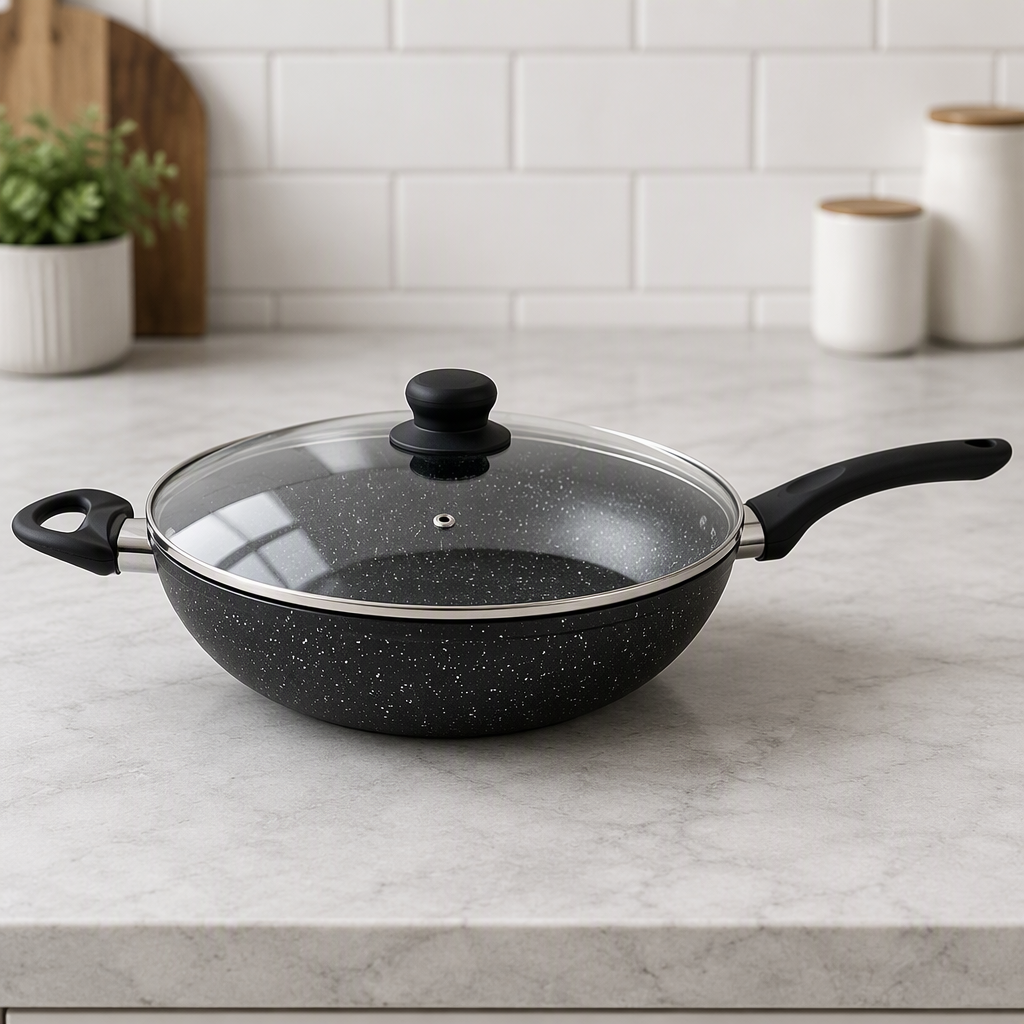
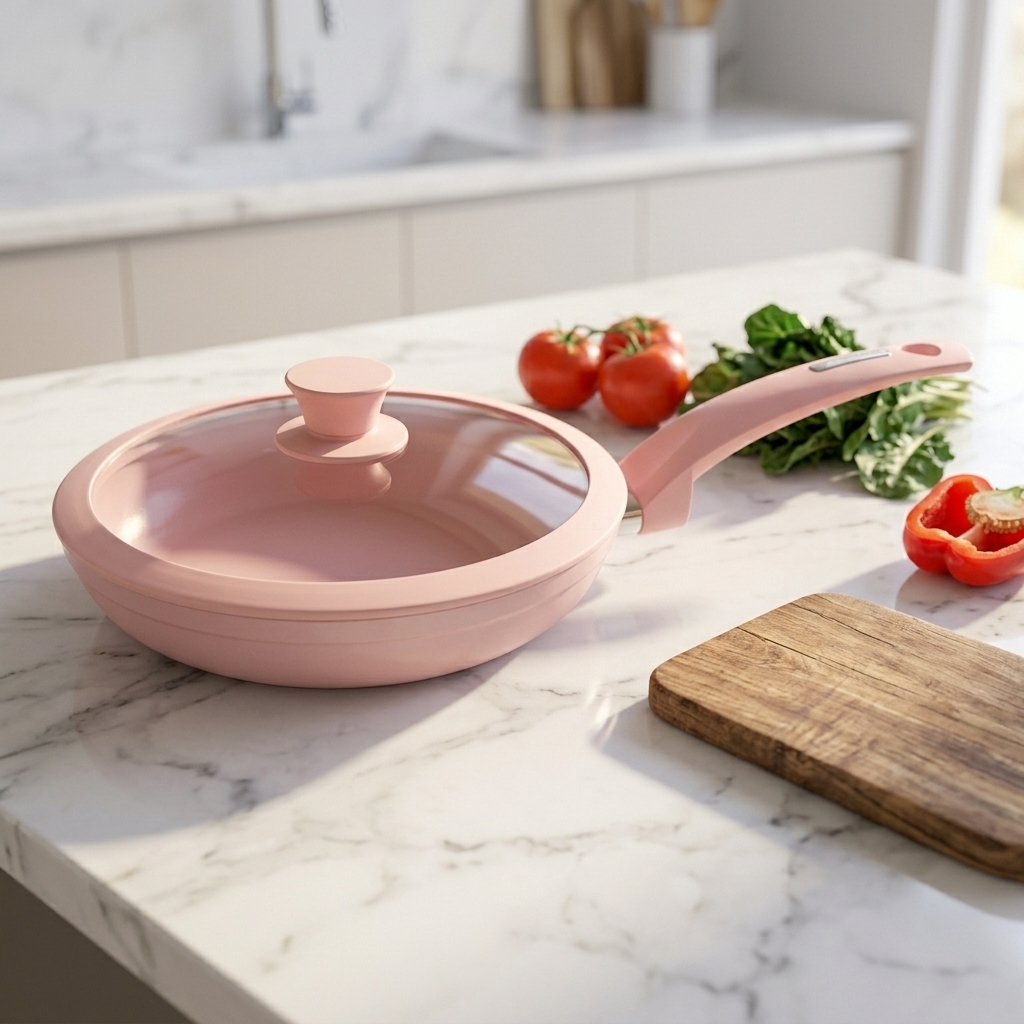
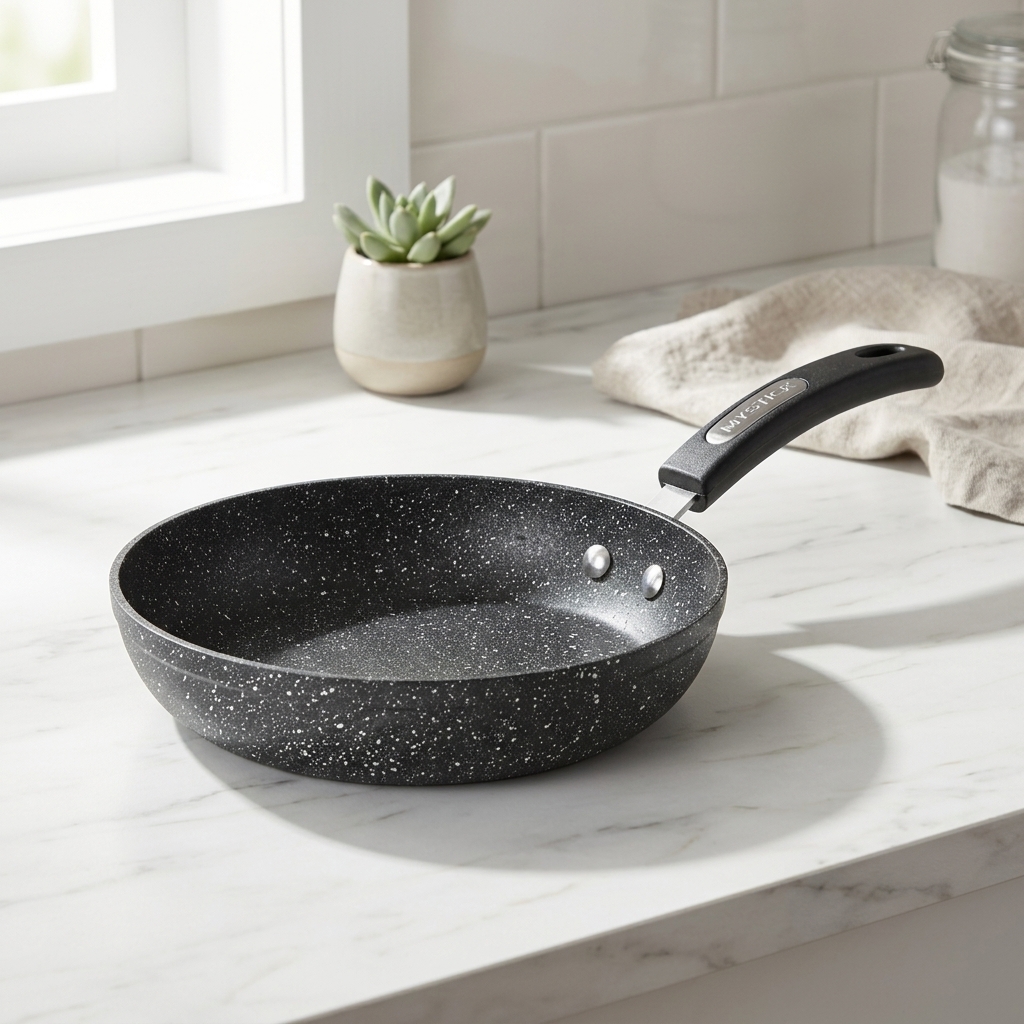
Eliminate intermediary margins and supply risks. Located in the core manufacturing hub of Jinhua, Zhejiang, our vertically integrated plant controls every critical step from blank stamping to final robotic packaging.
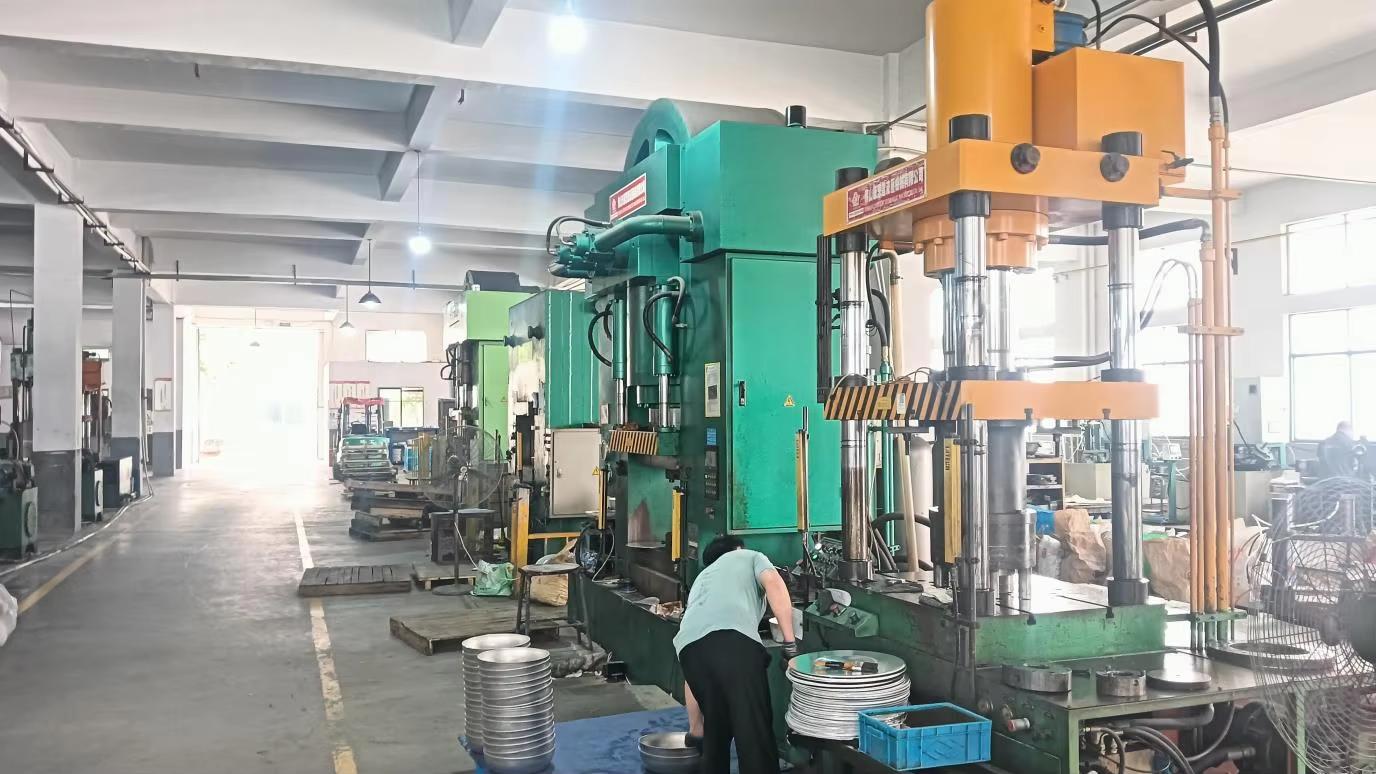
High-tonnage stamping ensuring structural density and uniform bottom thickness for warp resistance.
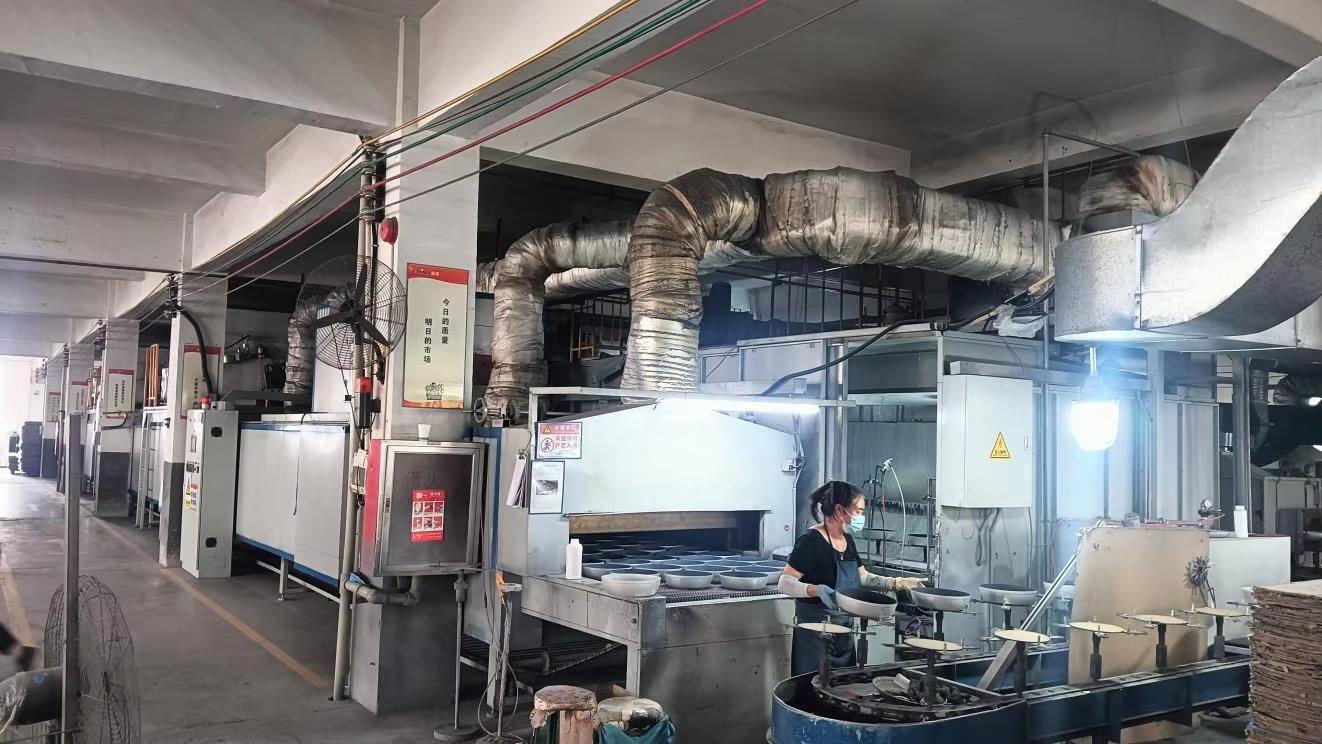
Controlled micron-thickness application of ceramic, granite, and PTFE systems in dust-controlled cleanrooms.
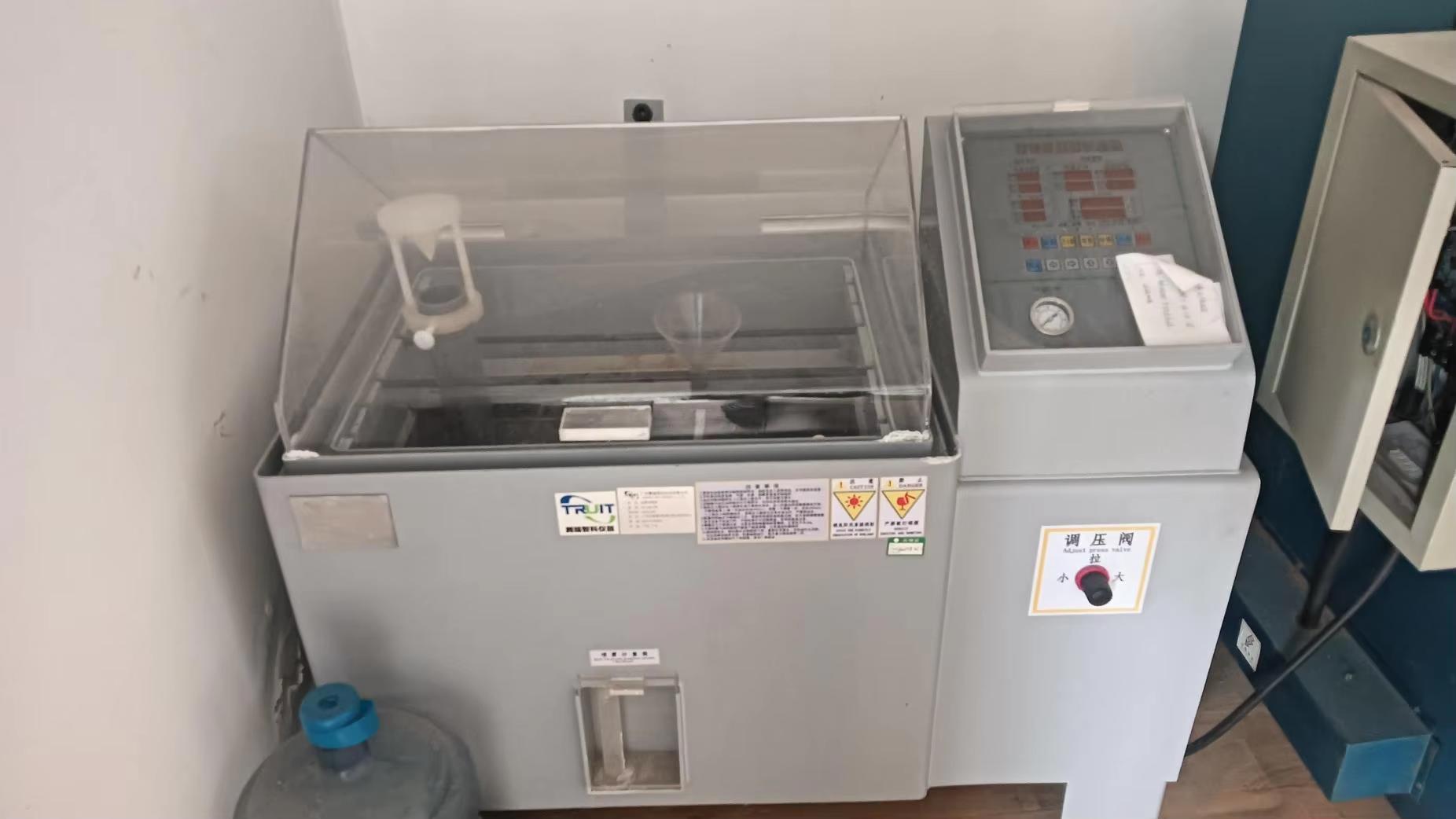
Accelerated saline fog chambers verifying nonstick seal integrity against acidic culinary ingredients.
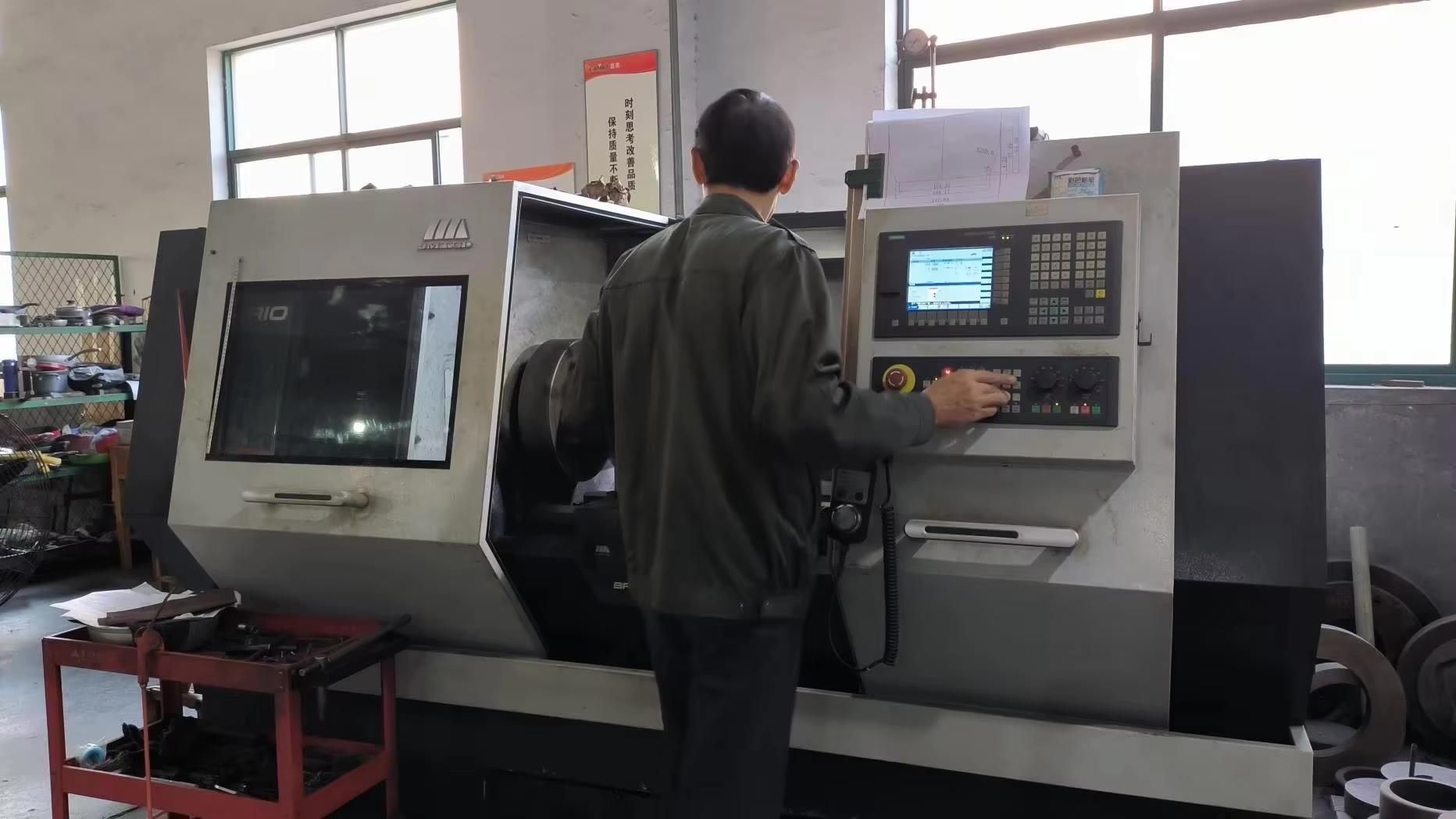
Rapid ODM design turnarounds, custom rim flanges, and bespoke handle bracket tooling in under 21 days.
The Italian culinary and professional hospitality (Ho.Re.Ca.) sectors maintain the most rigorous cookware specifications in the European Union. Sourcing commercial stock pots demands an intricate balance between heat dissipation rates, corrosion thresholds, and regulatory conformance.
Italian broth-making (brodo di carne) and simmering requires pots capable of sustained, gentle thermal conduction without localized scorching. Our engineered 3.5mm to 4.5mm cold-forged aluminum bases prevent hotspot concentration, distributing wattage seamlessly across modern induction magnetic fields.
Exporting to Milan, Bologna, or Naples demands full alignment with Italian Ministry of Health Decrees regarding food contact substances (MOCA). MEIS utilizes exclusively certified food-contact alloys (EN 601/602 aluminum grades) and verified non-leaching surface coatings that withstand acidic food simmering over hours.
Heavy salt concentrations introduced during pasta water boiling frequently cause microscopic pitting corrosion in low-tier aluminum pans. MEIS implements advanced multi-stage chemical degreasing, shot-peened physical adhesion, and cured fluoropolymer/ceramic seals that neutralize pitting degradation.
From commercial trattoria kitchens to retail home collections, stock pots must be calibrated to specific Italian cooking dynamics, structural weights, and regional hob types.
Traditional Italian stocks require 6 to 12 hours of uninterrupted simmering. Our deep-gauge stock pots feature reinforced, roll-formed flared rims that eliminate boiling spill-overs, accompanied by die-cast aluminum or heavy-gauge 304 stainless steel handles cold-riveted with hydraulic press locks to prevent looseness under 15kg wet loads.
Processing acidic San Marzano tomatoes directly degrades unprotected metal. MEIS equips its stock pots with reinforced mineral granite and ceramic interior coats formulated to withstand high acidity (pH < 3.5) at rolling boils without chemical leaching, coating blistering, or flavor contamination.
Modern commercial and residential kitchens across Northern Italy increasingly migrate to high-wattage induction surfaces. Our magnetic stainless steel bottom plates are applied via high-pressure hot-stamping (impact bonding), ensuring 100% flat surface contact without risk of debonding during thermal shocks.
Understanding shifting consumer values and regulatory updates enables OEM brand managers and purchasing directors to capture high-margin retail market share.
With tightening European Chemicals Agency (ECHA) scrutiny and rising eco-consciousness in Italy, demand for 100% PFAS-free, GenX-free ceramic matrixes has spiked by over 42% year-over-year. MEIS is at the forefront, offering sol-gel ceramic interiors that deliver exceptional nonstick properties alongside green consumer marketing credentials.
Italian households favor cookware with Mediterranean-inspired earthy palettes (terracotta, slate grey, sage olive) combined with space-saving stackability. Our detachable-handle systems and silicone-rimmed tempered glass lids allow seamless transition from active induction cooktop to formal dining table presentation.
Italian professional chefs are increasingly adopting nitrided carbon steel stock pots as lightweight, durable alternatives to cast iron. Naturally magnetic, virtually indestructible, and free from synthetic coatings, carbon steel pots are surging within modern bistros and professional culinary academies throughout Italy.
Practical answers addressing logistics, certifications, minimum quantities, and technical customization parameters.
Every production batch destined for Italy is audited against European Regulation (EC) No 1935/2004 and the Italian Ministerial Decree 21/03/1973. We provide certified laboratory test reports (via TÜV Rheinland / SGS) verifying global migration and specific migration of heavy metals (lead, cadmium, aluminum) into acidic food simulants.
For custom private label production (custom color, laser-etched branding, bespoke 4-color gift packaging), standard MOQ is 1,000 to 1,500 pieces per pot size. Standard mass production lead times run between 35 to 45 days post sample sign-off, with direct container shipping from Ningbo/Shanghai port to primary Italian maritime terminals.
Yes. Our in-house mold tooling, CNC milling, and hydraulic stamping lines allow us to engineer custom inner diameters, wall thicknesses (2.0mm to 5.0mm), and high-volume vertical heights tailored precisely to European GN gastronorm dimension tolerances and retail requirements.
Absolutely. We provide comprehensive graphic packaging support including FSC-certified recycled cardboard sleeves, rigid color gift boxes, localized barcode integration (EAN-13), Italian recycling label coding (Environmental Labeling D.Lgs 116/2020), and multi-lingual user manuals.
Zhejiang MEIS Kitchenware operates over 25,000 square meters of specialized manufacturing facilities. By maintaining in-house control over forming, degreasing, robotic coating, and fatigue inspection, we eliminate defect variances before packaging.
Equipped with high-precision CNC equipment, precision lathes, and die-casting matrices. This internal tooling capability reduces rapid prototype sampling to just 10-14 days, cutting your brand's development cycles by more than half compared to trading brokers.
Coating delamination stems from poor surface prep. We apply an automated multi-stage chemical wash accompanied by fine-grain shot blasting. This creates a microscopic mechanical anchoring pattern that guarantees maximum adhesion of nonstick matrices under continuous thermal cycling.
In our ISO-standard testing lab, batch samples are subjected to handle fatigue oscillation tests, handle torsion load torque testing (up to 20Nm), and cross-hatch coating adhesion checks to guarantee that every pot survives grueling freight and high-volume kitchen abuse.