Curated OEM/ODM Cookware Catalog for Colón Trade Hub
High-demand pressed aluminum, forged aluminum, and nitrided carbon steel cookware tailored for Colón Free Zone (Zona Libre de Colón) re-exportation and local Latin American markets.
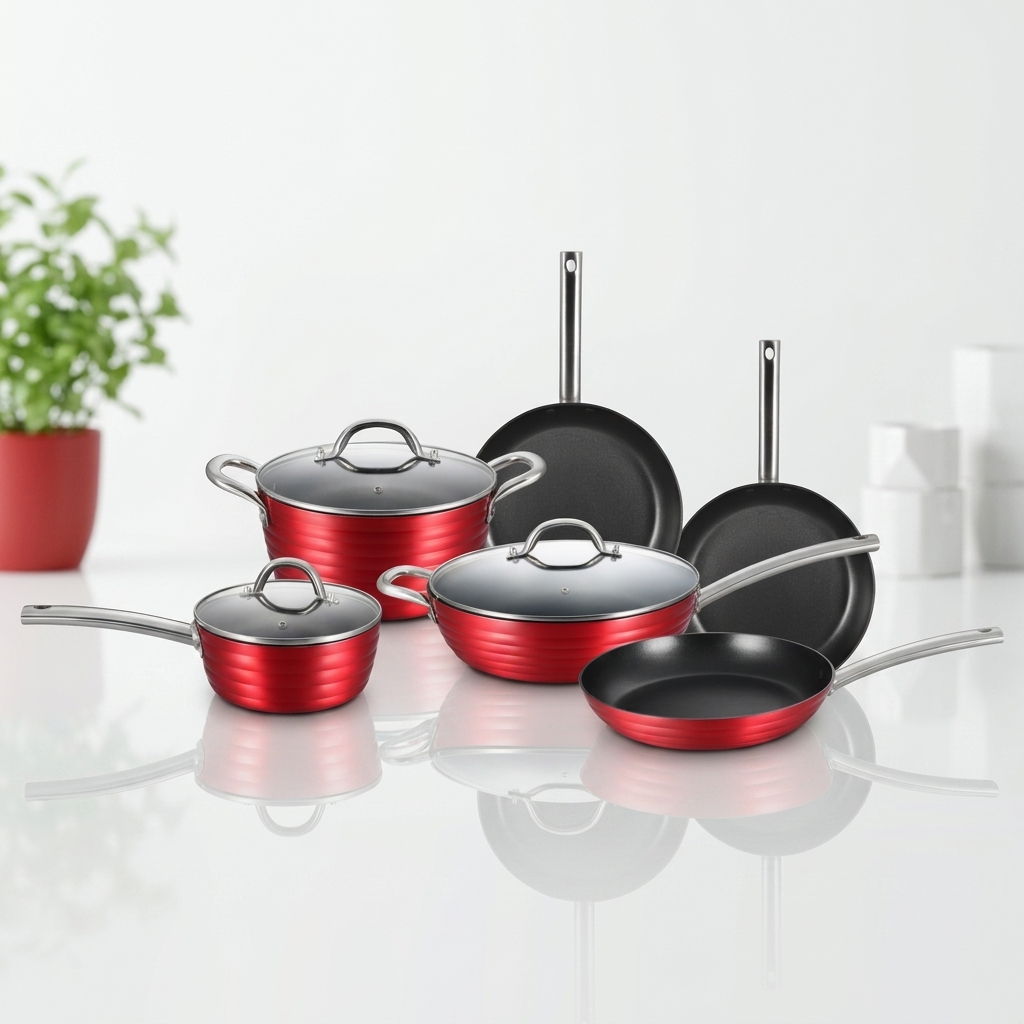
Kitchenware Set 9 Piece Non Stick Cookware Pot Set Metallic Red Outside S/S Handle Induction Bottom
- Heavy-Duty Induction Bottom
- Ergonomic Stainless Steel Handles
- Heat-Resistant Metallic Red Coating
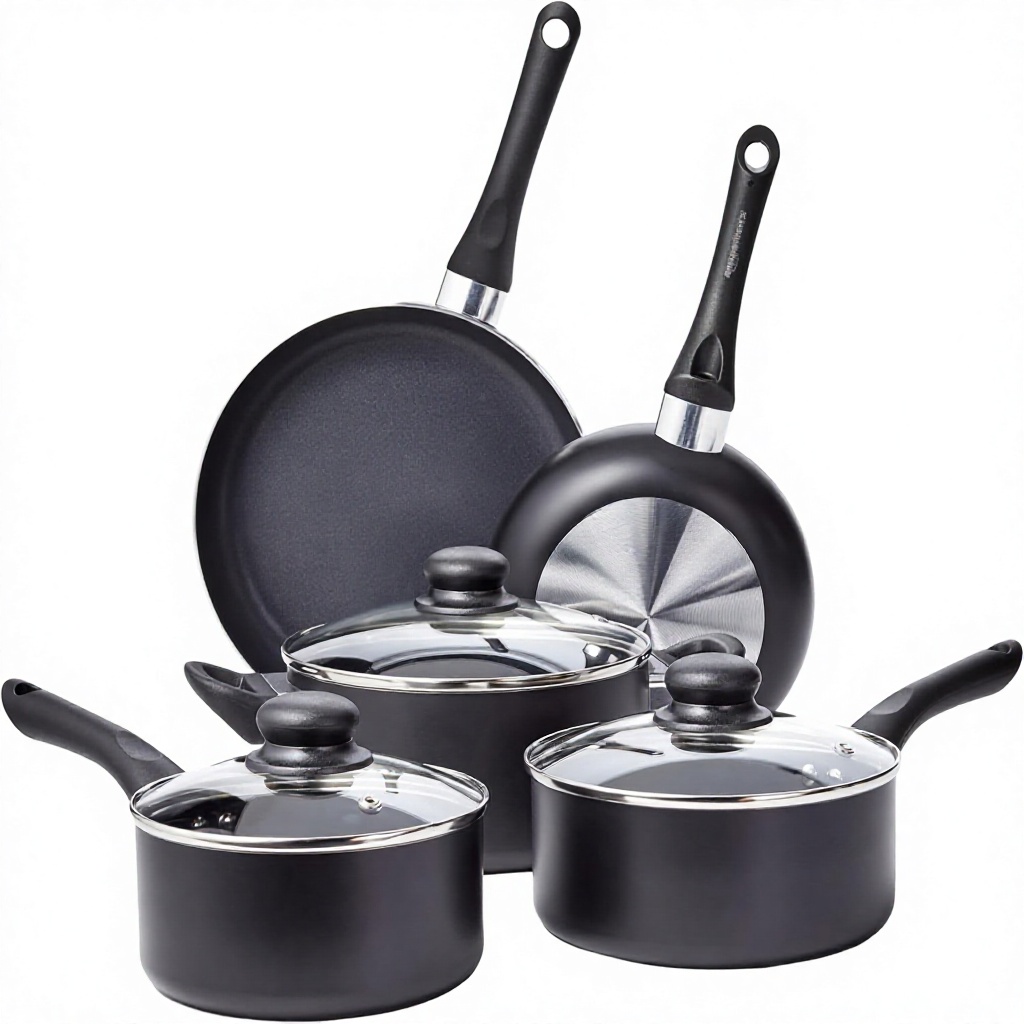
Basics Aluminum Ceramic Non-Stick 8-Piece Cookware Set with Gas & Induction Ready Pots Pans Plastic Hand Grip Pot Cover Black
- PFOA/PTFE-Free Ceramic Coating
- Dual Gas & Induction Compatibility
- Thermal Insulated Soft-Grip Handles
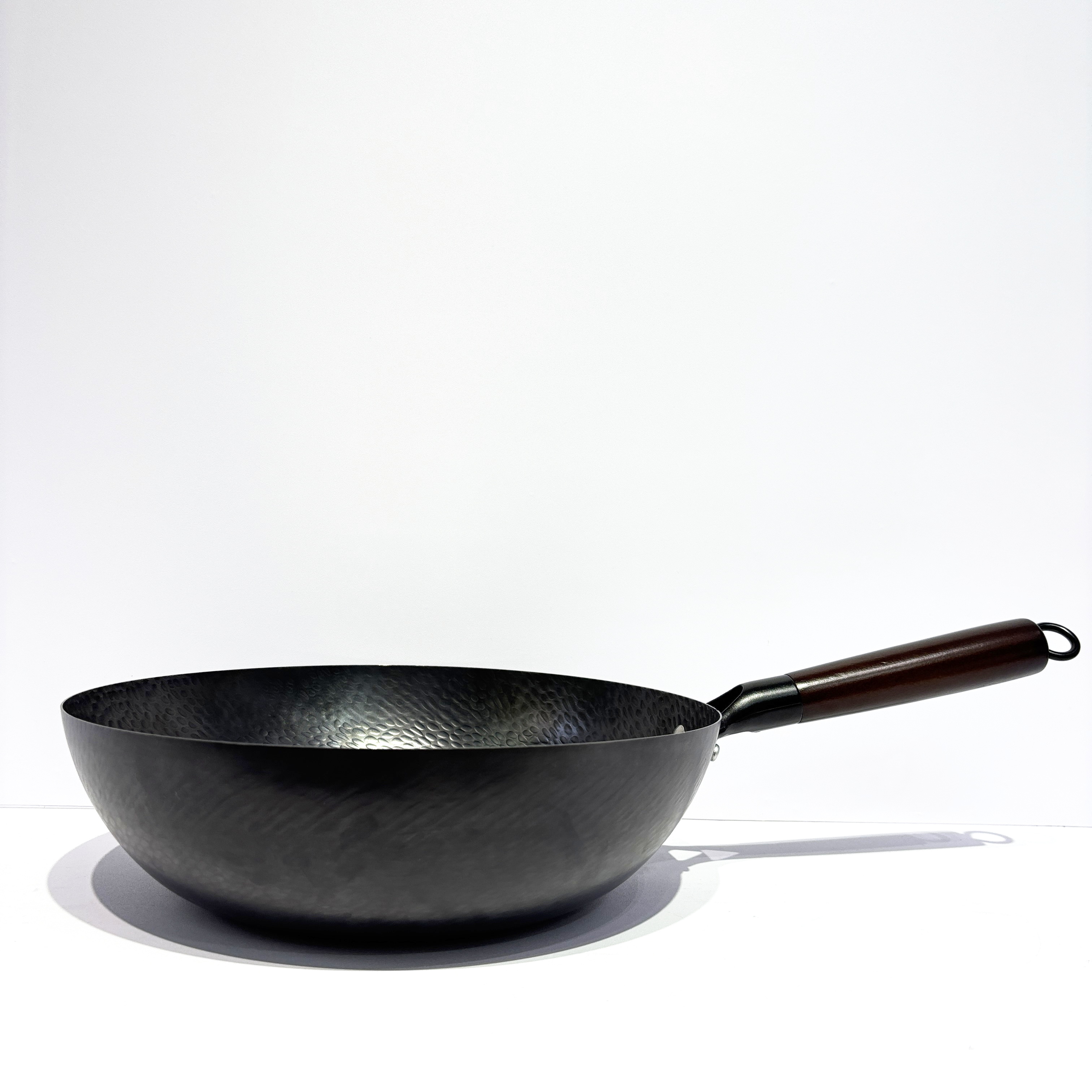
CAMRY Customized Logo No Coating Nitrided Nonstick Hammered Carbon Steel Wok Wooden Handle 2-3L Capacity Gas Induction
- Chemical-Free Nitriding Anti-Rust
- Hand-Hammered Structural Durability
- High-Heat Sear Capacity (2-3L)
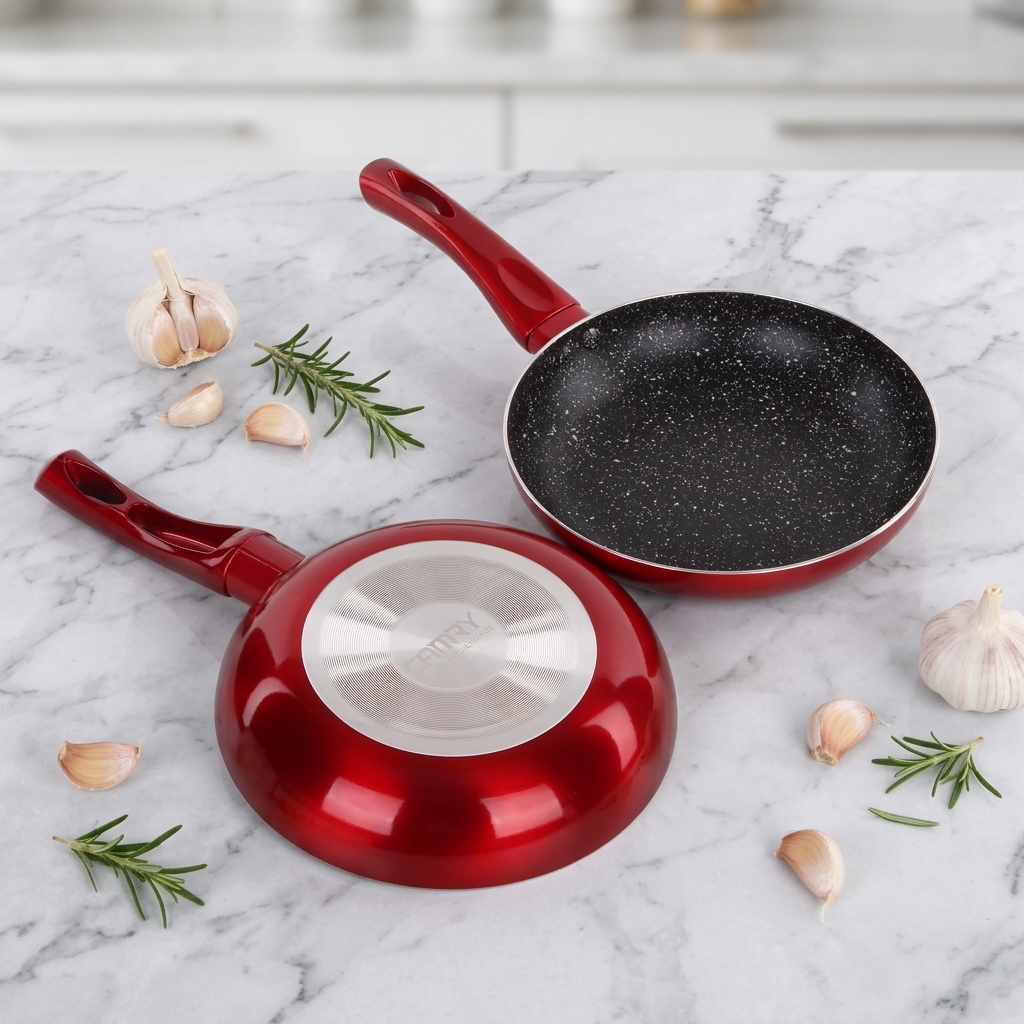
Hot Sale Durable 30 cm PFOA-free Non-Stick Pressed Frying Pan Glass Cover Heat-Resistant Handle for Household Restaurant Cooking
- Large 30cm Commercial Gauge Surface
- Tempered Explosion-Proof Glass Lid
- Eco-Certified 100% PFOA-Free Coating
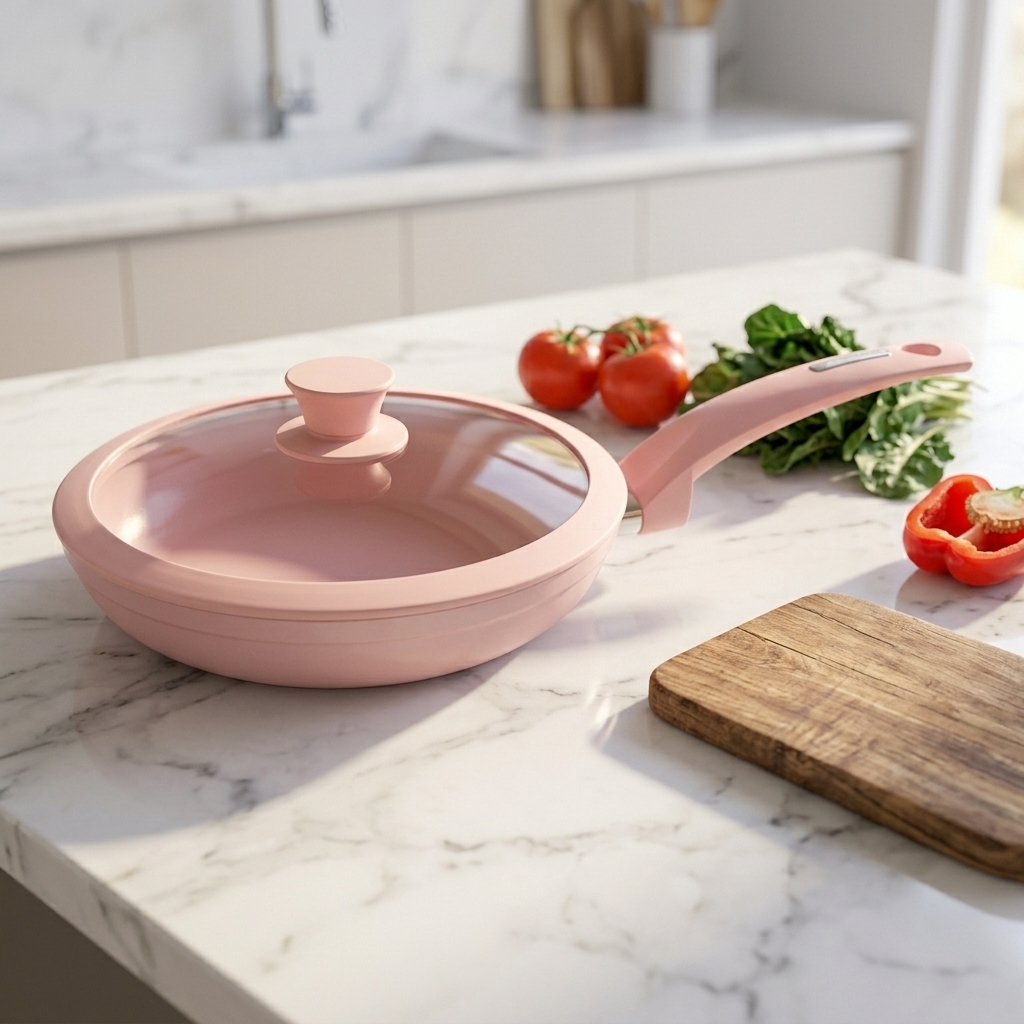
Factory Price Customized Colorful 22 cm Forged Aluminium Non-Stick Fry Pan with Glass Cover Durable for All Heat Sources
- Die-Forged High Energy Diffusion Base
- Anti-Warping Thick Wall Architecture
- Custom Color Customization Option
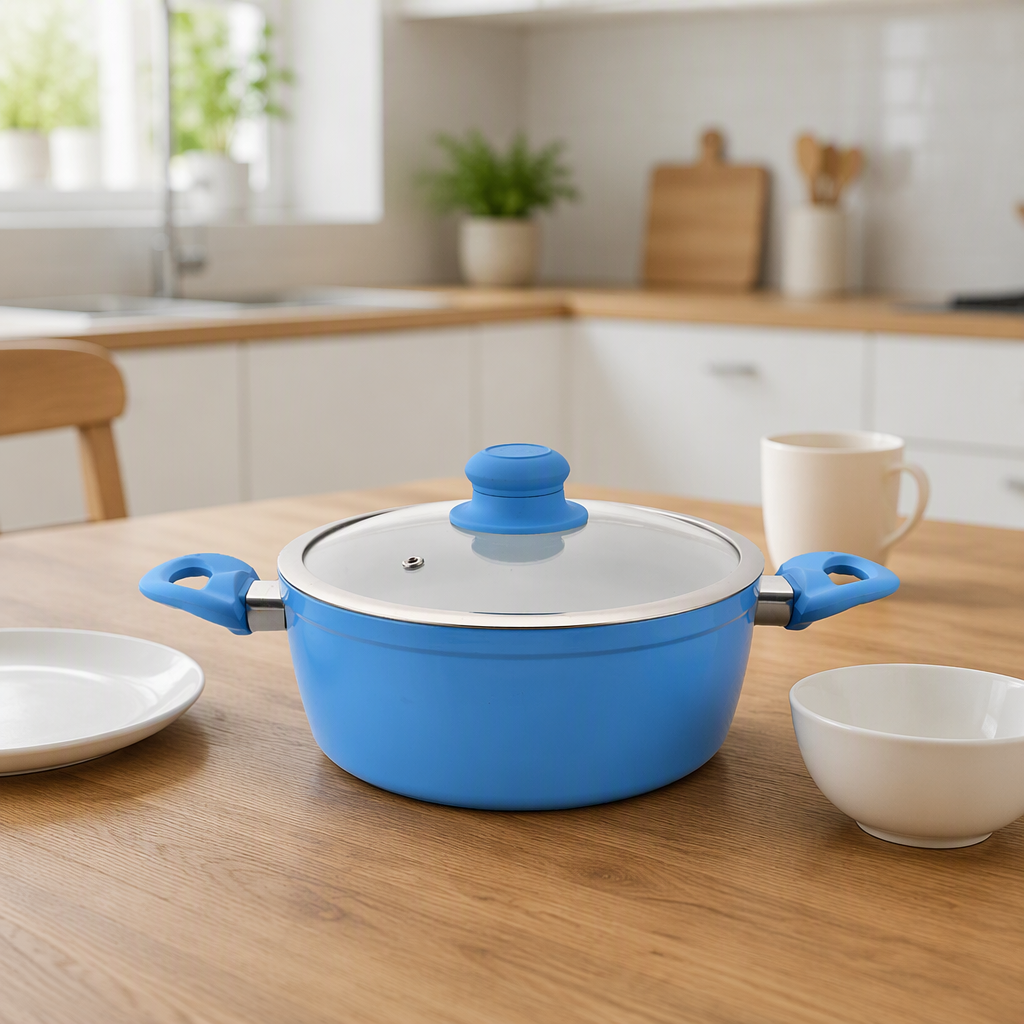
24 cm Durable and Lightweight Forged Non Stick Casserole Soup Pot with Bakelite Handle and Glass Lid for All Heat Sources
- Lightweight Deep Casserole Geometry
- Heat-Isolated Bakelite Side Handles
- Universal Heat Source Compatibility
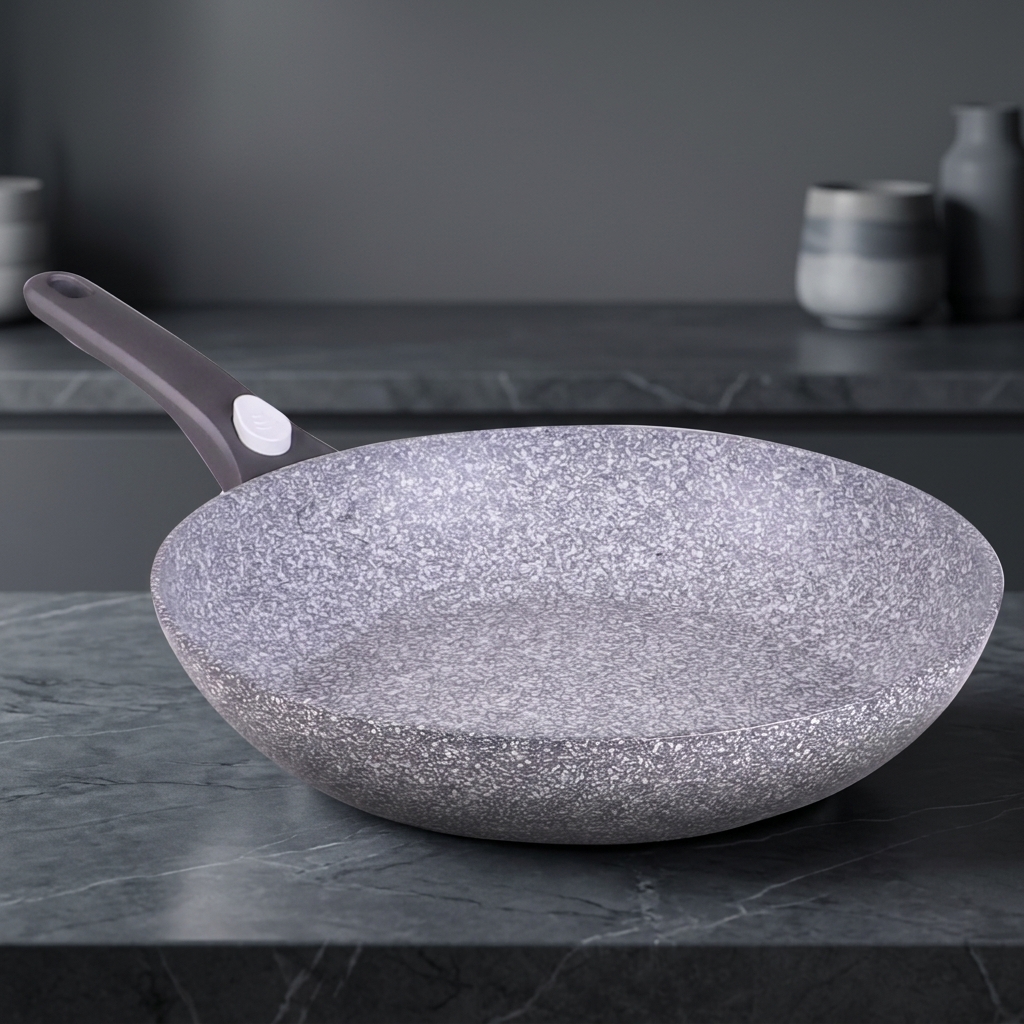
Granite Coating Non-Stick 9 Inch 24cm Forged Aluminum Fry Pan with Detachable Handle Soft Touch Coating Induction Ready
- Space-Saving Quick Release Handle
- Scratch-Resistant Granite Speckle Coating
- Container CBM Freight Optimization
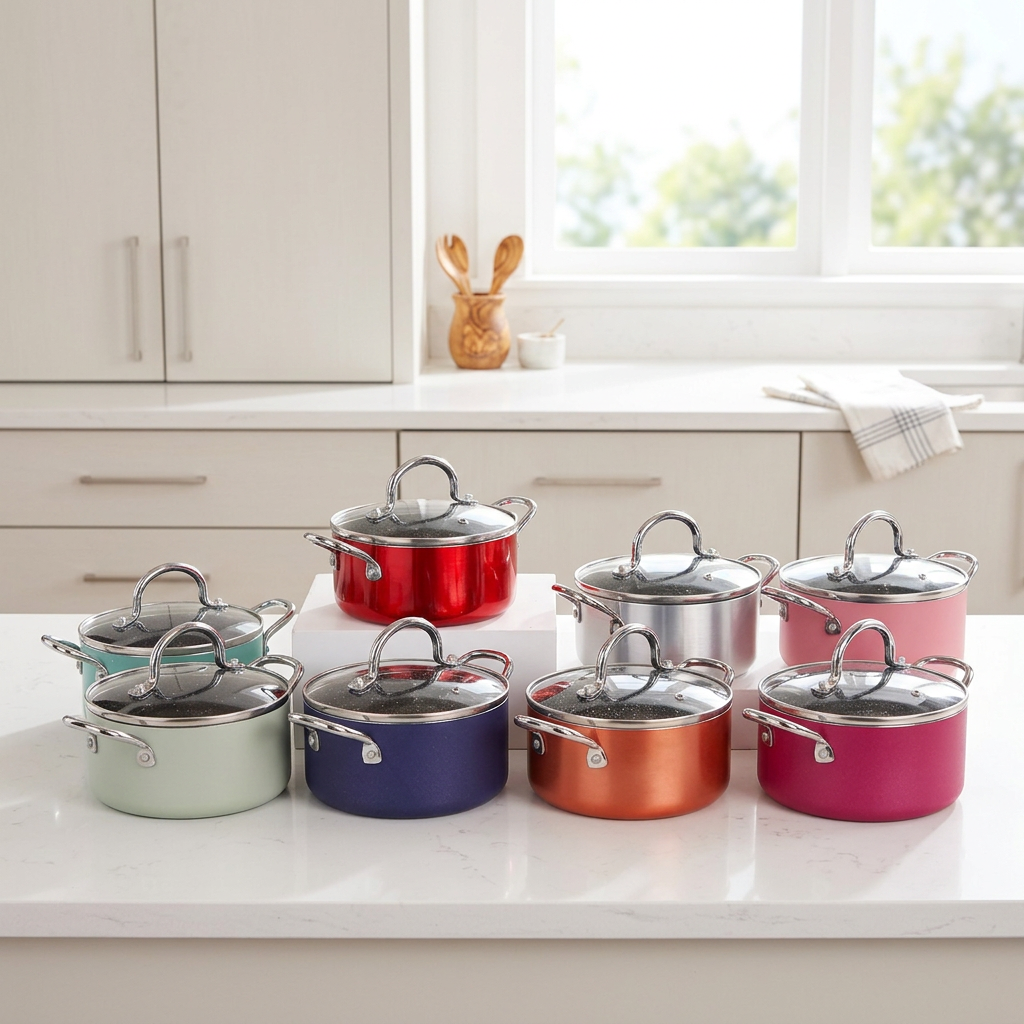
14cm Mini Sauce Pan with Glass Lid Colorful Non Stick Cookware for Induction and Gas Stoves Home Kitchen Use
- Compact Single-Serve 14cm Profile
- High Density Induction Bottom Disc
- Vibrant Heat-Resistant Outer Finish
Industry Whitepaper: Aluminum Cookware Supply & Redistribution in the Colón Market
The city of Colón, positioned strategically at the Atlantic entrance of the Panama Canal, serves as the premier logistical epicenter for consumer goods distribution across Central America, Northern South America, and the Caribbean basin. At the heart of this trade node is the Zona Libre de Colón (ZLC)—the largest free trade zone in the Western Hemisphere. For global B2B procurement managers, sourcing nonstick aluminum skillets and cookware sets through verified original equipment manufacturers (OEMs) capable of serving the Colón trade corridor demands a nuanced understanding of local metallurgical standards, trade logistics, and culinary application requirements.
Cookware imported into the Colón Free Zone is frequently re-exported to markets such as Colombia, Costa Rica, Honduras, the Dominican Republic, and Venezuela. Therefore, product lines must satisfy multi-jurisdictional compliance standards (FDA, LFGB, REACH) while offering modular packaging designed for high cube efficiency (CBM) in intermodal container shipping.
Maritime Climate & Anti-Corrosion Engineering
The tropical maritime environment of Panama features relative humidity levels averaging above 85% and elevated atmospheric salt concentrations. Aluminum skillets stored in regional port warehouses are vulnerable to galvanic corrosion and coating delamination if raw materials lack high-grade anodization or robust exterior thermosetting spray coats. Premium suppliers utilize 3003-series alloy and multi-pass fluoropolymer or ceramic matrices to resist salt-mist degradation during transit and storage.
Culinary Thermal Requirements in Regional Latin Cuisine
Traditional cooking in the Panamanian and broader Caribbean markets involves high-heat pan frying, oil searing (e.g., patacones, fried red snapper, chicharrón), and prolonged rice simmering (Arroz con Guandú). Skillets designed for this region must possess superior thermal mass diffusion to prevent central hot-spots that degrade PTFE coatings, combined with mechanical handle connections capable of enduring heavy lateral wrist torque during rapid tossing.
Technical Benchmark: Aluminum Metallurgy & Coating Coating Science
Achieving a competitive edge in the Colón wholesale market requires understanding the trade-offs between pressed aluminum, die-forged aluminum, and nitrided carbon steel. The following technical analysis outlines key physical and manufacturing parameters essential for volume importers.
| Evaluation Parameter | Pressed Aluminum Skillets | Forged Aluminum Skillets | Nitrided Carbon Steel Woks/Pans |
|---|---|---|---|
| Primary Alloy / Composition | 1050 / 3003 Sheet Aluminum | 3003 / 4006 Heavy Die-Forged Disc | Low-Carbon Cold-Rolled Steel Sheet |
| Wall Thickness Range | 1.8mm – 2.8mm Uniform | 2.5mm Rim / 4.0mm – 5.0mm Base | 1.2mm – 2.0mm Heavy Gauge |
| Structural Resistance to Warping | Moderate (Ideal for household gas) | Superior (High resistance on induction) | High Structural Rigidity |
| Coating Adhesion System | 2-Layer PTFE / Sol-Gel Ceramic | 3-Layer PTFE Granite / Marble Speckle | High-Temp Thermo-Chemical Nitriding |
| Induction Efficiency | Stamped Stainless Steel Plate (Impact Bonded) | Hole-Patterned / Full-Bound Induction Base | 100% Natural Ferromagnetic Transfer |
| Target Retail Price Band | Volume Supermarket / Promotional Sets | Mid-to-Premium Department Store / Brand | Specialty Commercial / Asian Culinary |
Coating Tribology: Sol-Gel Ceramic vs. PTFE Granite Nonstick Systems
When selecting nonstick skillets for re-export through Colón, buyers must balance consumer health preferences against mechanical wear resistance. Modern cookware production leverages two primary coating architectures:
1. Sol-Gel Inorganic Ceramic Coatings
Formulated via a silicon dioxide (SiO2) network, ceramic coatings offer complete elimination of PFOA, PFAS, PTFE, cadmium, and lead. They withstand extreme temperatures up to 450°C without thermal degradation, making them an attractive marketing feature for eco-conscious urban demographics in Panama City and San José.
2. Reinforced Granite & Marble PTFE Fluoropolymer Systems
Multi-layer PTFE systems reinforced with titanium or mineral particles (granite/marble speckle) deliver superior release longevity under oil-heavy cooking conditions. The abrasion resistance (measured via ASTM D2794 scratch testing) exceeds 20,000 continuous cycles, ensuring prolonged commercial utility for food-service buyers.
Factory Verification & Enterprise Capability Analysis
Selecting an aluminum skillet exporter requires stringent verification of manufacturing depth, quality control procedures, and export capacity. Located in the Dongnan Industrial Zone, Jinhua, Zhejiang, Zhejiang MEIS Kitchenware Co., Ltd. stands as a premier direct manufacturer certified on-site by TÜV Rheinland.
20 Years Manufacturing Infrastructure
Operating across automated pressing, CNC rim trimming, high-speed automated spray coating lines, and assembly workshops staffed by 105 skilled technicians. In-house mold-making lathes and CNC equipment significantly shorten new product development timelines from 60 days down to 15 days.
Comprehensive On-Site Laboratory Testing
Every batch undergoes rigorous quality validation prior to dispatch, including salt spray corrosion testing (ISO 9227), handle fatigue cycles under 10kg dynamic load, handle torsion torque testing, coating cross-hatch adhesion tests, and thermal shock resistance testing.
Customized OEM/ODM for Colón Trade Hubs
Extensive experience in private-label packaging engineering, bilingual Spanish/English master cartons, barcode integration for Latin retail chains, and container loading density maximization (detachable handles yielding up to 40% higher unit counts per 40HQ container).
Localized Application Scenarios & Market Dynamics in Central America
Cookware distributed through the Colón Free Zone serves distinct commercial and domestic end-user segments across Panama, Central America, and the Caribbean islands. Aligning product specifications with these localized use cases ensures rapid inventory turnover and minimizes return rates.
1. High-Efficiency Hospitality & Foodservice Sourcing
Restaurants, coastal resorts, and street food operators across Panama City, Colón, and David require large-diameter (28cm–32cm) pressed or forged aluminum skillets. Key requirements include:
- Reinforced rivet handle attachments capable of supporting continuous commercial movement.
- Stainless steel hollow handles or thick silicone sleeves that stay cool on high-Btu gas flames.
- Nitrided heavy-gauge carbon steel woks for rapid stir-frying in urban fusion dining establishments.
2. Retail & Supermarket Mass-Market Programs
Mass retailers distributing through Colón focus heavily on cost-per-unit metrics, high visual shelf appeal, and versatile multi-piece cookware sets. Trends driving this segment include:
- Vibrant exterior silicone-polyester finishes (metallic red, rose gold, pastel pink, sleek matte black).
- 8-piece to 28-piece complete kitchen combo sets containing fry pans, saucepans, and casseroles.
- Color-matched soft-touch bakelite handles with simulated wood-grain transfers.
With ocean freight volatility impacting long-distance transit from Asian manufacturing centers to Colón, cookware sets utilizing patented click-lock detachable handles have grown by over 35% year-over-year. By removing fixed handles during packing, nested skillet bodies reduce overall master carton volume by up to 45%, providing massive landed-cost savings for importers.
Frequently Asked Questions for Colón Importers & Distributors
Expert responses addressing technical procurement, customs compliance, and supply chain logistics for cookware trade through Panama.
What are the key custom regulatory standards for cookware imported into the Colón Free Zone?
How does forged aluminum compare to pressed aluminum for coastal markets like Colón?
What Minimum Order Quantities (MOQs) apply for private-label customization?
How is container packaging optimized to prevent salt-air damage during transit across the Panama Canal?
Are your aluminum skillets suitable for induction cooktops used in modern Panama City apartments?
Partner with a TÜV-Verified Nonstick Cookware Factory
Expand your distribution network in the Colón Free Zone and Latin American markets with high-performance pressed aluminum, forged granite, and nitrided carbon steel cookware built to your exact OEM specifications.