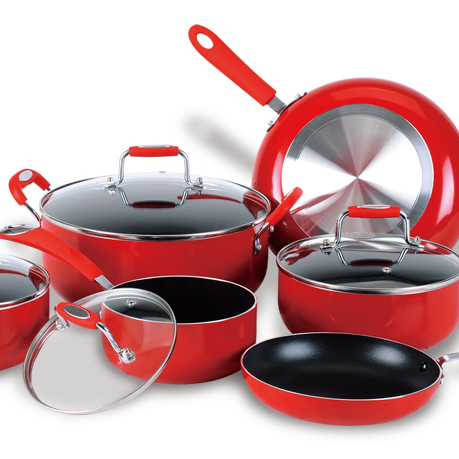
20+
Years Manufacturing Prowess
100%
Naturally Magnetic Induction
TÜV
Rheinland On-Site Assessed
>50%
Thermal Ramp Speed vs Cast Iron
Engineered For Culinary Rigor
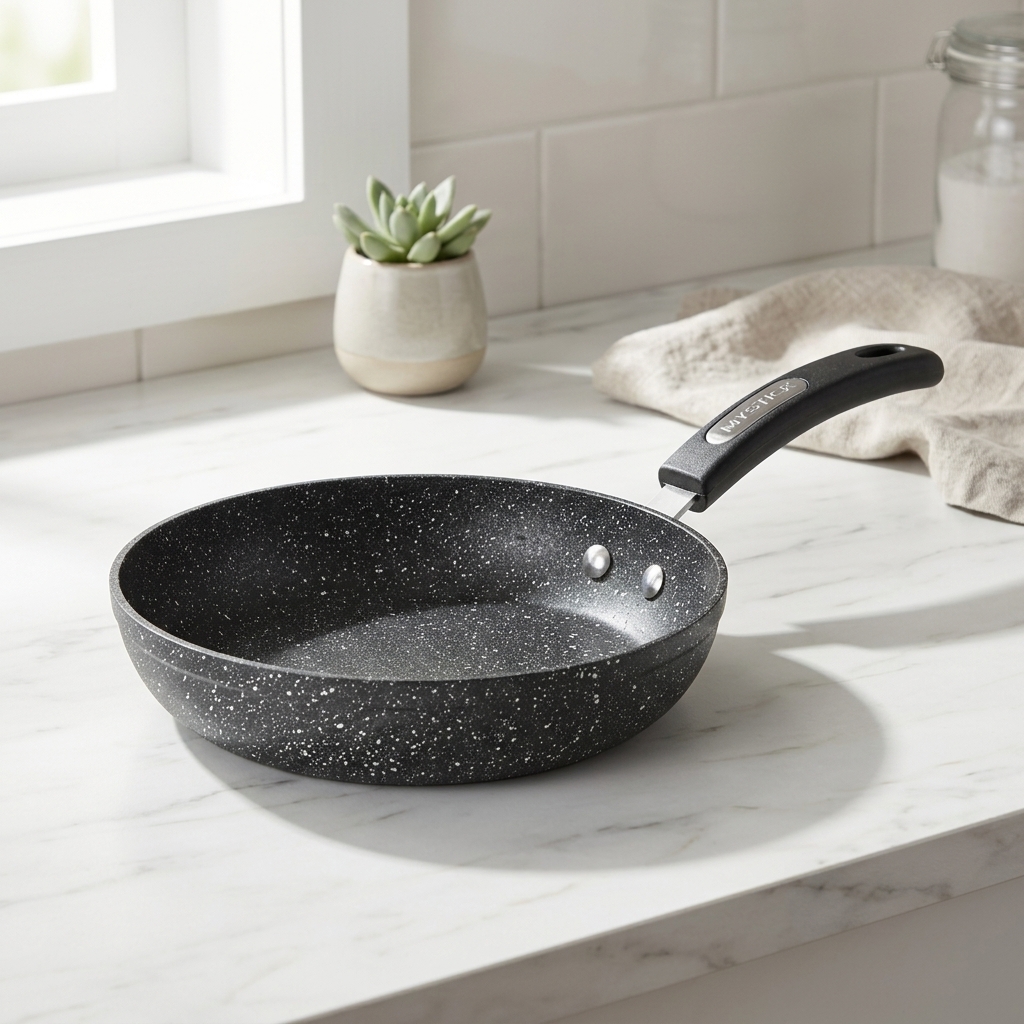
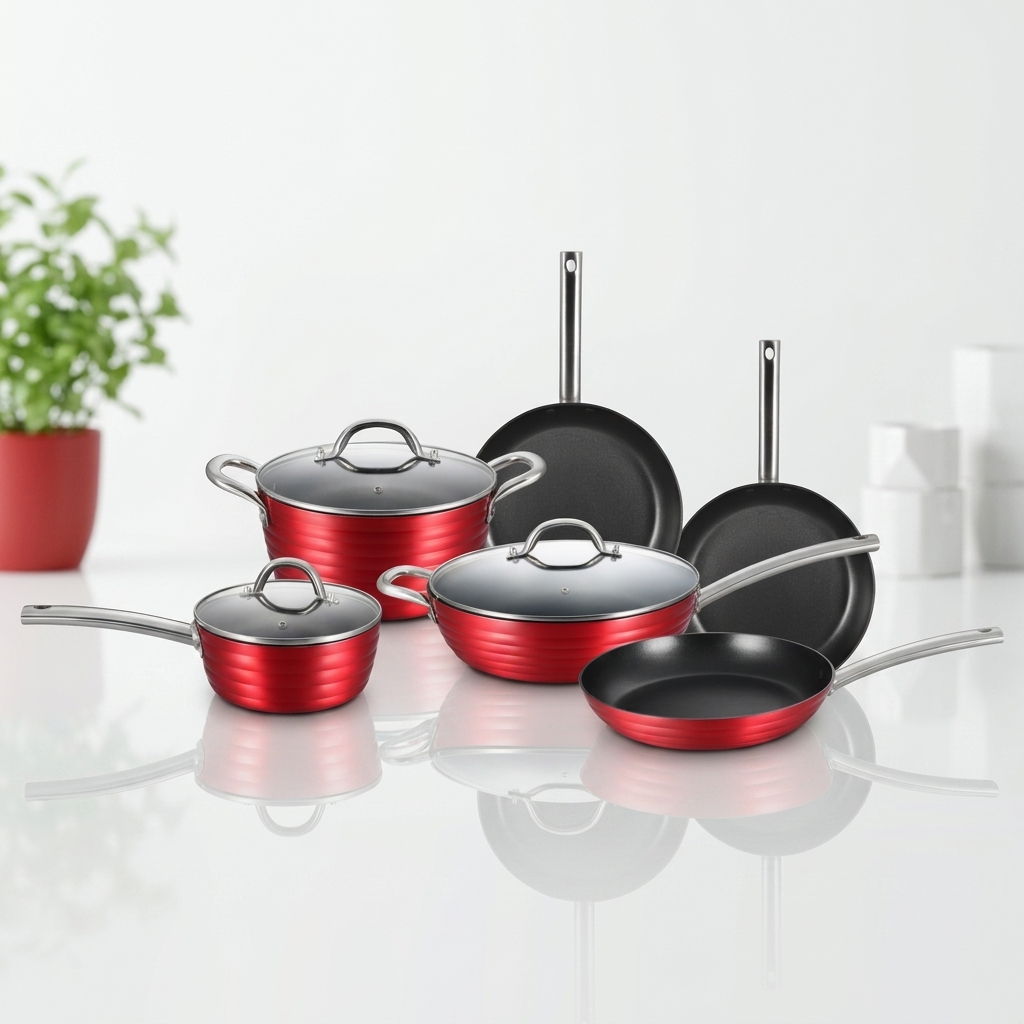
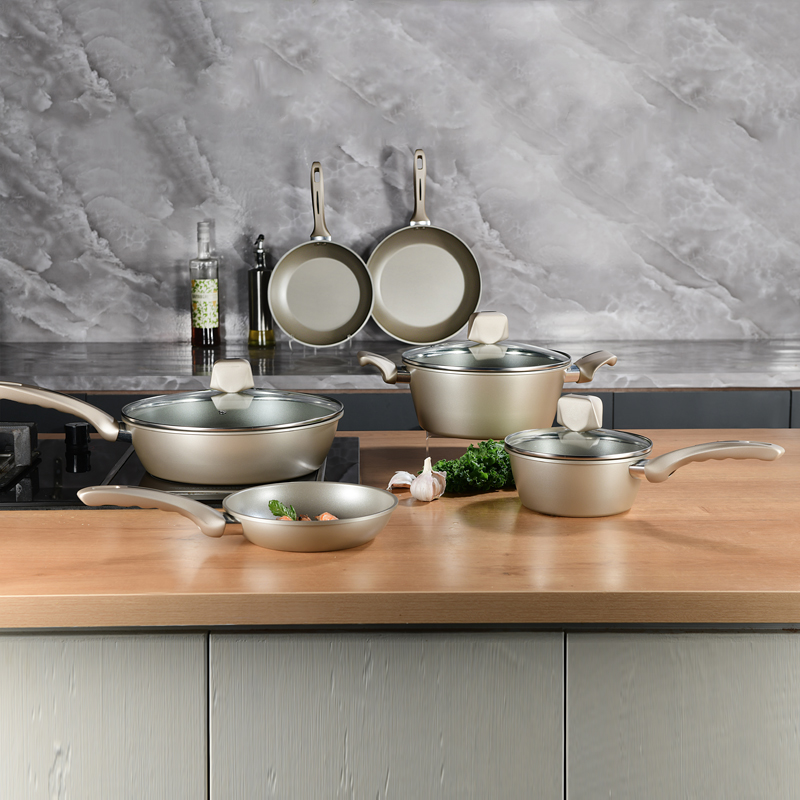
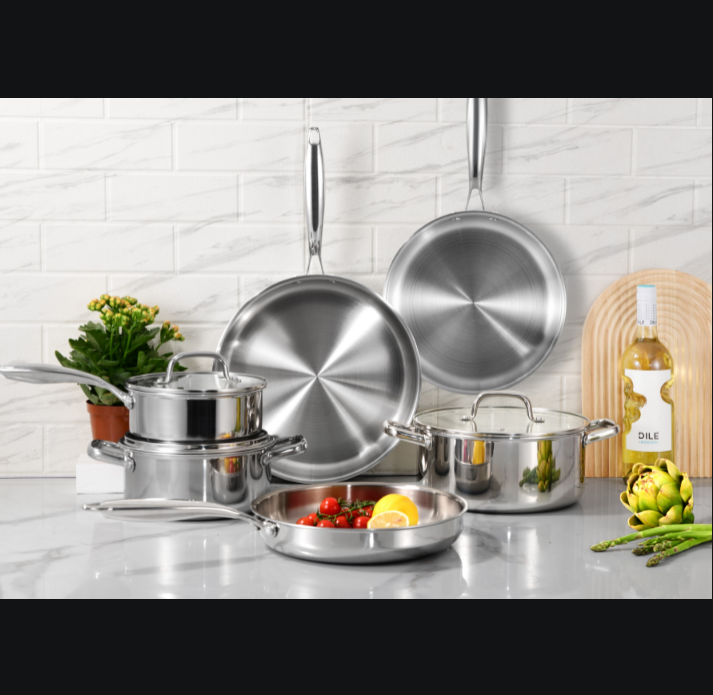
Core Commercial & Retail Cookware Selections
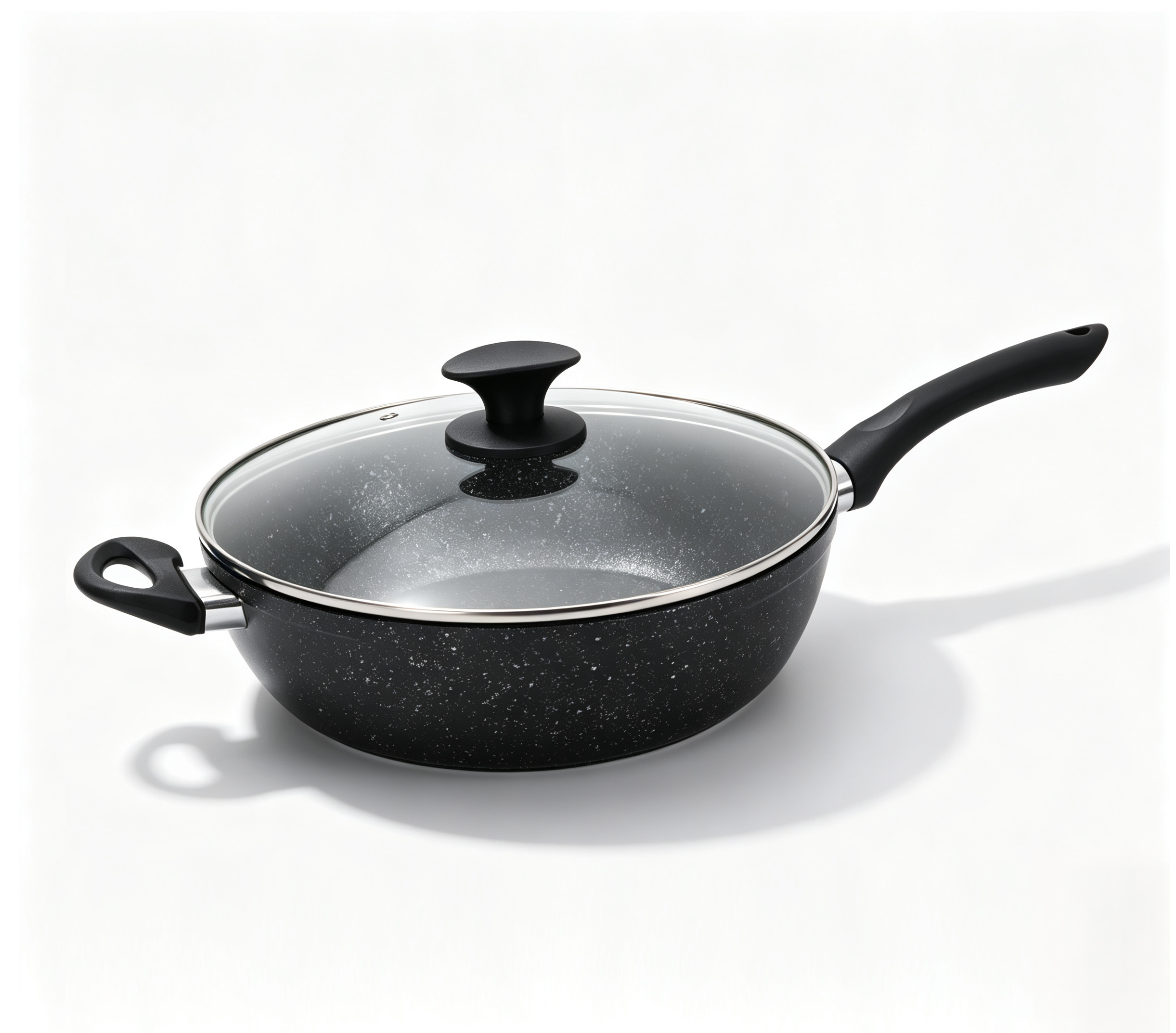
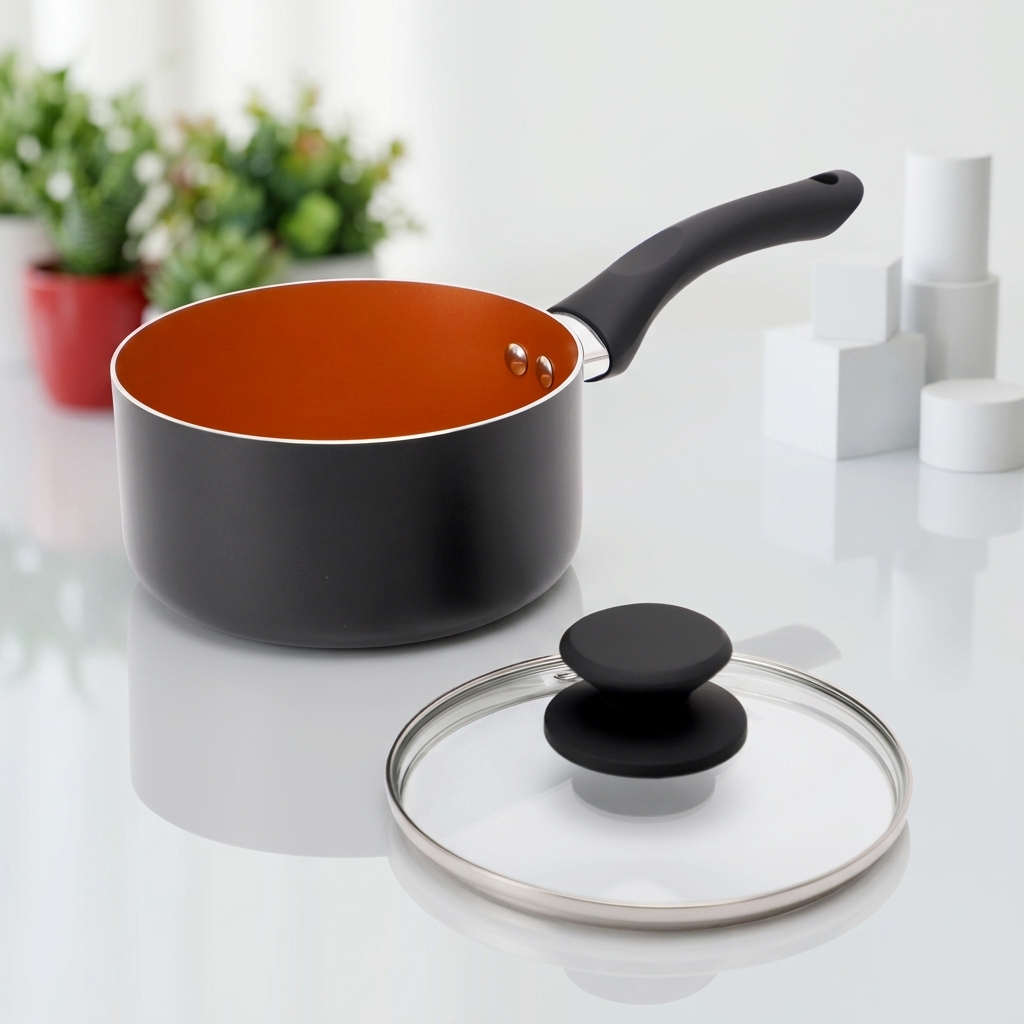
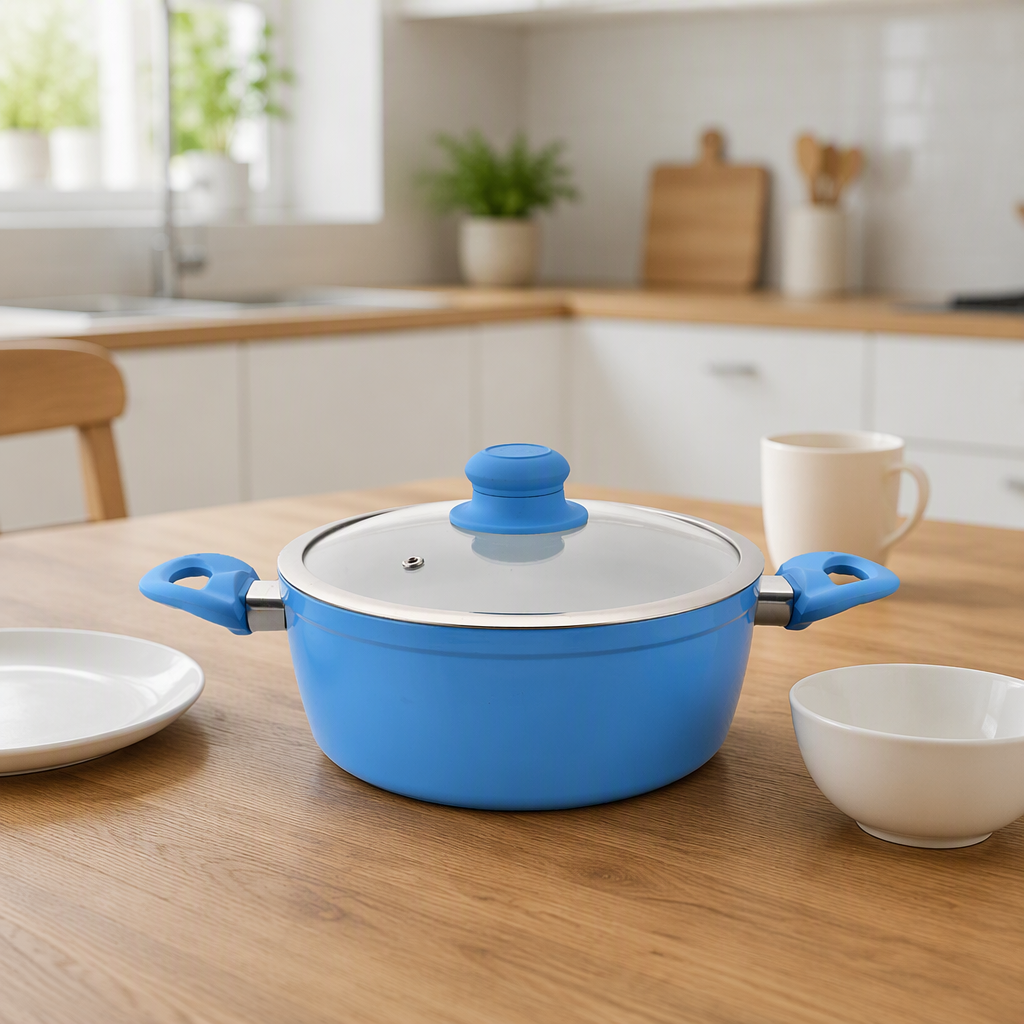
Tested under rigorous restaurant kitchen throughput and tailored for European culinary distribution standards.
Regional Culinary Context
Why Heavy-Gauge Carbon Steel Dominates the Seville Gastronomic Sector
The culinary ecosystem of Seville, anchored by iconic gastronomic quarters such as Triana, Alameda de Hércules, and the historic Santa Cruz, places rigorous thermal demands on cookware that lightweight aluminum or fragile non-stick pans simply cannot sustain. With hundreds of bustling tapas establishments operating continuous service through long Andalusian afternoons and late evenings, commercial kitchens require high-conductivity, warpage-resistant fry pans that bridge the performance gap between traditional cast iron and modern high-speed cookery.
In traditional Sevillian preparation, the sear temperature is paramount. Dishes like Solomillo al Whisky require rapid, high-surface-temperature caramelization to seal in juices without overcooking the tender pork medallion. Similarly, searing Atlantic caught seafood for Gambas al Ajillo or searing Choco Frito requires pans that sustain thermal equilibrium when cold cuts are dropped onto the cooking surface. Heavy-gauge carbon steel pans from MEIS Kitchenware deliver instantaneous responsiveness to gas flame modulation and immediate induction couple efficiency, completely mitigating the sudden temperature drops that lead to boiled, rather than seared, culinary output.
Tapas Turnaround Speed
Sevillian gastro-bars experience rapid ticket churn. Carbon steel heats in under half the time of cast iron, ensuring immediate plate production during peak lunch and dinner rushes.
High-Heat Maillard Sealing
Reaching beyond 230°C without risk of synthetic PTFE coating degradation, allowing perfect caramelization for Iberian pork loins and localized plancha cooking.
Ergonomic Handling
Weighing up to 40% less than equivalent diameter cast iron skillets, our carbon steel fry pans substantially reduce kitchen staff wrist and arm fatigue across 8-hour shifts.
Market Dynamics & Trends
Commercial Kitchen Trends Shaping Cookware Procurement in Southern Spain
Purchasing directors for hotel chains, catering groups, and hospitality equipment distributors in Seville (operating under the Canal HORECA) are reassessing their kitchen hardware portfolios in response to structural shifts in energy costs, hygiene legislation, and equipment electrification.
| Market Driver | Traditional Approach | MEIS Carbon Steel Solution | Advantage for Seville Buyers |
|---|---|---|---|
| Kitchen Electrification | Conventional Gas burners | 100% Ferrous molecular structure | Zero energy loss on commercial induction zones; lower HVAC air-conditioning overhead in Seville's extreme summers. |
| Coating Durability | Fragile spray-on PTFE | Hardened Titanium / High-Temp Pre-seasoned | Immunity to metal utensil scratching during busy bar service; eliminates annual pan disposal costs. |
| EU Chemical Compliance | Ambiguous compliance records | Certified PFOA/PFAS-free options | Guaranteed passage of Spanish sanitary inspections (AESAN / EU 1935/2004 frameworks). |
| Supply Stability | Spot-buying via local jobbers | Direct OEM factory volume manufacturing | 25-35% margin savings, uniform handle ergonomics, and customizable private label packaging. |
A notable secondary driver is Southern Spain’s intense summer climate. Kitchens in Seville frequently battle ambient temperatures exceeding 42°C. Modern establishments are actively eliminating atmospheric gas flame throwers in favor of precise induction cooktops. Carbon steel, possessing an intrinsically magnetic profile without the necessity of bonded steel sandwich plates, stands as the most thermally responsive substrate available for high-load induction cooking.
Factory Direct Capability
Why Tier-1 Spanish Importers Partner with MEIS Kitchenware
Direct manufacturing transparency backed by on-site TÜV Rheinland verification, eliminating trading intermediaries.
Integrated Industrial Base
Situated in the heart of Jinhua's hardware belt, our dedicated facility encompasses heavy automated hydraulic stamping presses, CNC trimming stations, and automatic surface cleaning units.
TÜV Rheinland Audited
Full production traceability from primary steel coils to boxed pallets. Rigorous factory audits confirm verified working conditions, environmental discharge controls, and structural QA workflows.
In-House Testing Laboratory
Every commercial batch is screened with handle fatigue testers, rivet torsion apparatus, thrust sensors, and continuous salt-spray chambers to assure zero delamination and anti-corrosion endurance.
Procurement Clarifications
Frequently Asked Questions for Seville Importers
Direct technical answers addressing customs, food-grade standards, and bulk logistics.
Q: Do your carbon steel fry pans comply with EU 1935/2004 and Spanish sanitarios?
Yes. All export cookware shipped to Spain conforms rigorously to Regulation (EC) No 1935/2004, LFGB, and Spanish Royal Decree 847/2011. Testing certifications for heavy metal leaching (lead, cadmium, arsenic) are verifiable per production lot.
Q: What is the standard lead time and container shipping route to Seville?
Mass production generally requires 35–45 days post-deposit and artwork sign-off. Maritime freight is routed from Ningbo or Shanghai port directly to the Port of Algeciras or the Port of Valencia, followed by inland multimodal rail/truck transit directly into Seville logistics hubs within 28–32 shipping days.
Q: Can handle designs be customized for professional Spanish HORECA catalog distribution?
Absolutely. We provide heavy-gauge cast stainless steel handles with hollow thermal breaks, epoxy-coated long handles for high heat open-range applications, or triple-riveted classic handles, alongside custom laser-etched brand identities.
Q: How do you prevent oxidation and rust during long ocean container transit?
For unseasoned or natural carbon steel lines, we employ high-density food-grade anti-oxidation sealing oils combined with desiccants and moisture-barrier poly-sleeves. For coated lines (titanium/ceramic), surface passivation shields the vessel completely against maritime salinity.