Glasgow Cookware Market: Supply Chain & Culinary Adaptation
Strategic supply insights for homeware procurement heads across Greater Glasgow, the Central Belt, and Scottish commercial distribution corridors.
Tenement Living & Spatial Efficiency
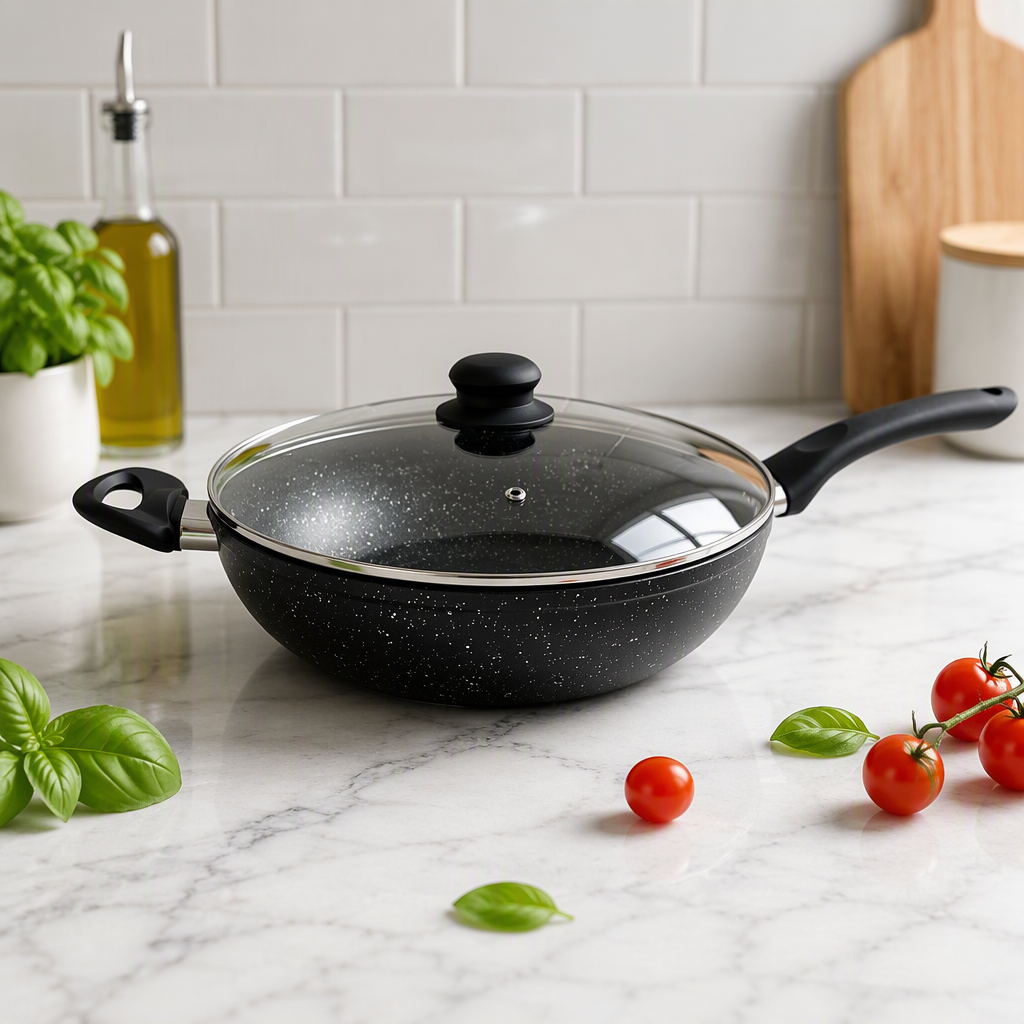
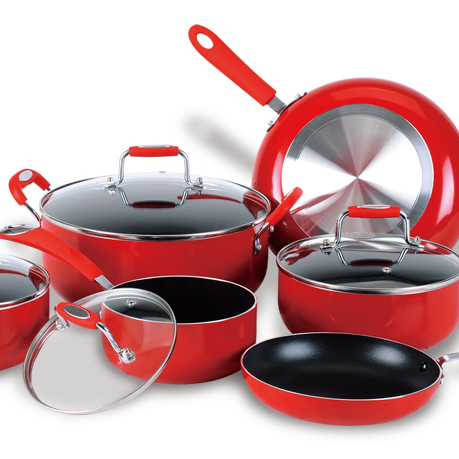
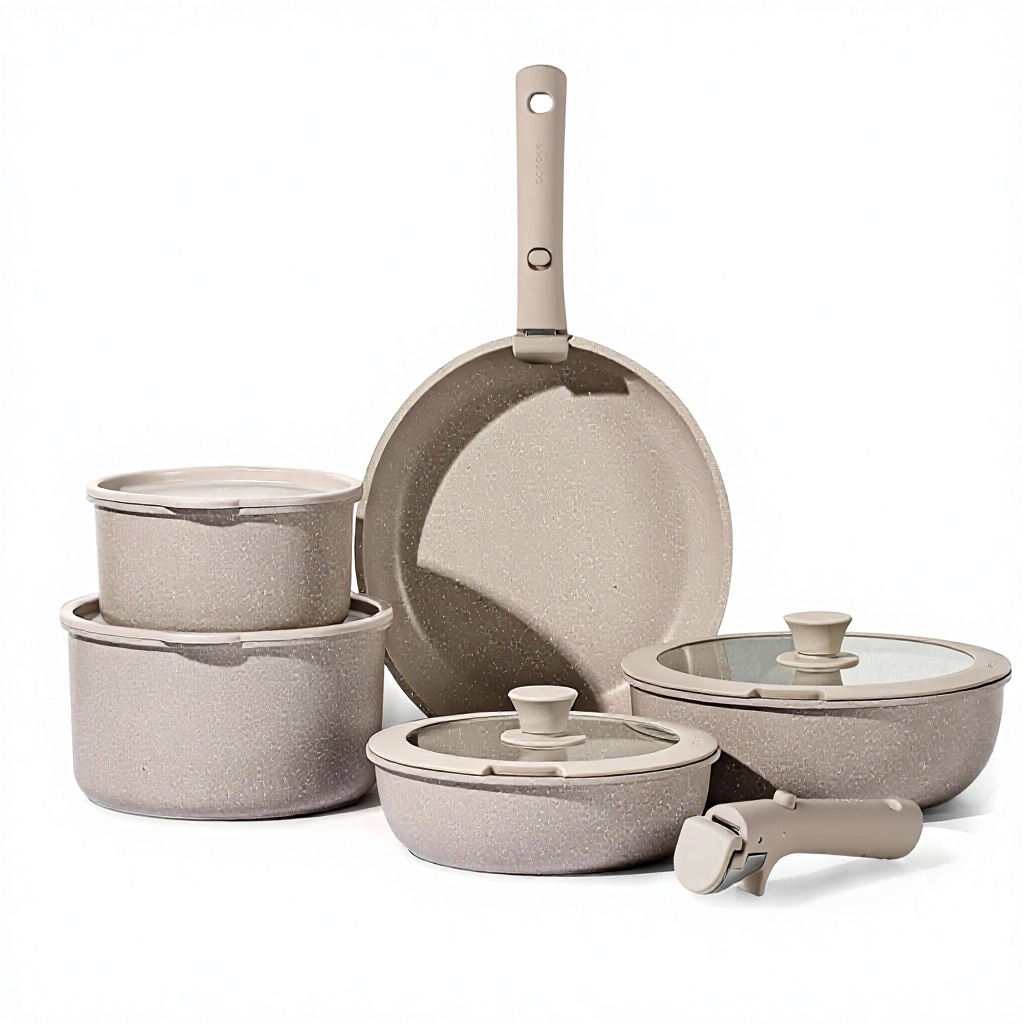
Over 68% of Glasgow's inner residential fabric (such as the West End, Shawlands, and Dennistoun) comprises traditional Victorian and Edwardian tenement apartments. These residential architectural layouts typically feature compact galley kitchens where cupboard and horizontal storage space is at an absolute premium. Consequently, Scottish consumers demand nested cookware configurations, universal silicone-rimmed lids, and robust detachable-handle systems that transition seamlessly from induction cooktop to oven to compact drawer organizers.
Induction Hob Retrofitting Surge
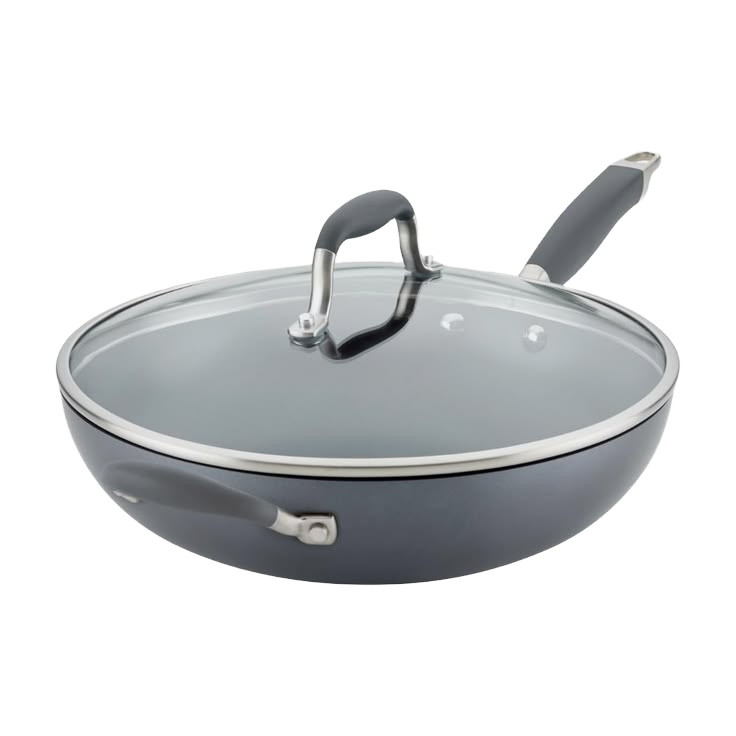
Driven by strict Scottish Energy Efficiency Standards (EESSH) and an aggressive push toward municipal Net Zero targets, Glasgow landlords and housing associations are rapidly replacing vintage gas rings with modern electromagnetic induction ranges. Aluminum vessels sourced for this market require magnetically receptive ferritic stainless steel bonded bottoms (AISI 430 grade) pressed under high tonnage with zero micro-cavity air gaps to eliminate high-frequency acoustic buzzing on British induction hobs.
Eco-Consciousness & UK REACH Alignment
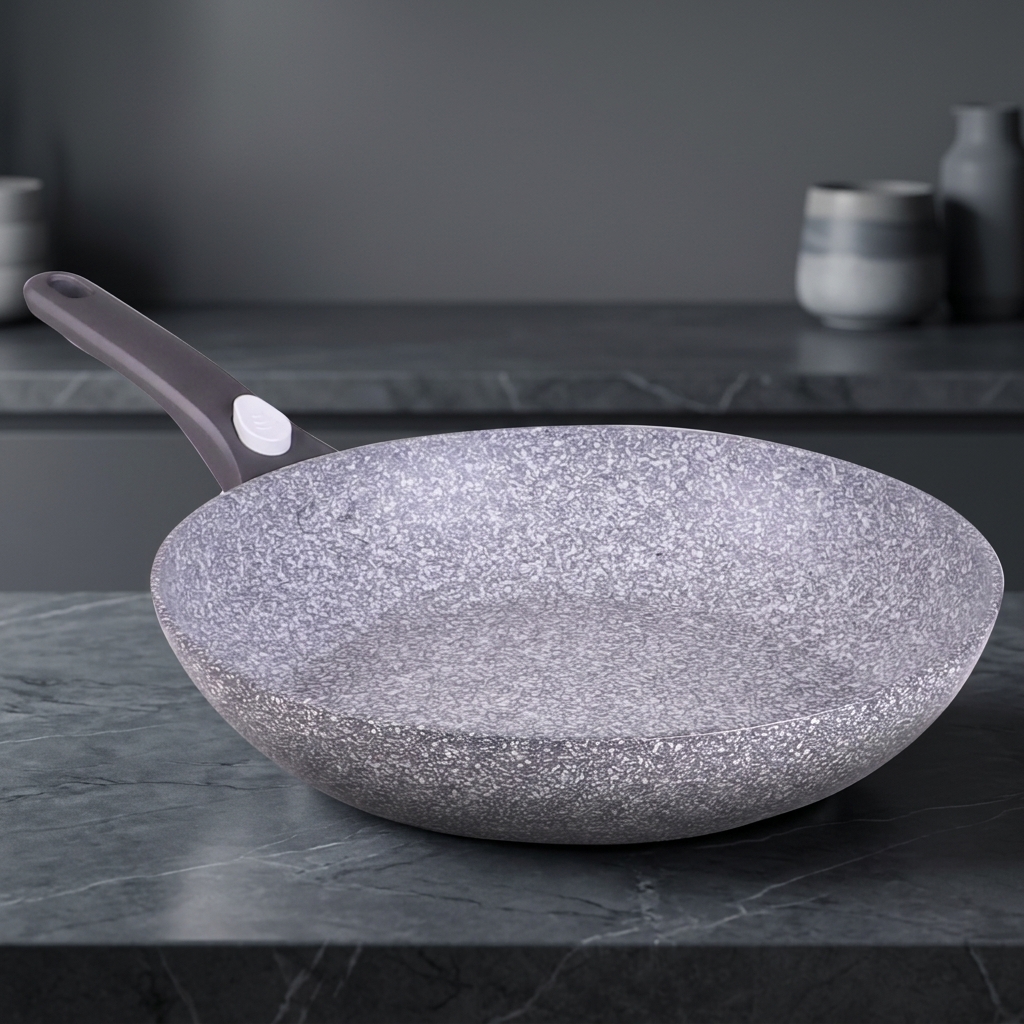
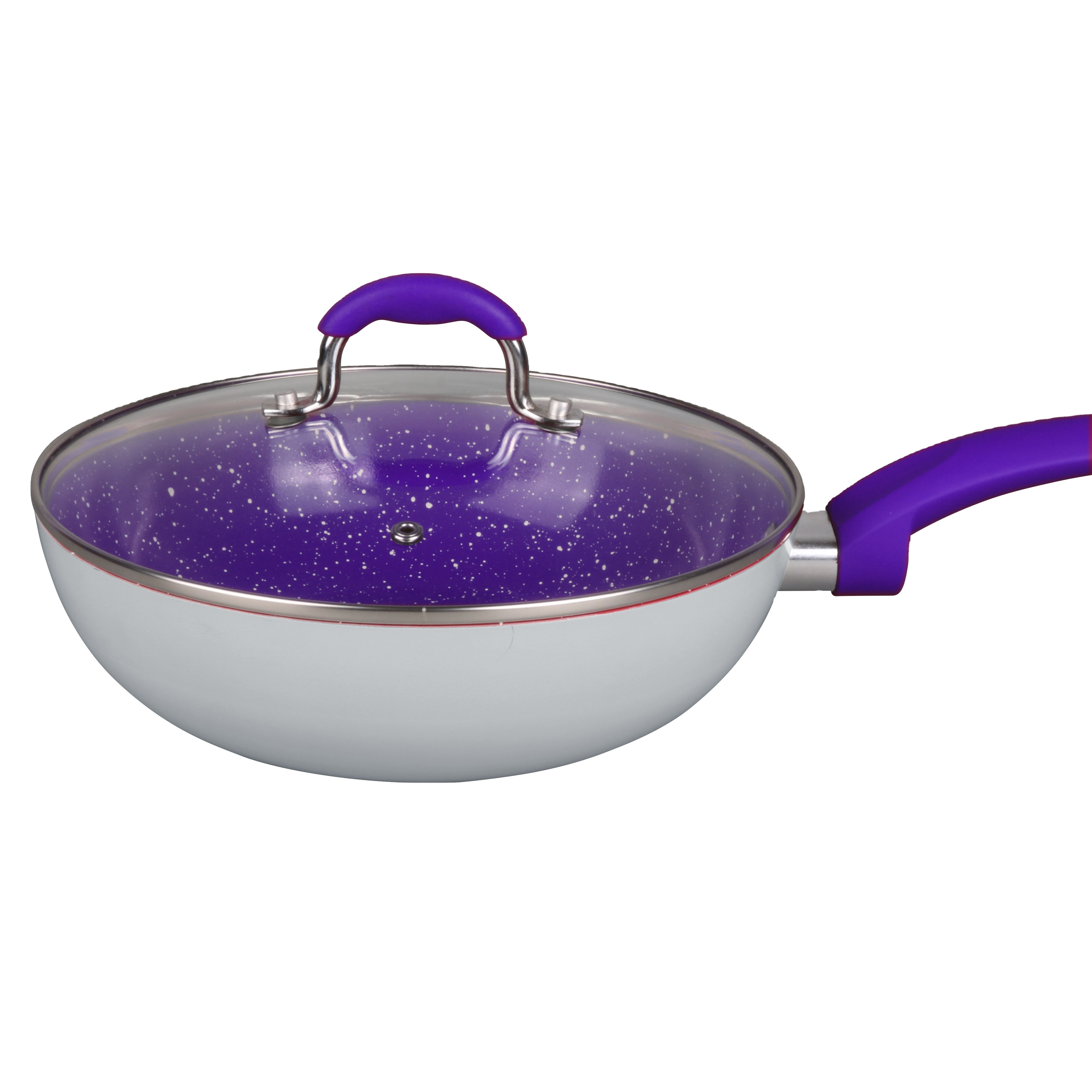
Scottish consumers exhibit some of the highest green retail sensitivities in the UK. Traditional PTFE formulas containing traces of persistent organic pollutants face mounting public scrutiny. The procurement trend across Glasgow retail groups (from Buchanan Street flagships to localized supermarket promotions) has decisively shifted toward inorganic sol-gel ceramic non-stick coatings certified entirely free of PTFE, PFOA, PFAS, lead, and cadmium, providing genuine non-toxic kitchen credibility.
Gastronomy: High Thermal Mass Searing
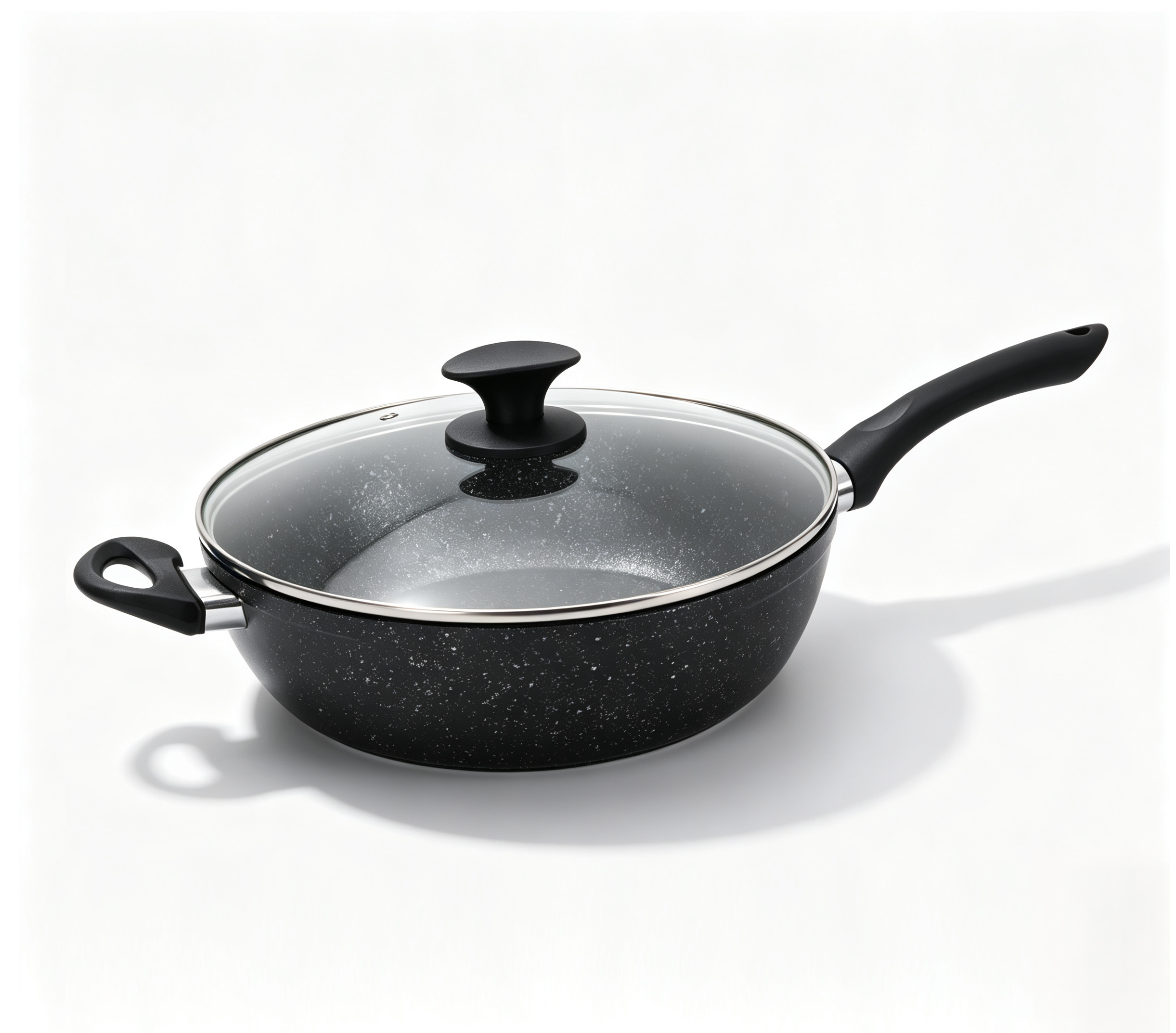
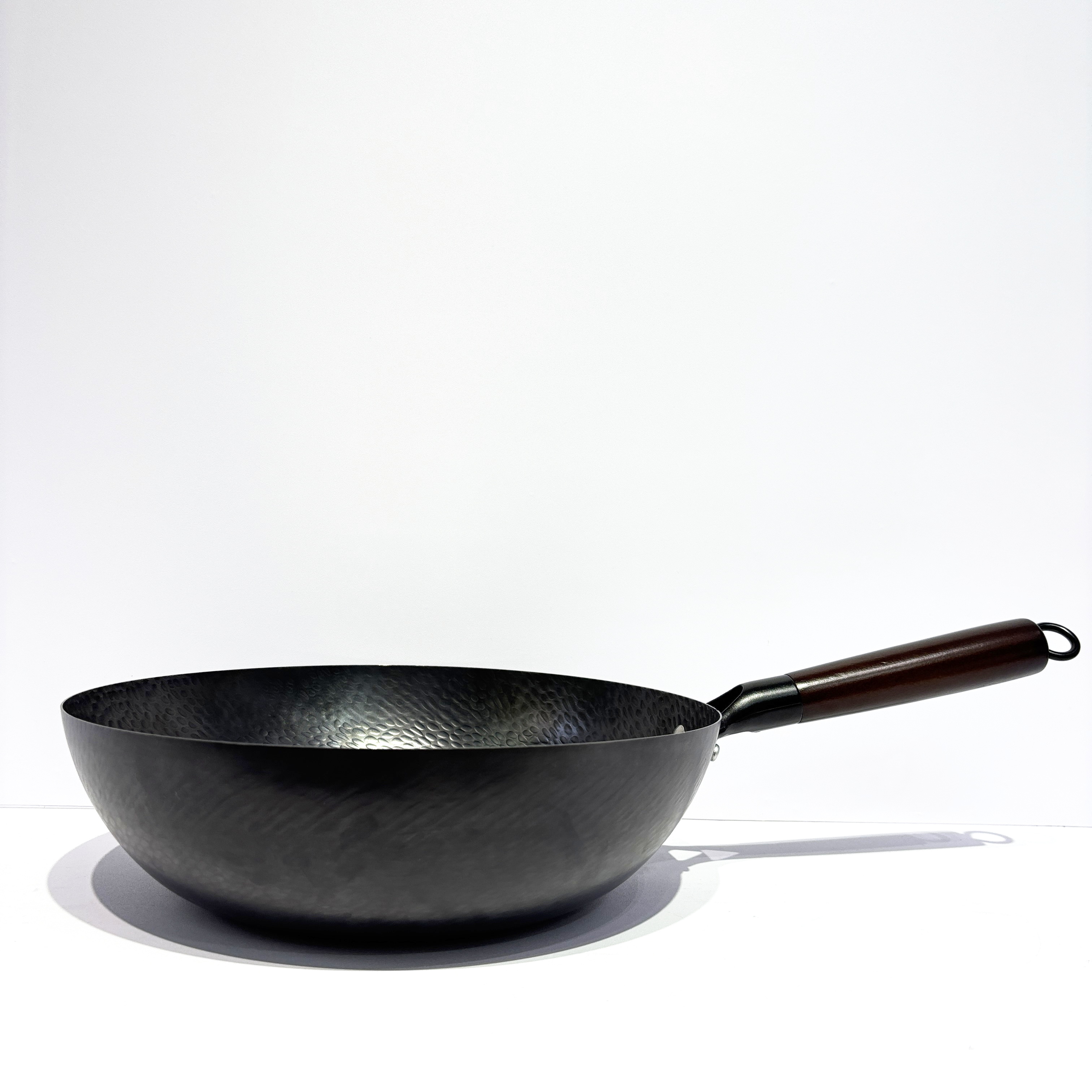
Traditional Scottish fare—including pan-seared Aberdeen Angus beef, hearty venison stews, Lorne sausages, and high-moisture potato scones—imposes severe physical stress on standard non-stick surfaces. Thin, lightweight pans rapidly lose thermal momentum upon meat contact, resulting in boiled rather than caramelized crusts. Zhejiang MEIS addresses this culinary demand by engineering die-forged aluminum bodies with 4.0mm to 4.5mm base thicknesses, providing cast-iron-like thermal reservoirs combined with easy-cleaning ceramic release.
Freight Corridor: Greenock & Eurocentral
Logistical continuity for Glasgow wholesale programs relies on strategic consolidation. Shipments dispatched from Ningbo or Shanghai port clear customs seamlessly at Greenock Ocean Terminal (Clydeport) or Port of Grangemouth, transferring immediately to regional distribution consolidation hubs along the Eurocentral / Bellshill corridor. Factory-level container utilization planning ensures pallets are packed to maximize cubic meter efficiency, insulating Scottish distributors from volatile maritime freight spikes.