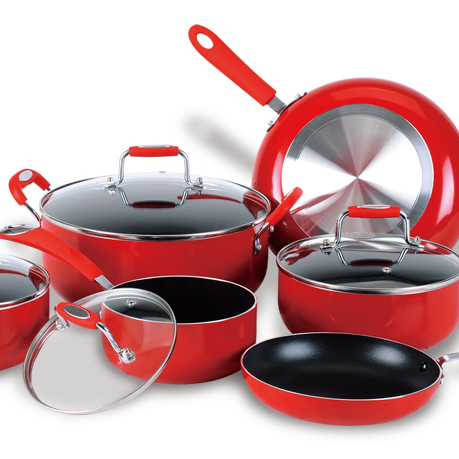
Factory-Direct Catalog
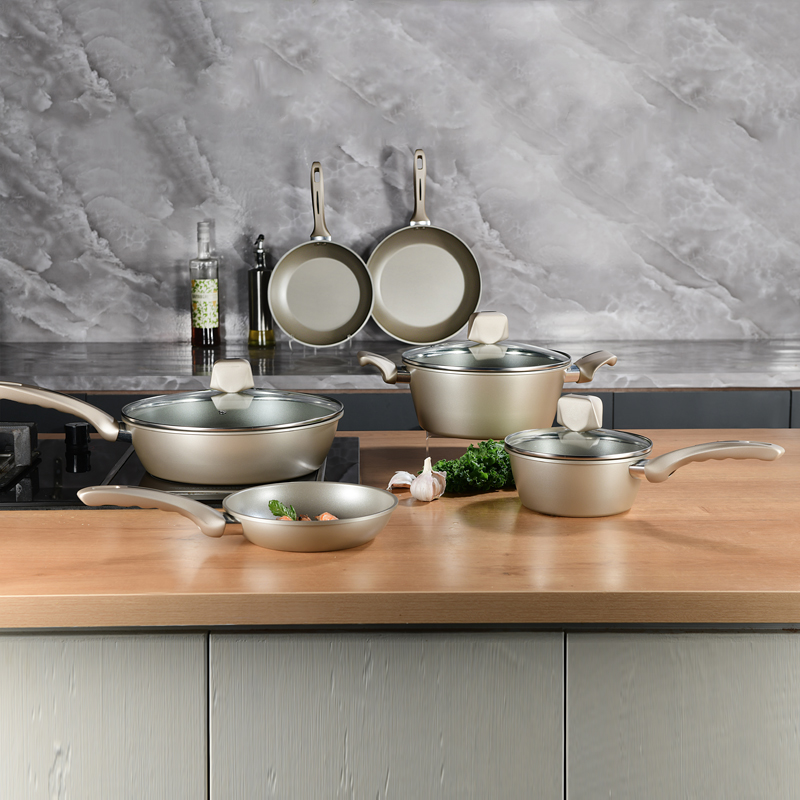
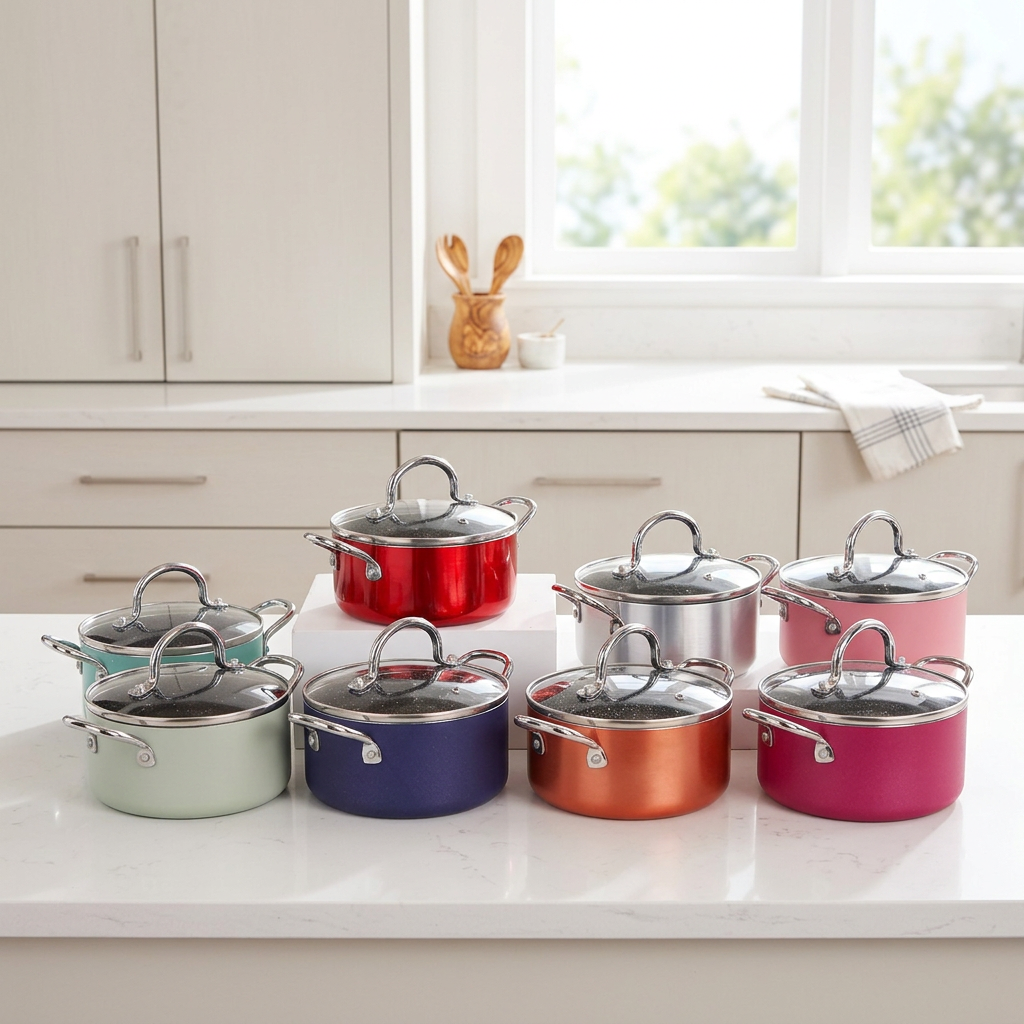
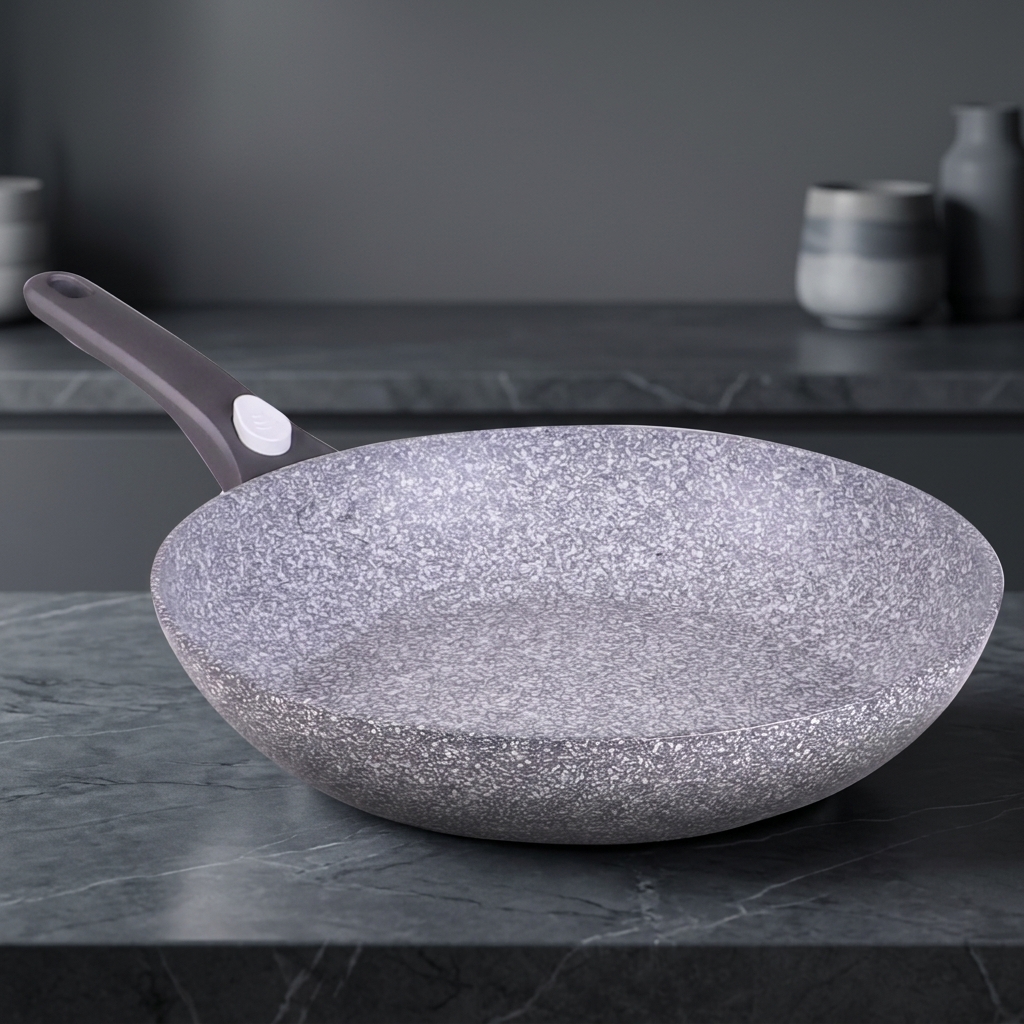
Export-Engineered Cookware Sets & Specialty Vessels
Directly manufactured on proprietary pressing, die-forging, and automated coating lines. Validated for high-thermal shock resistance, gas-flame stability, and intensive retail turnover in the Bajío corridor.
20+
Years Manufacturing Experience
105
On-Site Verified Technicians
100%
PTFE / PFOA / Lead-Cadmium Free
TÜV
Rheinland On-Site Assessed
Strategic Market Analysis
The Cookware Procurement Ecosystem in León & the Bajío Region
Why the industrial heartbeat of Guanajuato represents Mexico's most rapidly expanding tier-two commercial corridor for high-performance ceramic kitchenware.
León, Guanajuato, stands as the economic engine of Mexico's Bajío industrial basin. While internationally celebrated as the leather and footwear capital of the Americas, León's commercial infrastructure has rapidly evolved into a formidable trade and logistics junction. Bolstered by its immediate proximity to the Guanajuato Puerto Interior (GPI)—the premier dry port and customs terminal in Central Mexico—León-based retail chains, wholesale importers, and institutional suppliers are redefining consumer goods distribution across Jalisco, Querétaro, San Luis Potosí, and Aguascalientes.
Over the past five years, the kitchenware procurement pattern in León has experienced a decisive structural shift away from traditional untreated raw aluminum and soft PTFE-coated cookware toward high-durability, inorganic sol-gel ceramic coatings. This consumer and commercial transition is propelled by three distinct forces: elevated awareness of food-contact safety standards (specifically eliminating PTFE, PFAS, lead, and cadmium), the surge of modern residential developments across Northern León (such as Gran Jardín and El Molino) adopting clean induction cooktops, and the rigorous demands of traditional Bajío gastronomy which routinely subjects cooking vessels to high-temperature oil searing and high-acidity tomato-chile reductions.
For procurement directors managing retail groups, supermarket distributors, and commercial kitchen suppliers across León, direct sourcing from OEM/ODM Chinese manufacturing facilities has become a critical operational lever. By cutting out multi-tiered domestic brokers, brand owners obtain significant Information Gain, technical transparency, customized substrate metallurgy (such as heavy-gauge 3003 forged aluminum or cold-rolled SPCC carbon steel), and strict compliance with Mexican Official Standards (NOM-049-SSA1 and NOM-231-SSA1).
Wholesale & Retail Aggregation
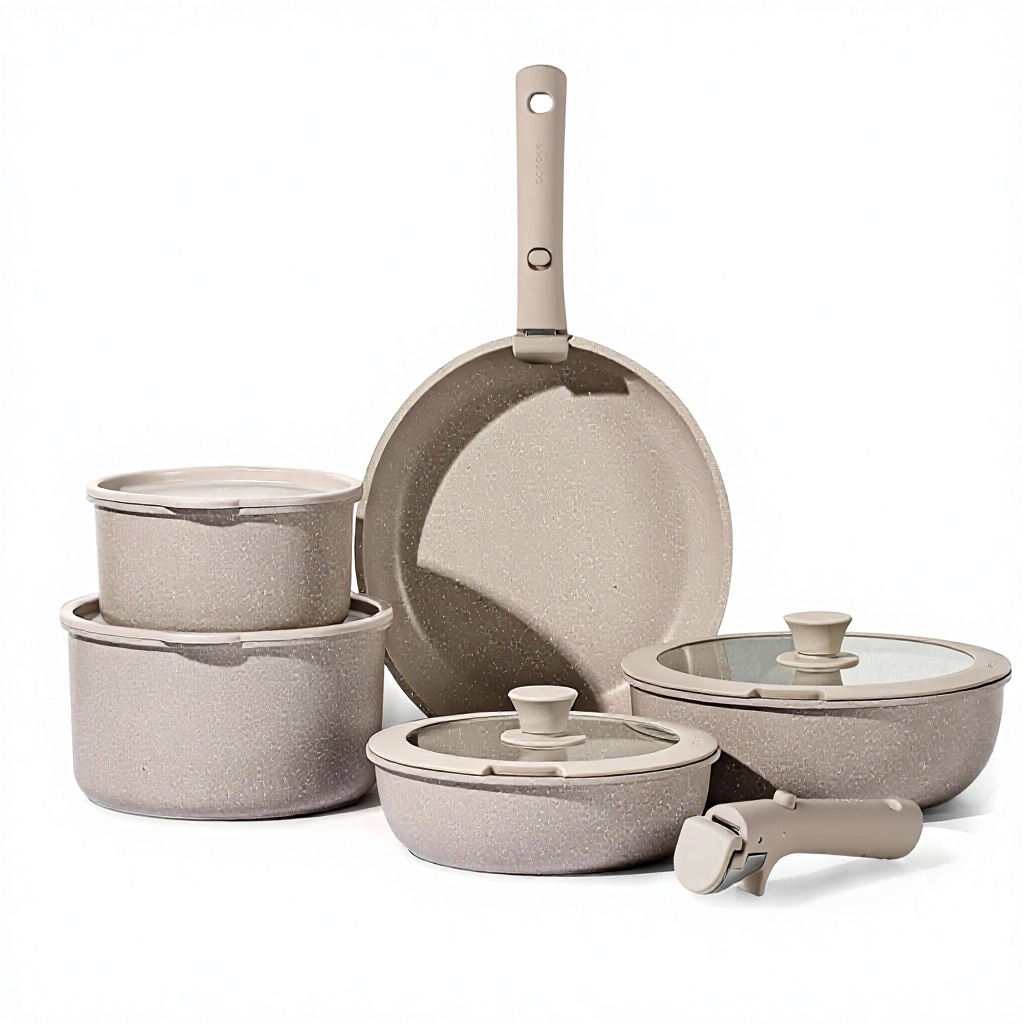
León serves as the supply warehouse for hundreds of independent department stores, homeware retailers, and regional tier-three wholesalers operating along the Pan-American highway corridor. Fast nesting sets with detachable handles optimize limited shelf space and lower cubic meter shipping overhead.
GPI Dry Port Customs Efficiency
Direct ocean freight entering Mexico via the deepwater Port of Manzanillo (Colima) can bypass coastal congestion under bond via Ferromex rail directly into Guanajuato Puerto Interior (Silao/León customs). This reduces container dwell times by up to 9 operational days.
Culinary Thermal Resilience
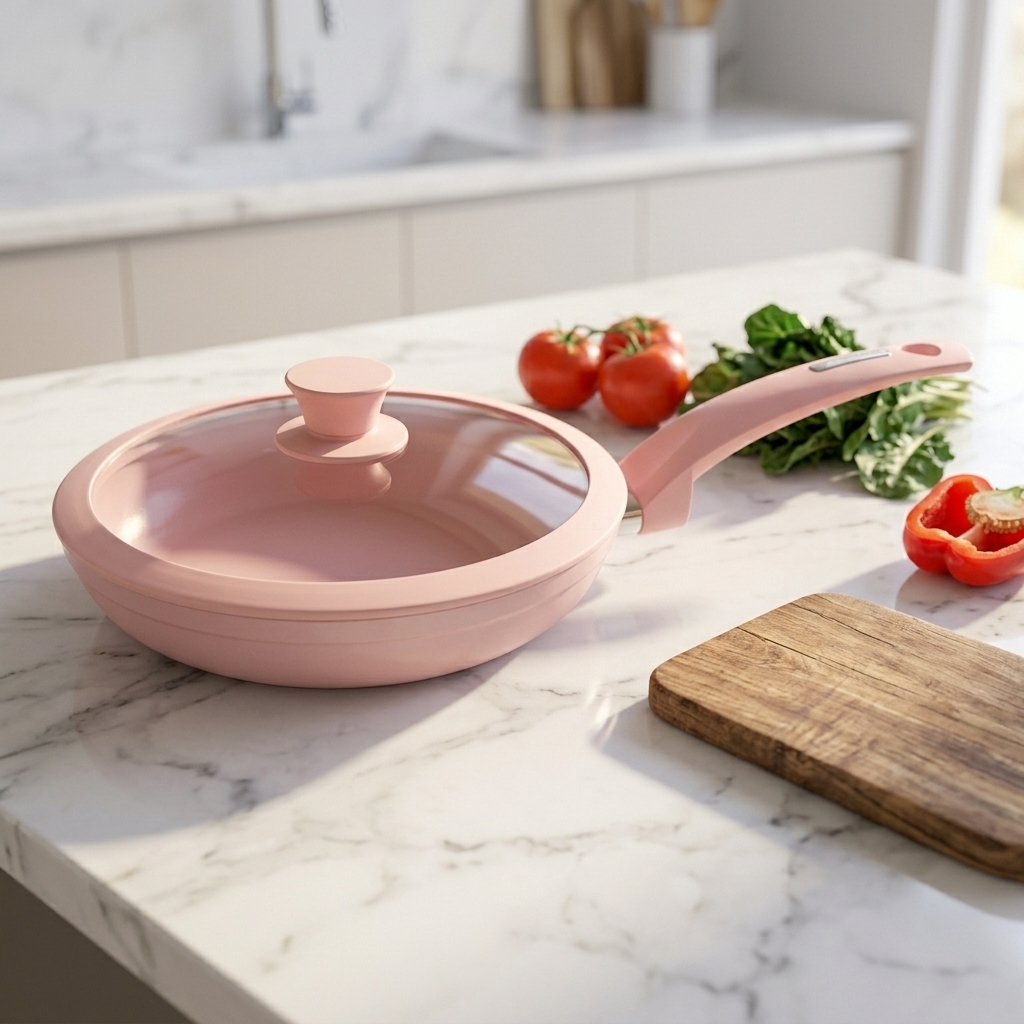
Unlike standard European or East Asian cooking profiles, Guanajuato kitchens operate predominantly on high-output LP gas ranges. Thin pressed pans buckle under irregular flame crowns; our 3.0mm–4.5mm forged aluminum bases guarantee structural flatness and thermal stability.
Technical Metallurgy & Chemical Engineering
Ceramic Sol-Gel vs. Conventional PTFE in Mexican Regional Cooking
Comprehensive engineering benchmarks detailing thermal conductivity, coating adhesion, and chemical resistance against high-acidity ingredients.
| Performance Criteria | Inorganic Sol-Gel Ceramic (MEIS Spec) | Standard PTFE (Teflon Type) | Enamelled Carbon Steel |
|---|---|---|---|
| Maximum Safe Operating Temp | 450°C (842°F) — No decomposition or toxic off-gassing | 260°C (500°F) — Begins pyrolytic polymer breakdown | 400°C (752°F) — Vitreous glass structure |
| Acid Resistance (pH 2.0–4.5) | Superior: Dense SiO2 matrix impervious to lime, salsa verde, and chile guajillo | Moderate: Chemical attack can blister underlying primer layers | High: Glass frit prevents iron leaching unless micro-chipped |
| Base Substrate & Gauge | 3003 Forged Aluminum Alloy (3.0mm–4.5mm base) | 1050 Pressed Aluminum (1.8mm–2.2mm wall) | SPCC Cold-Rolled Carbon Steel (0.8mm–1.5mm) |
| Mexican NOM Compliance | Exceeds NOM-049-SSA1-1993 & NOM-231-SSA1-2016 (Zero Lead/Cadmium) | Subject to evolving global fluoropolymer regulations (PFAS limits) | Requires regular heavy metal testing on pigment frits |
| Abrasion Durability (Cycles) | >35,000 cycles (oscillating scour pad under 15N load) | 10,000–18,000 cycles before base aluminum exposure | Susceptible to hairline mechanical impact fractures |
| Induction Efficiency | 430 Ferritic Stainless Steel perforated or full-disc bonding | Typically stamped cold plate or non-induction bare bottom | Naturally 100% magnetic without secondary stamping |
Enterprise Manufacturing Authority
Zhejiang MEIS Kitchenware: Your Direct Industrial Partner
Over two decades of precision manufacturing in Jinhua, Zhejiang, verified on-site by TÜV Rheinland to eliminate supply chain vulnerabilities.
Established as a premier manufacturing entity in Dongnan Industrial Zone, Shuxi Street, Jinhua, Zhejiang MEIS Kitchenware Co., Ltd. commands a verified production perimeter powered by 105 dedicated technical and engineering personnel. Having operated for 20 years in the cookware industry and maintaining an active 18-year export standing on international B2B platforms, MEIS delivers turnkey OEM and ODM execution tailored specifically for high-volume brand builders.
Unlike commercial trading companies that broker container lots across fragmented subcontract workshops, MEIS maintains absolute vertical control under a single enterprise roof. Every operational phase directly impacting vessel longevity—hydraulic pressing, CNC edge trimming, 6-stage ultrasonic surface degreasing, multi-coat robotic ceramic spray application, high-temperature tunnel kiln curing, handle stress riveting, and packaging—is executed in-house.
TÜV Rheinland Audited
Our facility has undergone comprehensive on-site facility audits and process verification by TÜV Rheinland. We maintain rigorous ISO9001-aligned quality management tracking every ingot batch to finished master cartons.
In-House CNC & Mold Making
Rapid tooling turnaround allows private-label brands in León to prototype unique vessel shapes, customized pour spouts, and proprietary handle molds within 20 working days, slashing traditional go-to-market cycles.
Rigorous On-Site Testing Lab
Every production run undergoes accelerated neutral salt spray testing (NSS ASTM B117), handle torsion & thrust fatigue testing, cross-hatch coating adhesion checks, and extreme thermal shock quenching.
Commercial & Culinary Applications
Engineered for the Realities of the Central Mexican Kitchen
How our customized cookware lines conquer regional gastronomic techniques and diverse retail distribution channels.
High-Acid Guanajuatense Stews
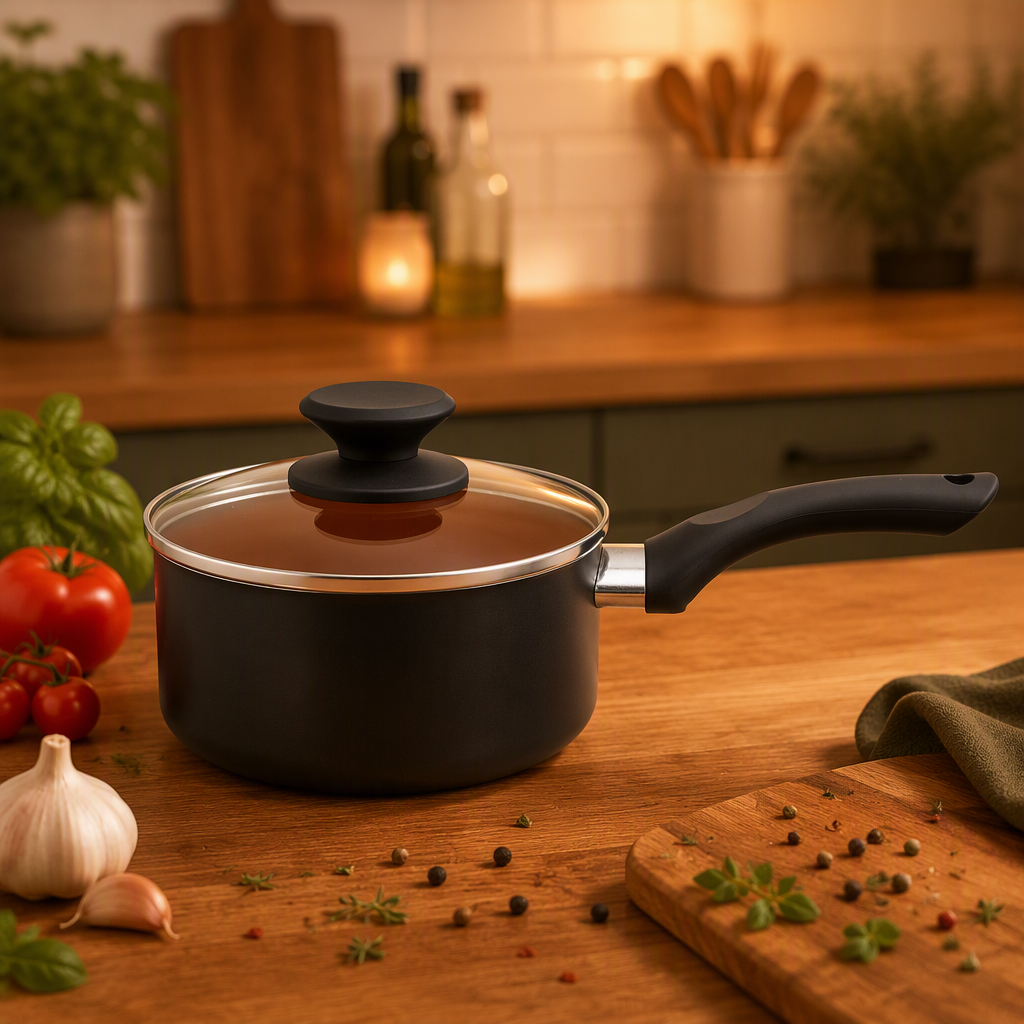
Preparation of signature regional dishes like Guacamayas (spicy chile de árbol dipping broth), Caldo Michi, and slow-simmered green mole contains excessive ascorbic and citric acids. Traditional non-stick surfaces degrade prematurely under acidic attack; our inorganic quartz-based ceramic matrix remains inert, eliminating chemical erosion and metal transfer.
LP Gas Flame Defense
The overwhelming majority of households and culinary establishments across León rely on bottled LPG cooktops, generating aggressive localized heat zones exceeding 380°C. Our forged pans incorporate high-heat exterior silicon lacquers and warp-resistant bottom plates that avoid flame discoloration and concave bottom deformation.
E-Commerce & Department Retail
Whether retailing through major brick-and-mortar storefronts along León's Boulevard Adolfo López Mateos or supplying digital merchants across Mercado Libre Mexico and Amazon MX, our stackable detachable-handle sets reduce corrugated packaging volume by up to 55%, preventing parcel drop damage and minimizing postal freight.
Supply Chain Architecture
Optimized Logistics: Ningbo/Shanghai to León via Manzanillo & GPI
Strategic freight routing designed to bypass Pacific coastal bottlenecks and expedite direct customs dispatch in the Bajío inland hub.
A frequent error made by Mexican cookware importers is clearing cargo at port of discharge in Manzanillo or Lázaro Cárdenas, exposing shipments to demurrage fees and container inspection congestion. Working with Zhejiang MEIS Kitchenware, León-based buyers can establish a streamlined multimodal transit plan:
1. Jinhua to Ningbo Port
Our Jinhua factory is situated less than 180 km from Ningbo-Zhoushan Port. Finished 40ft HQ containers are stuffed directly at our factory loading bays and gated in at Ningbo within 4 hours, lowering inland drayage expenses.
2. Transpacific Crossing
Direct ocean services operated by Maersk, CMA CGM, and COSCO provide typical transit times of 18 to 22 days from Ningbo directly to the Port of Manzanillo, Colima, offering weekly sailing reliability.
3. Bonded Rail to GPI (Silao)
Containers move immediately under fiscal transit (Tránsito Interno) via Ferromex rail from Manzanillo into Guanajuato Puerto Interior (GPI). Final import tax clearance and NOM compliance inspections occur locally in Silao, right next to León.
Commercial Diligence
Frequently Asked Questions for Mexican Importers
Essential operational intelligence covering tariff classification, labeling regulations, and MOQ protocols.
What are the primary Mexican Official Standards (NOM) required for ceramic cookware importation?
Importing kitchenware into Mexico mandates compliance with NOM-049-SSA1-1993 and NOM-231-SSA1-2016, which govern permissible limits of leachable lead and cadmium in glazed ceramic and enamelled ware. Additionally, consumer packaging must strictly adhere to commercial information labeling regulations specified under NOM-050-SCFI-2004 or NOM-015-SCFI (detailing manufacturer data, country of origin, and Spanish-language care instructions). MEIS coordinates with accredited Mexican verification units (UVAs) and provides comprehensive test reports from certified laboratories (SGS / TÜV) prior to export dispatch.
What Mexican import tariffs (TIGIE) apply to aluminum and carbon steel cookware from China?
Under the General Import and Export Tax Law (TIGIE), aluminum kitchenware typically falls under HS Code 7615.10 (table, kitchen or other household articles and parts thereof, of aluminum), while carbon steel vessels fall under HS Code 7323.93 or 7323.94. Duties generally range from 15% to 25% ad valorem plus 16% Mexican VAT (IVA), subject to dynamic tariff adjustments. Our export team assists buyers in optimizing packaging and parts classification to prevent customs misdeclaration penalties at the Silao/León customs gate.
What are the minimum order quantities (MOQs) for custom private-label sets?
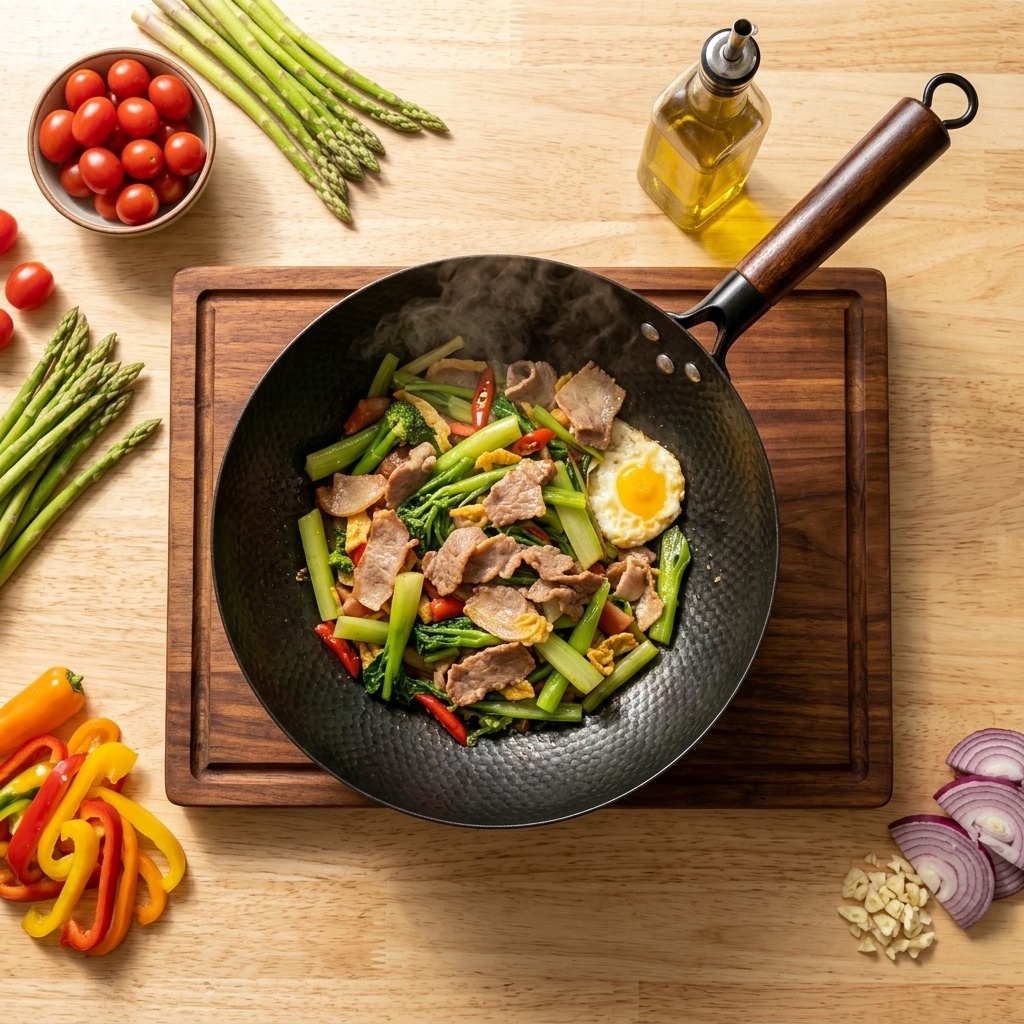
Standard production runs for customized cookware sets (custom body color, branded base stamping, silicone rim glass lids, and full-color four-color process retail packaging) start at 1,000 to 1,500 complete sets per configuration. For individual open-stock fry pans, saucepans, or carbon steel woks, MOQs begin at 1,500 to 2,000 pieces per size. For verified distributors and retail conglomerates in Guanajuato initiating container consolidation programs, split-color or multi-sku single-container options are supported.
How do sol-gel ceramic non-stick coatings prevent blistering during Mexican salsa preparation?
Traditional PTFE coatings rely on fluoropolymer chains bound with micro-porous resins. Over time, volatile organic acids in Mexican cooking (acetic, citric, and malic acids present in tomatillo, habanero, and lime juice) permeate these micropores, contacting the bare aluminum below. This causes galvanic oxidation, bubbling the non-stick film. Our inorganic sol-gel coating chemically cures into a glass-hard silicon dioxide (SiO2) network completely devoid of polymeric pinholes, resisting acidic corrosion indefinitely under normal kitchen use.
Launch Your Cookware Line with a Verified China Factory
Direct factory pricing, complete engineering blueprints, and accredited food-contact certification for León importers, department retail brands, and Bajío commercial distributors. Connect directly with our engineering division today.