Engineered Kitchenware Solutions for Commercial Programs
Explore our top-tier hard anodized, forged aluminum, and specialized carbon steel product lines engineered specifically for European induction surfaces and sustainable retail performance.
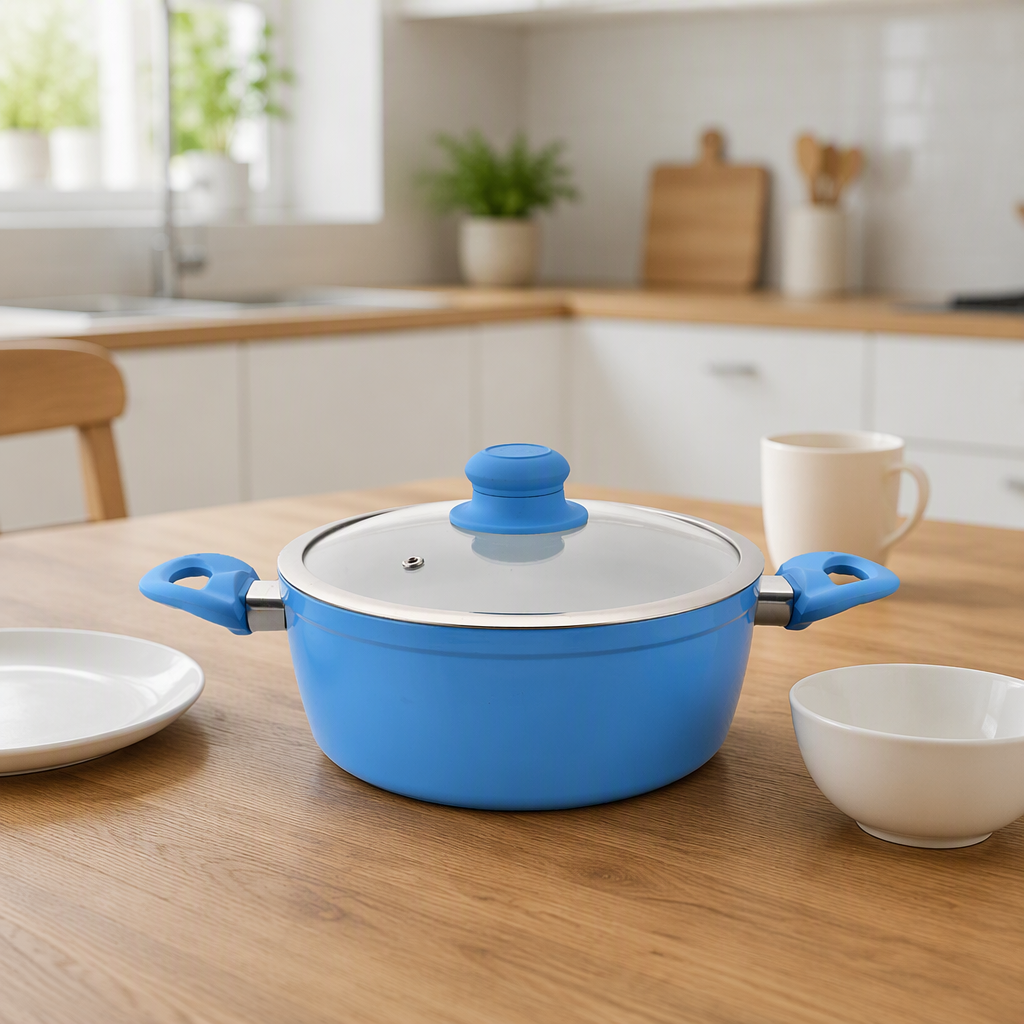
24 cm Durable Forged Casserole Soup Pot with Bakelite Handle & Lid
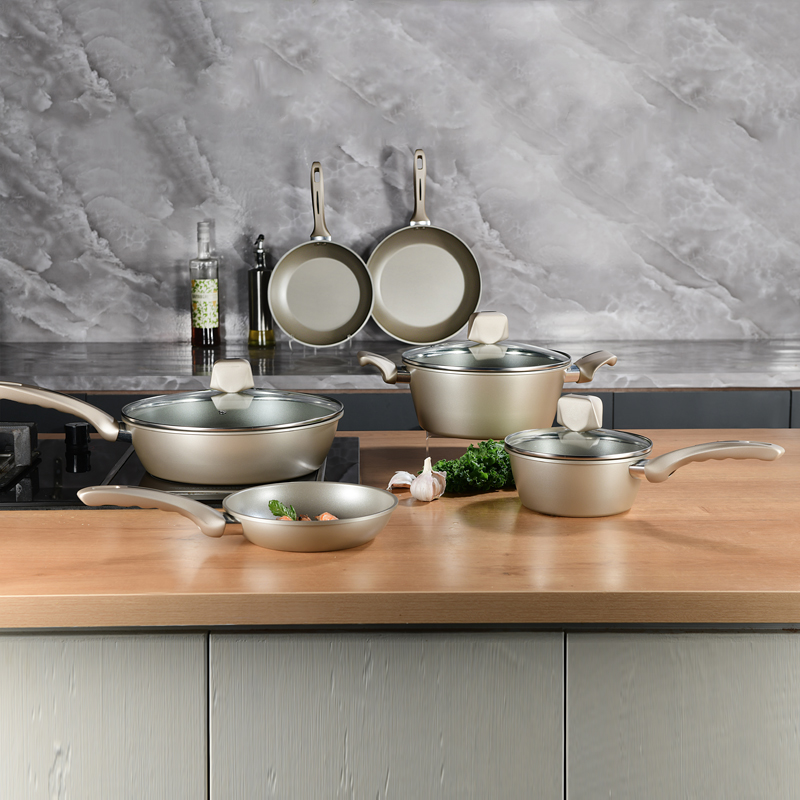
9-Piece Titanium Non-Stick Heavy Gauge Carbon Steel Cookware Set
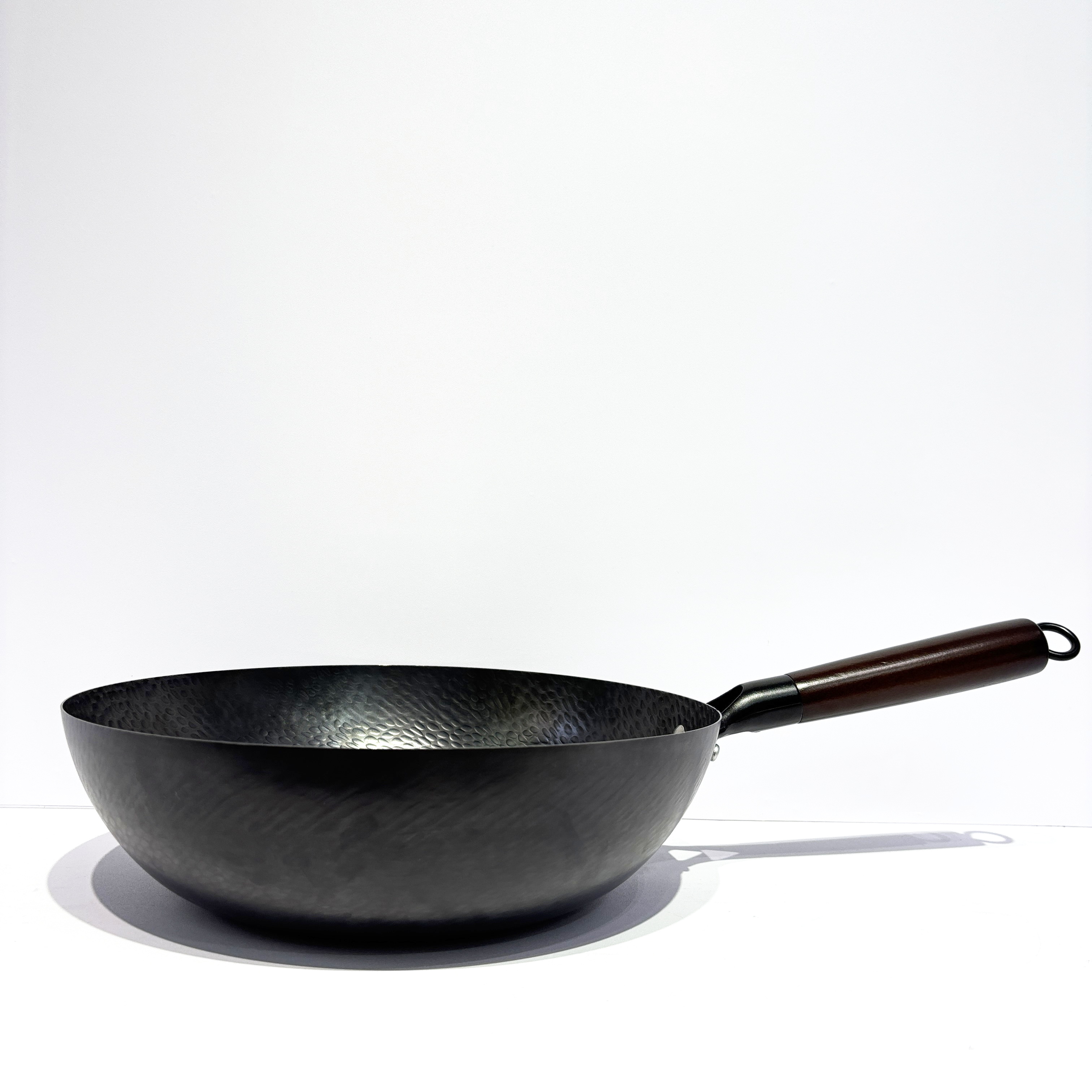
CAMRY Hammered Nitrided Carbon Steel Wok with Wooden Handle
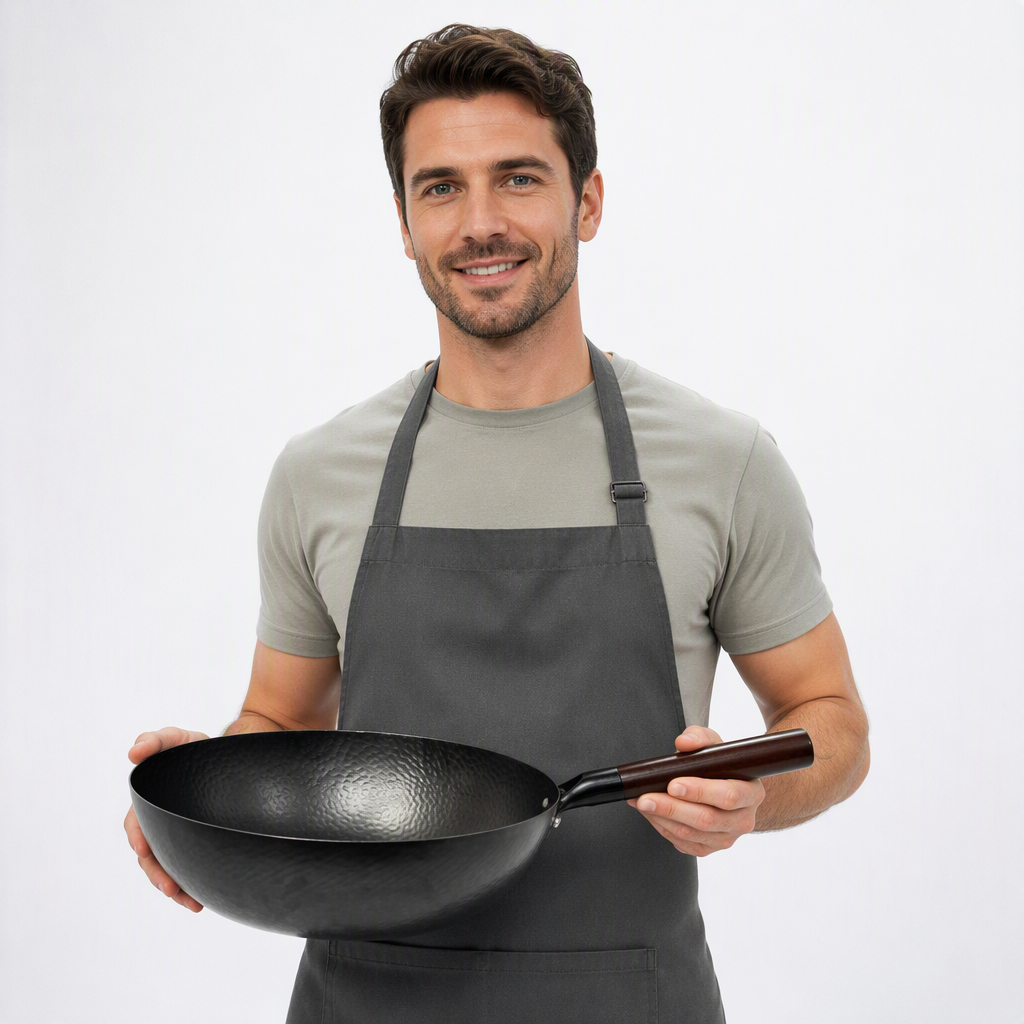
30cm Nitrided Carbon Steel Round Non-Stick Stir Fry Wok
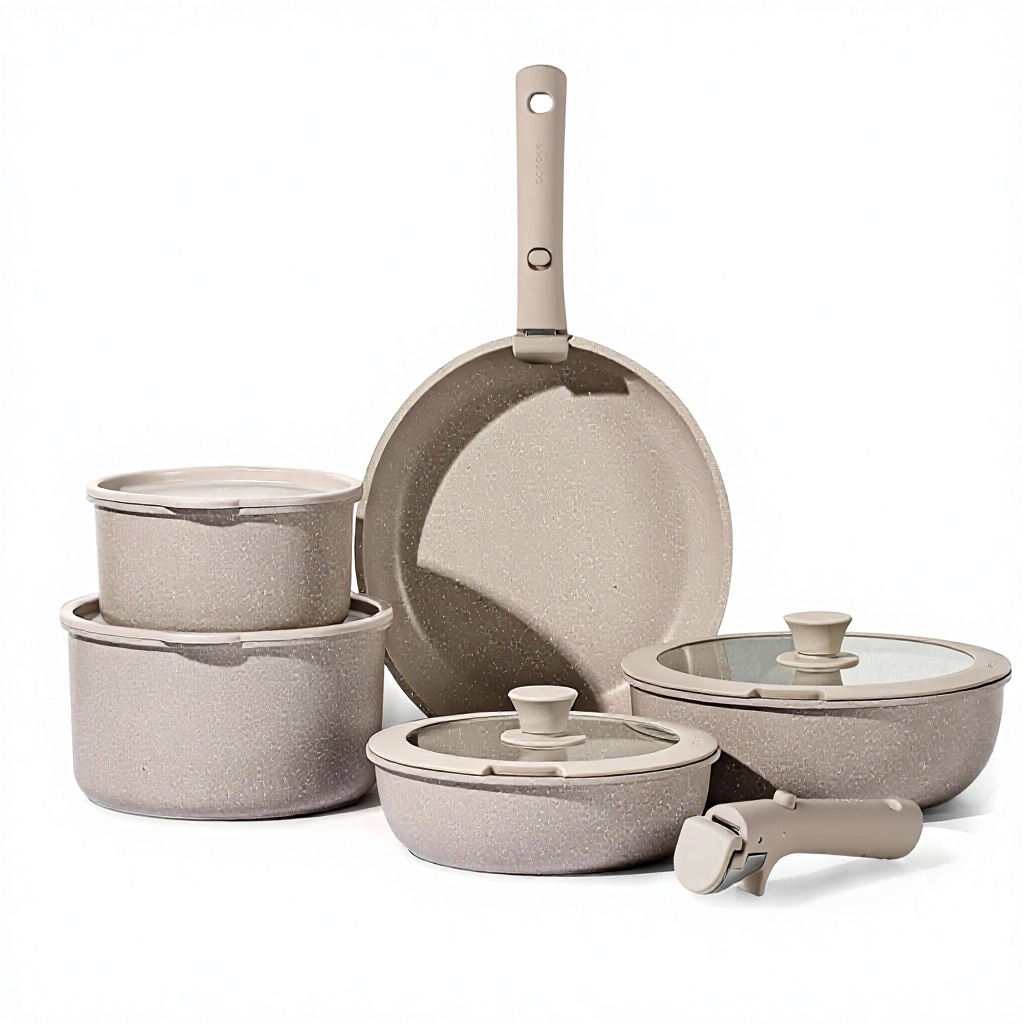
19-Piece Non-Stick Cookware Set with Space-Saving Removable Handles
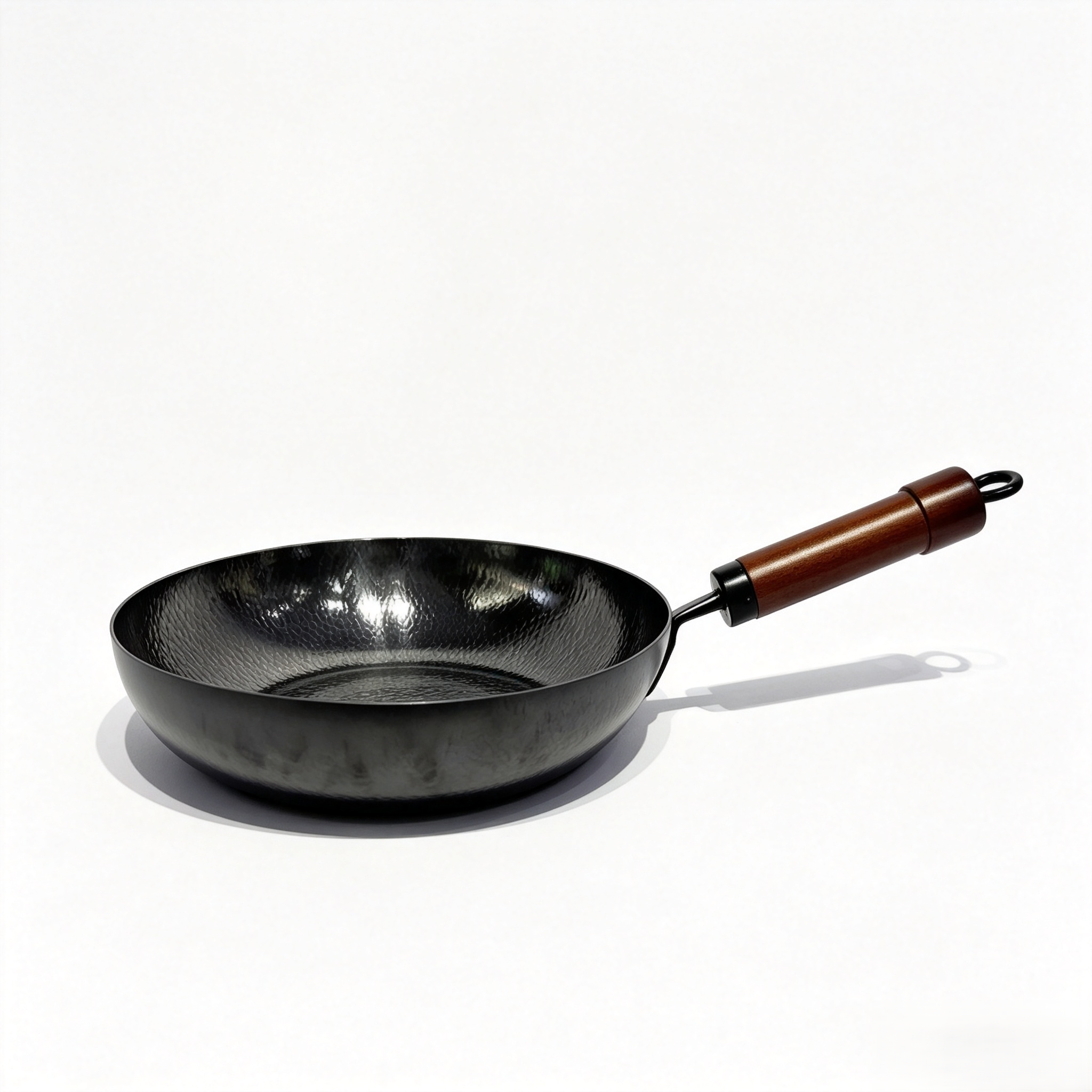
Modern CAMRY Eco-Friendly Hammered Carbon Steel Wok (2-3L)
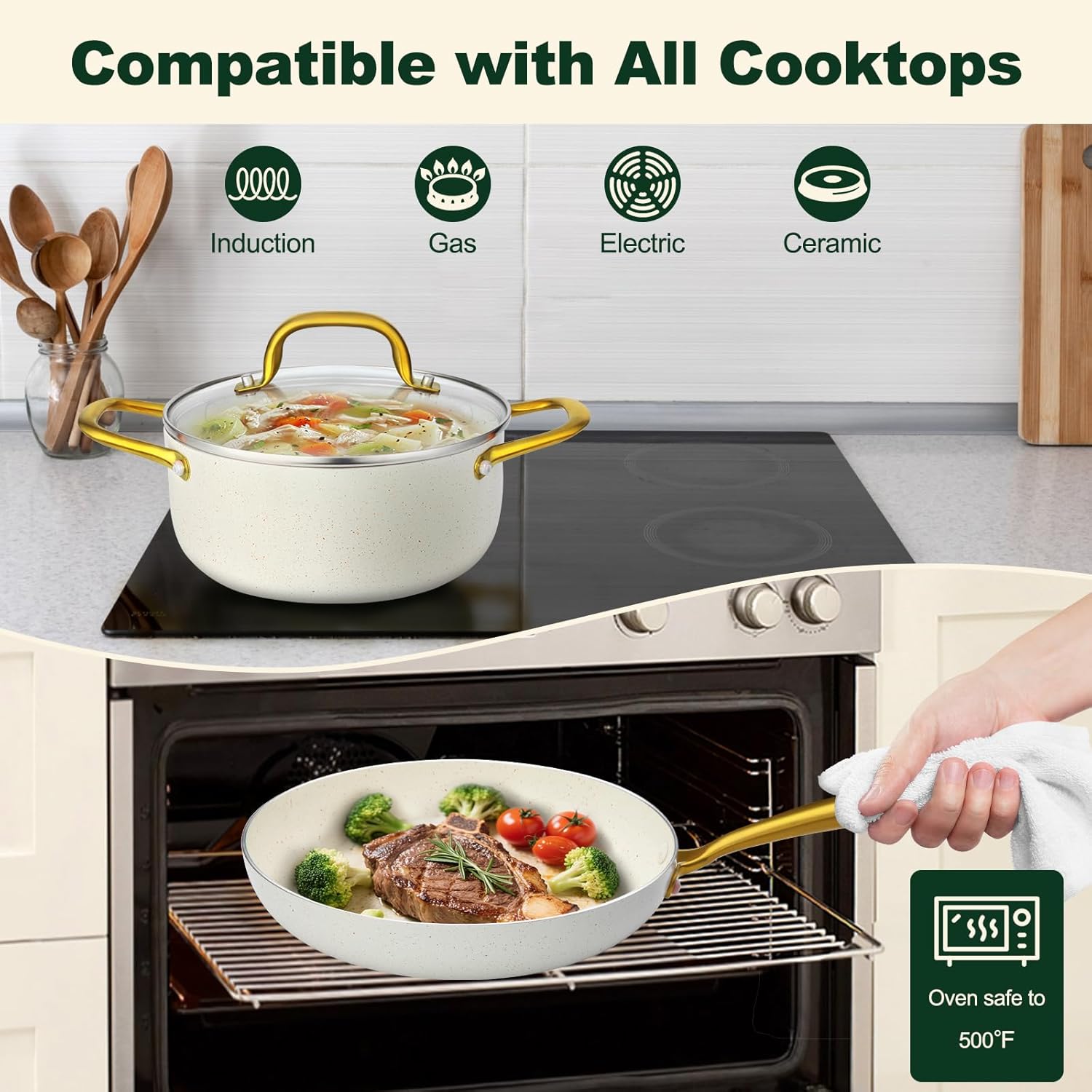
5-Piece Classic Ceramic Kitchenware Set with Cast Stainless Steel Handle
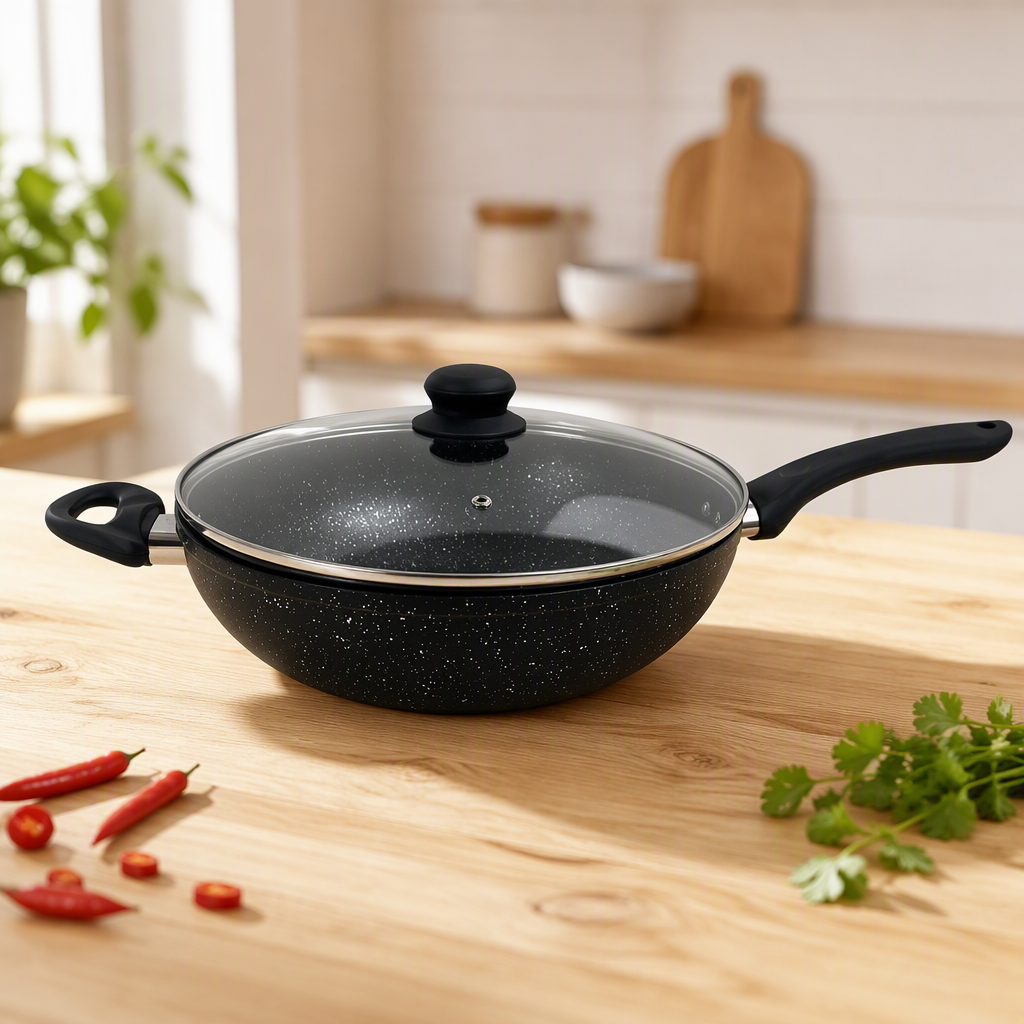
32 cm Granite Non-Stick Forged Wok Pan (5.5L) with Tempered Lid
Navigating Cookware Procurement in the Berlin & DACH Ecosystem
The Berlin metropolitan consumer landscape, coupled with the broader German market (DACH region), maintains one of the world's most stringent expectations for domestic culinary equipment. The contemporary urban demographic in Berlin demands high cooking efficiency, durability, and absolute material safety. German retail powerhouses and e-commerce channel brands are increasingly divesting from entry-level stamped aluminum cookware in favor of hard anodized aluminum cookware sets and advanced nitrogen-treated carbon steels. Hard anodization provides an electrolytic passivated aluminum oxide matrix (Al₂O₃) that exhibits structural surface hardness superior to high-grade surgical stainless steel, preventing substrate distortion and structural warping caused by rapid thermodynamic fluctuation on modern induction ranges.
For B2B buyers importing into Berlin—whether supplying brick-and-mortar departmental icons in Charlottenburg, specialty organic culinary retailers in Prenzlauer Berg, or pan-European direct-to-consumer (DTC) channels operating out of Mitte—compliance with stringent regulatory directives is paramount. The modern German consumer scrutinizes food-contact items for adherence to the German Food, Commodities and Feed Act (LFGB Lebensmittel-, Bedarfsgegenstände- und Futtermittelgesetzbuch § 30 & 31), EU Framework Regulation (EC) No 1935/2004, and the accelerating phase-out of poly- and perfluoroalkyl substances under REACH and PFAS restriction drafts. As an audited manufacturer, Zhejiang MEIS Kitchenware bridges this technical divide by delivering industrial mass production with surgical metallurgical control, providing verifiable test documentation for global buyers seeking reliable China sourcing partnerships.
Compact Berlin Urban Kitchens (Altbau Living)
With high rental densities in districts like Friedrichshain and Kreuzberg, residential kitchens feature limited cabinet space. Our hard anodized detachable handle collections allow complete nested storage, transitioning seamlessly from full induction cooktop to convection oven (up to 260°C) and directly to compact under-counter dishwashers.
High-Density Energy Efficiency & Induction Speed
Berlin domestic electricity tariffs necessitate hyper-efficient cookware. By integrating multi-layer CNC-milled bonded ferromagnetic steel bases (flux plate systems) into 3.5mm–4.5mm die-forged anodized aluminum cores, heat absorption on Bosch, Siemens, and Miele induction cooktops achieves 94% thermal conduction parity with zero hotspot flare-ups.
Health-Conscious, Plant-Forward Gastronomy
Berlin is recognized as the vegan capital of Europe. The culinary preparation of delicate legume-based proteins, gluten-free starches, and low-oil stir-fries necessitates ultra-smooth, food-contact neutral surfaces. Hard anodized cookware combined with multi-layer sol-gel ceramic or reinforced PTFE-free granite systems prevents chemical leaching even when preparing acidic, tomato-based stews.
Technological & Regulatory Drivers in the German Cookware Sector
The culinary hardware sector in Central Europe is undergoing a transformative structural shift. Consumer skepticism toward legacy non-stick chemistries has driven double-digit compound annual growth rates for alternative surface treatments. In Berlin, the market is characterized by three non-negotiable purchasing criteria: longevity (Langlebigkeit), structural circularity (Kreislaufwirtschaft), and total toxicological safety (Schadstofffreiheit).
Consequently, professional procurement channels are shifting from commodity-grade pressed aluminum pans toward thick-gauge hard anodized assemblies and nitrided rust-proof carbon steels. The physical properties of an electrochemical anodized layer (forming crystalline sapphire-like aluminum oxide within the metal substrate itself) eradicate the common failure points of low-cost pans: flaking, blistering, and delamination. German consumers view cookware not as disposable seasonal housewares, but as permanent capital goods for their domestic spaces.
| Evaluation Parameter | Hard Anodized Aluminum | Die-Forged Non-Stick Aluminum | Nitrided Carbon Steel | Standard Pressed Aluminum |
|---|---|---|---|---|
| Base Substrate Hardness | Vickers Hardness (HV) > 450 (Harder than steel) | Medium (Structural forge density) | High Surface Nitride Dispersion | Low (Subject to mechanical warp) |
| Induction Efficiency (DIN EN 12983) | Superior (Embedded bonded flux base) | Excellent (Perforated/solid plate) | Inherent Natural Ferromagnetism | Moderate (Thin stamped base) |
| Thermal Shock Resilience | No warping under rapid cold quenching | High thermal resistance | Extreme temperature tolerance (>400°C) | Prone to base convexity |
| Surface Integrity / Corrosion | Resists acidic migration (LFGB § 31 compliant) | High chemical resistance | Oxidized Fe3O4 anti-corrosion layer | Moderate chemical durability |
| German Target Segment | High-End Retail, Specialty Stores, DTC | Mid-to-High Departmental Chains | Culinary Enthusiasts, Professional Chefs | Promotional & Supermarket Programs |
Zhejiang MEIS Kitchenware: Direct Manufacturing Capabilities
Situated in the heart of Zhejiang's industrial hardware district, our facility operates over complete production sequences with end-to-end quality validation assessed directly on-site by TÜV Rheinland.
Vertically Integrated Precision Tooling
Unlike trading intermediaries, MEIS maintains full internal mold fabrication, CNC tooling stations, and automated deep-draw hydraulic presses. We turn custom CAD/CAM drawings into commercial tooling in under 25 business days, drastically compressing the new-product introduction (NPI) cycle for European brands.
In-House DIN & LFGB Testing Laboratories
Every commercial batch is subjected to rigorous internal stress testing in our dedicated facility: 5% neutral salt spray chambers for cross-hatch corrosion, multi-cycle dishwasher abrasion simulators, handle torsional load testers, and pneumatic thrust fatigue rigs to guarantee handle-joint stability under severe mechanical torque.
Flexible OEM / ODM & Private-Label Execution
We configure production lines for custom Pantone/RAL heat-resistant exterior varnishes, laser-etched brand identities, PVD cast handle hardware, customized multi-lingual German retail packaging, and drop-test certified mail-order packaging tailored for European fulfillment hubs.
Frequently Asked Questions for DACH & Berlin Importers
Direct answers to the most common metallurgical, logistics, and compliance questions raised by German purchasing managers.
Q1: How does MEIS ensure full conformity with German LFGB and European food contact directives?
We source raw aluminum ingots (Grade A 3003 / 4006 series) free of toxic heavy metal contamination. Surface coatings (ceramic, sol-gel, or high-release fluoropolymer) are tested via third-party laboratories (TÜV Rheinland, SGS, Intertek) for total specific migration limits of heavy metals (lead, cadmium, arsenic) and primary aromatic amines according to LFGB § 30 and 31.
Q2: What are the Minimum Order Quantities (MOQ) for custom brand packaging in Germany?
For standard customized sets with OEM logos and custom 4-color German/English gift box packaging, our baseline MOQ is generally 1,000 to 1,500 sets depending on body geometry. For strategic market entry trials or specific single-frypan SKU programs, selective trial runs start from 500 units to support agile catalogue expansion.
Q3: Can hard anodized pans operate reliably on advanced German induction cooktops?
Yes. While raw aluminum is non-magnetic, our specialized factory applies high-tonnage impact bonding or perforated induction plates via hydraulic pressure exceeding 2,500 tons. This fuses a precision ferritic stainless steel (AISI 430) bottom disc to the anodized pan body, ensuring instantaneous electromagnetic coupling without thermal acoustic whistling.
Q4: How does the factory manage European supply chain logistics into Berlin hubs?
Located near Ningbo and Shanghai ports, our export logistics team manages FOB, CIF, or DDP shipments. We provide comprehensive export documentation—including Certificates of Origin, Bills of Lading, custom commercial invoices, packing lists, and certified CE/LFGB declarations—for streamlined customs clearance at the Port of Hamburg before inland barge or rail transit to Berlin dry ports.
Q5: What handle assembly options comply with DIN EN 12983-1 mechanical safety requirements?
We offer heavy-gauge stainless steel cast handles fastened with heavy-duty solid aluminum or stainless rivets, as well as ergonomic stay-cool bakelite handles with German-standard flame guards. All configurations pass continuous thermal transfer tests and handle fatigue/bending resistance testing as codified under DIN EN 12983-1.
Q6: What is the standard lead time from tooling release to shipment dispatch?
Prototyping samples utilizing existing tooling require 7 to 10 working days. For complete custom mold engineering (unique handle designs or proprietary body profiles), tooling development spans 20 to 25 days. Once mass-production samples are verified, container production takes approximately 35 to 45 days, aligned with seasonal German retail campaigns.
Build Your Custom Cookware Program with Zhejiang MEIS
Whether you require full ODM development, bespoke German retail sets, or certified hard anodized lines, our engineering and export team is ready to review your specifications and supply competitive factory-direct quotations.