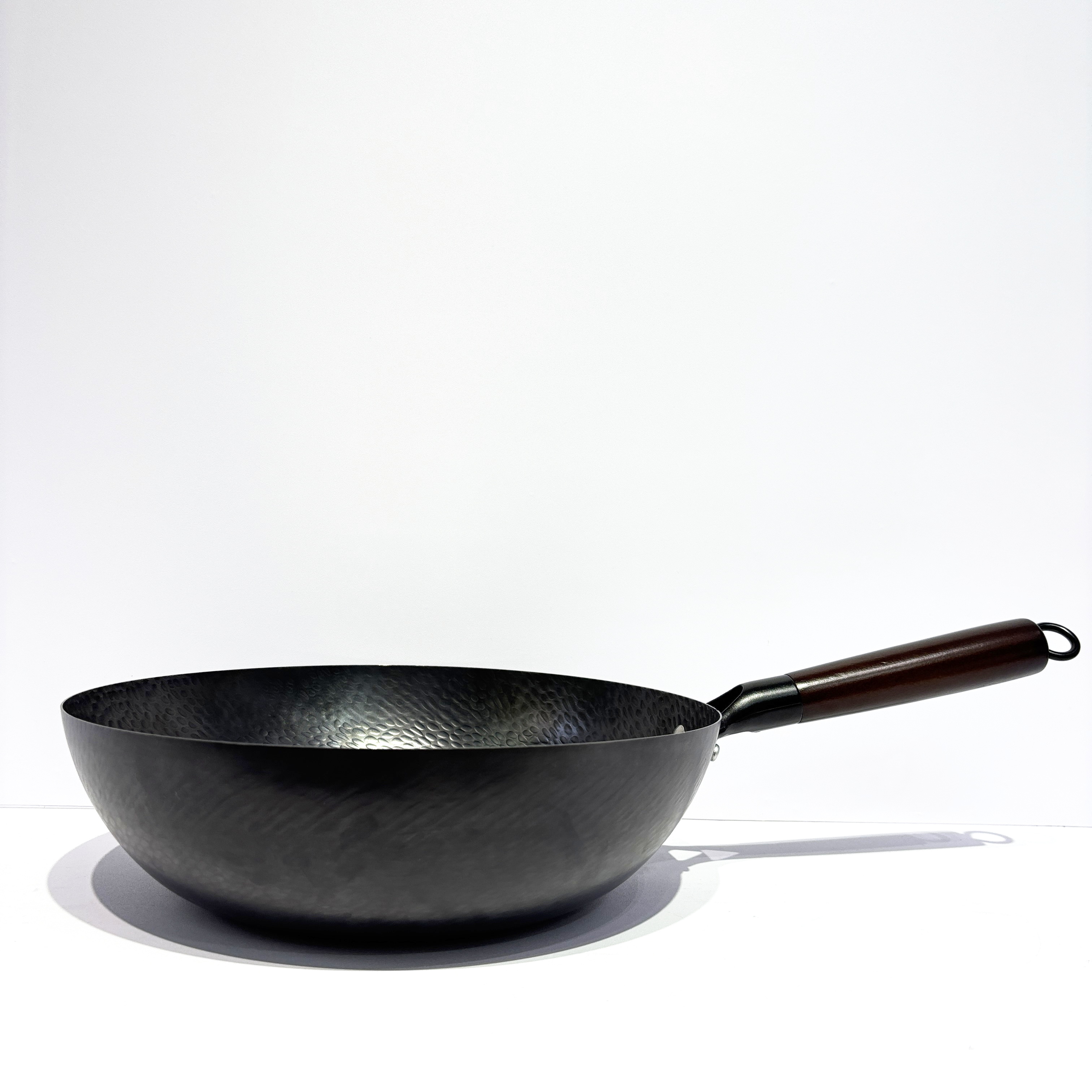
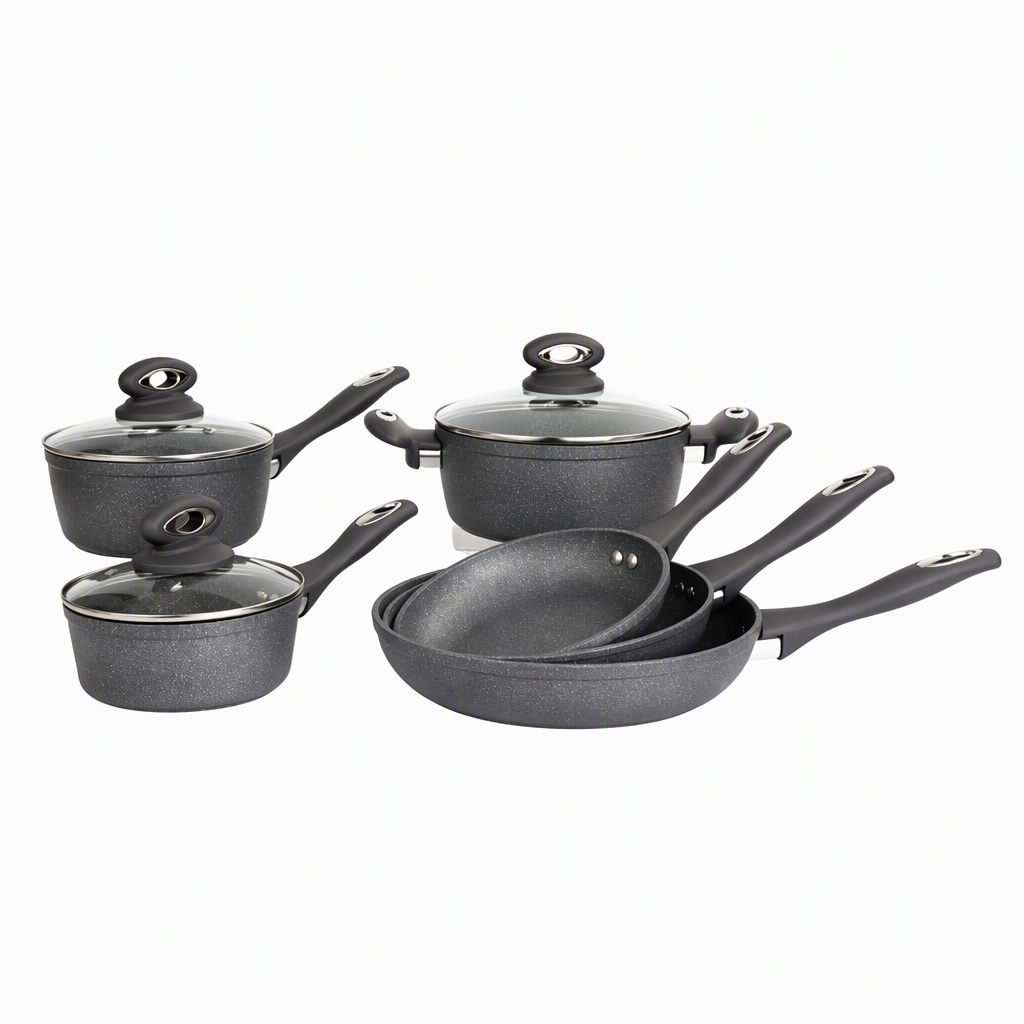
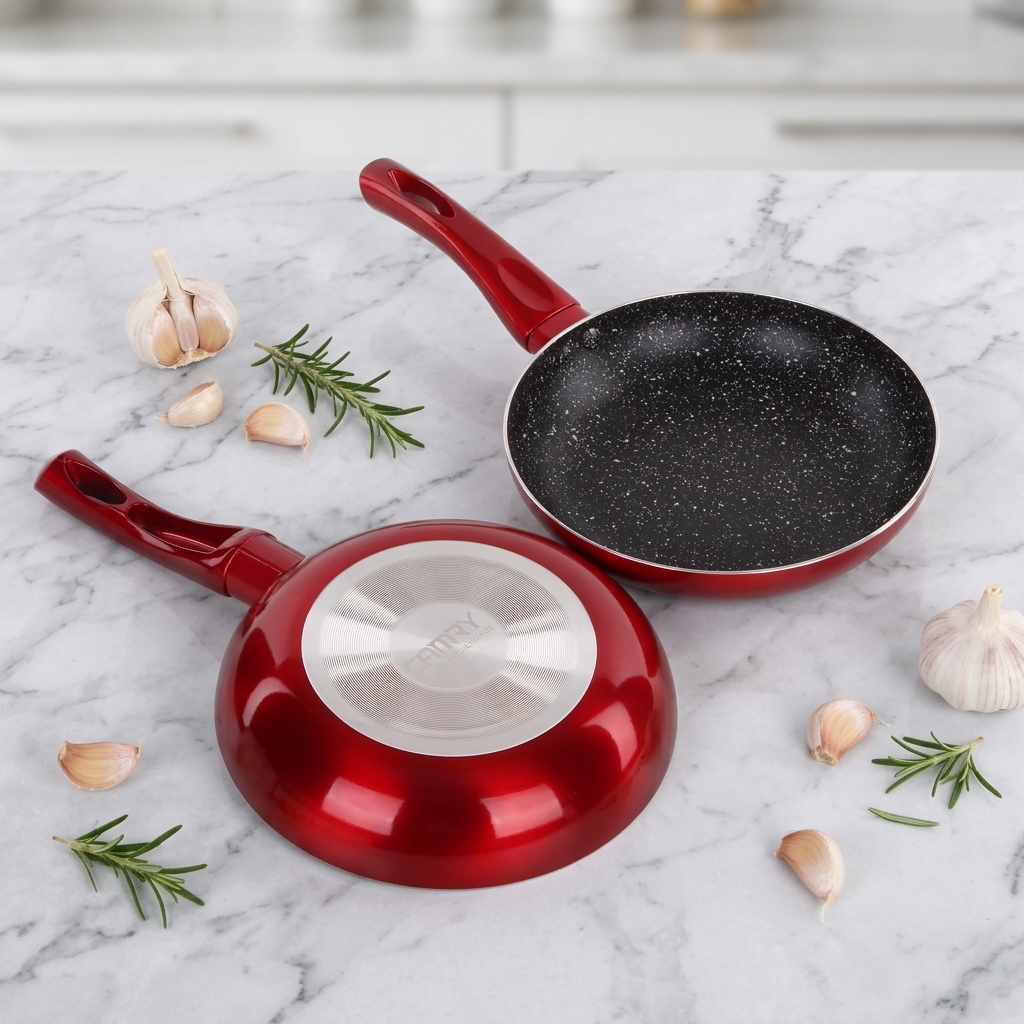
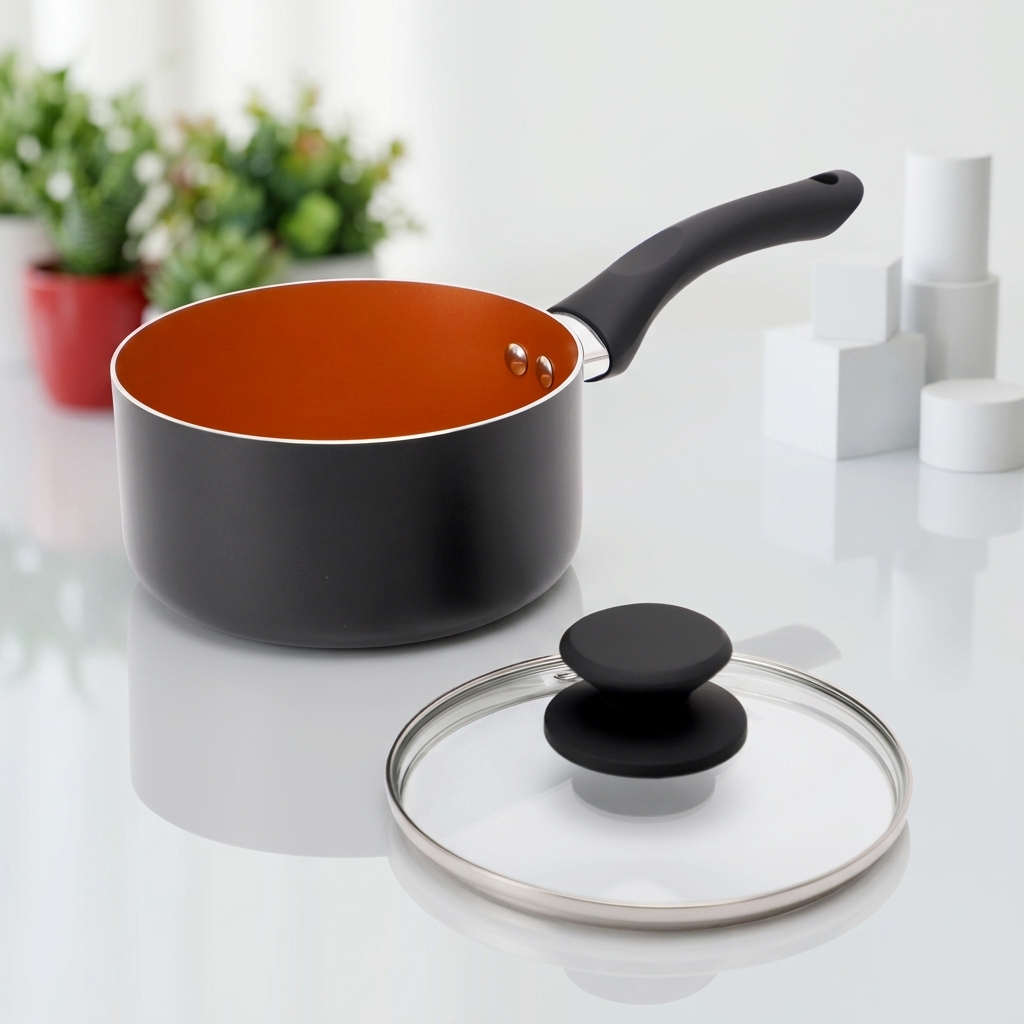
Featured Carbon Steel & Cookware Series
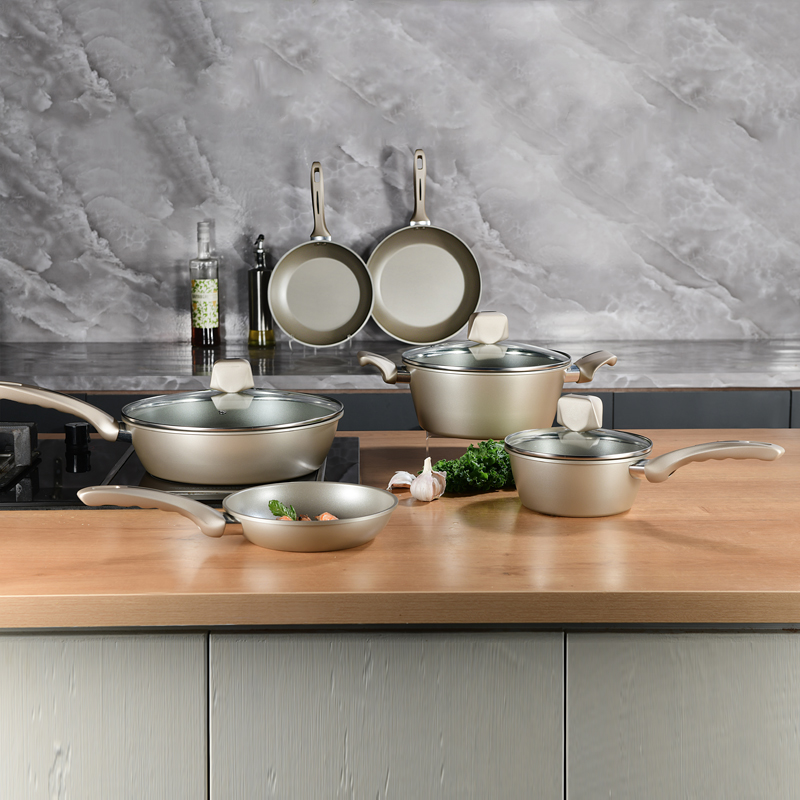
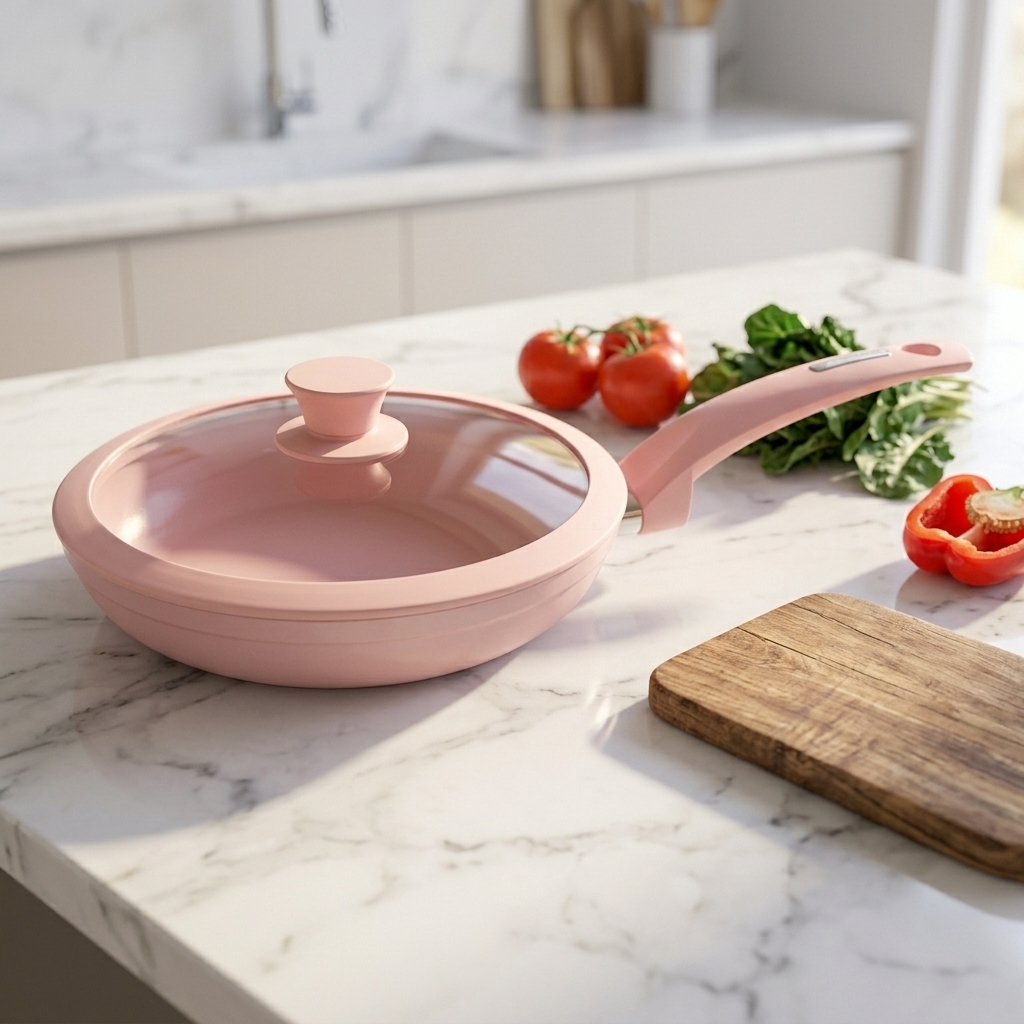
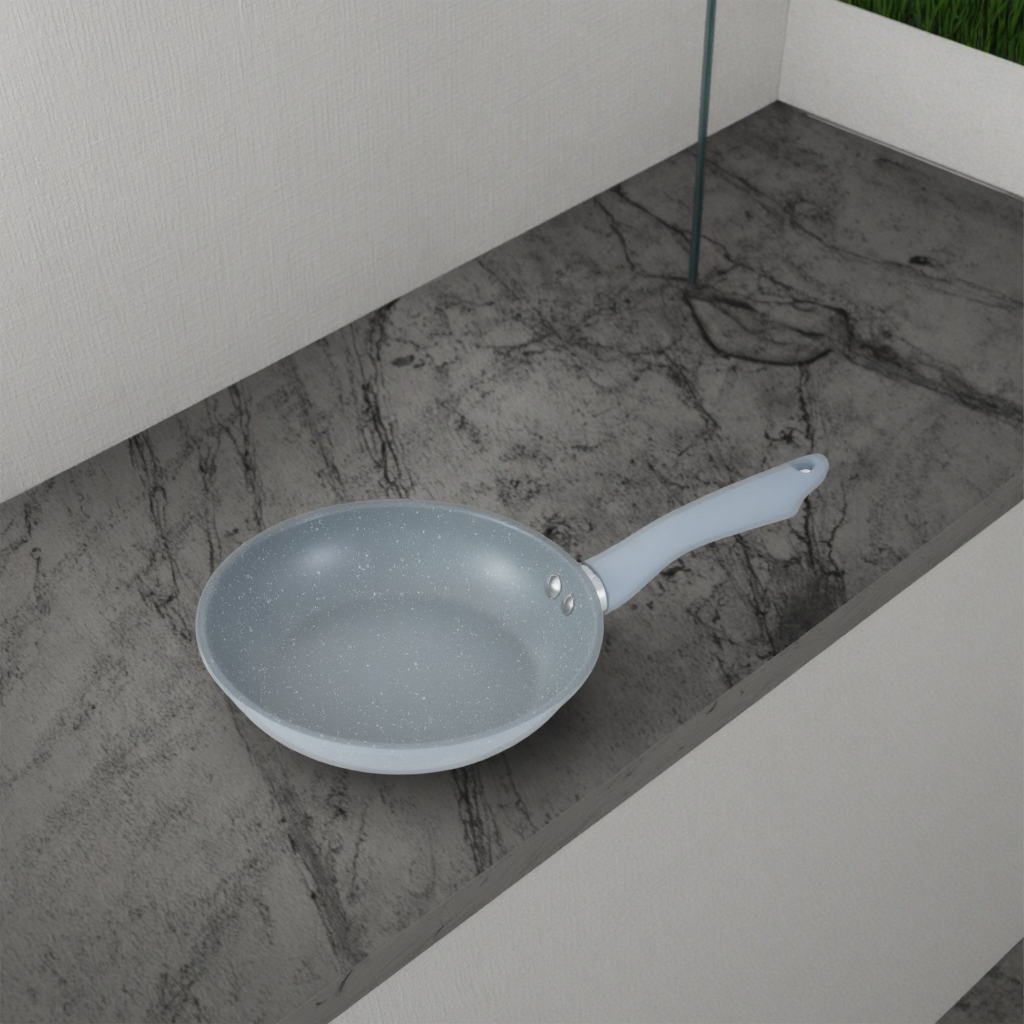
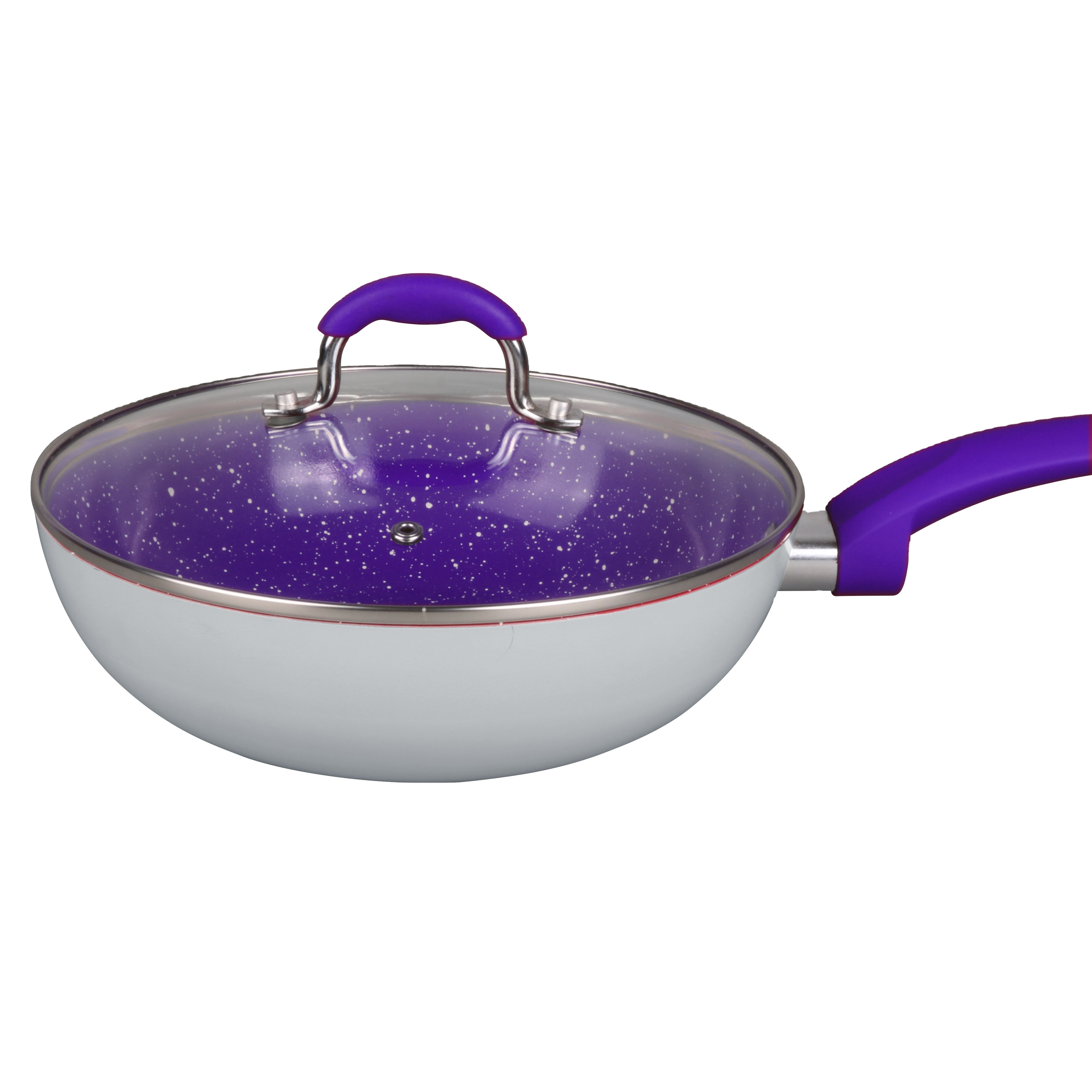
Direct OEM/ODM production lines from Zhejiang MEIS Kitchenware Co., Ltd. Verified durability, exceptional heat distribution, and tailored export packaging for Narva and Baltic markets.
Why Global Buyers & Narva Importers Partner with MEIS
A comprehensive look into Zhejiang MEIS Kitchenware Co., Ltd.—our metallurgical standards, production capacity, and strict quality control protocols.
TÜV Rheinland Verified Facility
Located in the Dongnan Industrial Zone, Shuxi Street, Jinhua, Zhejiang, our modern factory spans automated pressing, CNC finishing, spraying, and assembly lines inspected on-site by TÜV Rheinland.
Nitriding & Anti-Corrosion Tech
Our thermal gas-nitriding process converts raw carbon steel surfaces into hard iron nitride ($\epsilon-\text{Fe}_2-3\text{N}$), achieving chemical-free oxidation resistance and extreme scratch resistance ideal for harsh commercial environments.
100% Magnetic Induction Base
Heavy-gauge carbon steel naturally possesses magnetic permeability ($\mu_r \gg 100$), allowing 92%+ energy conversion efficiency on modern induction hobs—a critical selling point for European consumers.
Custom OEM/ODM Branding
From custom gauge thickness (1.2mm to 3.0mm) to ergonomic soft-touch Bakelite, stainless steel rivets, and custom laser-etched brand logos, we cater to strict private-label guidelines.
Rigorous In-House Testing Lab
Every batch undergoes salt spray corrosion tests, handle thrust/torsion resistance checks, nonstick abrasion tests, and thermal shock cycles prior to container loading.
Optimized Baltic Logistics
Experienced in shipping via Port of Muuga / Tallinn and direct rail/road freight to Narva (Ida-Viru County), complete with EUR.1, CE, and custom tariff documentation.
Engineering Carbon Steel Saucepans for the Narva & Baltic Market
As the second-largest economy in Ida-Viru County and a strategic logistics gateway in Eastern Estonia, Narva presents unique commercial opportunities for household and commercial cookware distributors. Local consumers and HoReCa (Hotel, Restaurant, Catering) buyers in Narva require cookware that balances fast thermal response, high durability under heavy cooking routines, and strict adherence to European health standards.
While traditional heavy cast iron cookware has long been present in Northern and Eastern European kitchens, market trends reveal a significant shift toward heavy-gauge nitrided carbon steel saucepans and woks. Carbon steel delivers comparable thermal storage capability to cast iron while weighing up to 50% less, enabling faster heat-up times and superior ergonomic control for professional chefs and home cooks alike.
Material Science: Carbon Steel vs. Alternative Cookware Substrates
To assist procurement managers, retail buyers, and brand owners in Narva when evaluating product lines, the technical matrix below outlines the performance dynamics of carbon steel saucepans compared to pressed aluminum, forged aluminum, and stainless steel:
| Performance Metric | Heavy-Gauge Carbon Steel | Pressed Aluminum | Forged Aluminum | 304 Stainless Steel |
|---|---|---|---|---|
| Thermal Conductivity | High (~50 W/m·K) | Very High (~205 W/m·K) | Very High (~210 W/m·K) | Low (~16 W/m·K) |
| Heat Retention | Excellent (Thick Wall) | Moderate | High (Thick Base) | Moderate |
| Induction Efficiency | Direct Magnetic (100%) | Requires Bonded Plate | Requires Bonded Plate | Requires 430 Base Layer |
| Deformation Threshold | Extremely High (>600°C) | Medium (>260°C) | High (>320°C) | Very High (>700°C) |
| Coating Compatibility | Nitrided, Ceramic, Titanium | PTFE, Ceramic 2-Layer | Marble, Granite Speckle | Uncoated / Specialty |
| Ideal Retail Market | Commercial & Premium Retail | Supermarket / Promotional | Mid-to-High Retail Chains | Professional Kitchens |
Thermodynamic Efficiency & Energy Preservation in Cold Climates
With winter temperatures in Estonia frequently dropping below sub-zero levels and energy tariffs remaining a core consumer consideration across the European Union, energy-efficient cookware is no longer optional—it is a mandatory purchase criterion. Carbon steel saucepans manufactured by MEIS feature engineered wall profiles (typically 1.5mm to 2.5mm) that optimize heat convection when preparing soups, stocks, cereal porridges, and reduction sauces common in Estonian cuisine.
Because carbon steel is an iron-carbon alloy containing less than 2% carbon, its atomic lattice facilitates rapid magnetic flux coupling on induction hobs. Thermal energy is generated directly within the saucepan's base rather than transferred through secondary bonded discs. This eliminates thermal lag, reduces electricity consumption by up to 22% during extended simmering cycles, and prevents hot-spot scorching.
Targeted Usage & Application Scenarios in Narva
How our cookware line aligns with local culinary habits, retail distribution channels, and commercial food preparation across Ida-Viru County.
Narva-Jõesuu Resort & Culinary Sector
The nearby coastal resort area demands heavy-duty saucepans and sauté pans for high-turnover hotel breakfast service, seafood reductions, and intensive restaurant use where nonstick durability and rapid cleanup are essential.
Household Everyday Stewing & Soups
Estonian home cooking relies heavily on slow-cooked root vegetable soups (such as Boršt and Seljanka) and berry compotes. MEIS 1.5QT to 3.0QT ceramic and carbon steel saucepans offer non-reactive food contact and easy heat modulation.
Supermarket & Retail Private Label Programs
Major retail chains operating in Narva and across Estonia require attractive color sleeve packaging, multi-lingual barcodes (EET/ENG/RUS), and certified PFOA-free eco-labeling to drive off-the-shelf consumer conversion.
Institutional & Educational Kitchen Supply
Public institutions and vocational culinary centers in the Baltic region require heavy-gauge carbon steel pans featuring reinforced double-riveted Bakelite or stainless handles that pass EN 12983-1 safety requirements.
Emerging Trends & Regulatory Standards in the Baltic Region
1. Transition Away from Traditional PFAS Formulations
Estonia, adhering strictly to European Union environmental directives, has accelerated the adoption of PFAS-restricted nonstick coatings. European consumers actively seek PFOA-free, Lead-free, and Cadmium-free certifications. At MEIS Kitchenware, our multi-layer ceramic coatings and micro-granite finishes utilize SOL-GEL technology derived from natural silica, offering non-toxic food release even when cooking at elevated temperatures up to 400°C.
2. Demand for Space-Saving & Multi-Functional Cookware Sets
Modern residential apartment layouts in Narva favor modular kitchen space utilization. Cookware sets equipped with detachable handles, stackable nest designs, and universal glass lids with silicone rims are experiencing double-digit annual sales growth in the Baltic retail market.
3. Gas Nitriding vs. Chemical Nonstick Coatings
Commercial buyers are increasingly procuring nitrided carbon steel woks and saucepans (such as our CAMRY Series). Through thermo-chemical surface treatment, nitrogen atoms diffuse into the steel matrix, yielding a permanent anti-rust layer that requires zero synthetic coating polymers. This raw yet nonstick surface allows metal utensil usage without risking coating flake degradation.
Frequently Asked Questions for Narva Importers & Wholesalers
Clear answers to common logistics, custom manufacturing, compliance, and minimum order questions.
Does MEIS kitchenware comply with European Union food contact regulations (LFGB & REACH)?
Yes, absolutely. All cookware manufactured by Zhejiang MEIS Kitchenware Co., Ltd. intended for European export complies with EU Regulation (EC) No 1935/2004, German LFGB standards, and REACH chemical safety directives. Heavy metals, PFOA, PFOS, Lead, and Cadmium test reports from SGS or TÜV Rheinland are provided with export documentation.
What are the standard lead times and container shipping routes to Narva, Estonia?
Our standard production lead time is 30 to 45 days after deposit confirmation and artwork approval. Ocean shipments depart from Ningbo or Shanghai Port directly to the Port of Muuga (Tallinn). From Tallinn, land freight delivery to Narva typically takes 1 to 2 days. Total transit time from factory to Narva warehouse is approximately 35 to 42 days.
Can we order custom branding, laser logo engraving, and retail packaging for our brand in Narva?
Yes. We specialize in complete OEM/ODM solutions. We offer laser-etched brand logos on pan bases or handles, custom-printed color sleeves, gift boxes, multi-language instruction manuals (Estonian, Russian, English), and barcode labeling tailored to your retail specifications.
What is the Minimum Order Quantity (MOQ) for carbon steel saucepans and cookware sets?
Standard OEM production MOQs range from 1,000 to 3,000 units or sets per model depending on custom color and tooling requirements. However, for trial orders or established distributors in the Baltic region, we offer flexible low-MOQ options starting at 500 units on selected standard runs.
Why choose heavy-gauge carbon steel over traditional pressed aluminum for European induction stoves?
Carbon steel is inherently ferromagnetic across its entire body, providing rapid and uniform heat distribution on induction hobs without needing a secondary stamped stainless steel disc base. This lowers production cost while ensuring zero risk of base-plate detachment over years of heating cycles.
How does Zhejiang MEIS handle quality control and pre-shipment inspections?
Our factory operates under a strict ISO-aligned quality assurance system. Every batch undergoes raw material purity checks, coating thickness measurement, cross-hatch adhesion testing, salt spray corrosion testing, and handle torque/fatigue tests. Third-party inspection agencies (SGS, BV, AsiaInspection) are always welcome prior to container sealing.
Partner with China's Leading Carbon Steel Saucepan Manufacturer
Expand your product line in Narva and across the Baltic region with TÜV-verified, high-margin cookware. Get direct factory pricing, sample requests, and technical OEM proposals today.