Recommended Cookware Series for Pristina Distributors
Engineered for thermal performance, food-contact safety compliance, and multi-hob versatility across residential and HORECA channels in Kosovo.
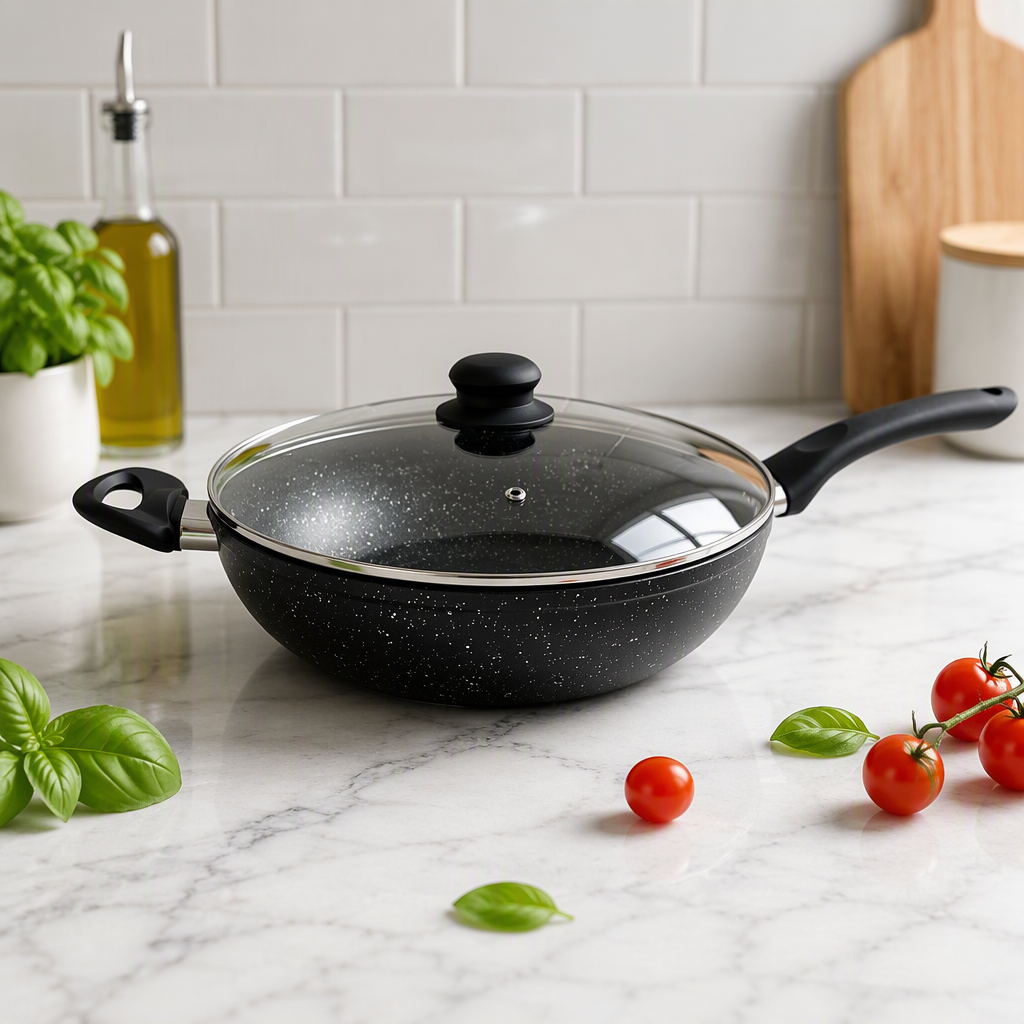
26 cm Non Stick Forged Aluminum Wok Marble Coating Glass Lid Cool Handle 3.5 L for Gas and Induction Cookers
Features a heavy-gauge die-forged body with reinforced marble coating. Ideal for high-heat sautés and simmering family dishes in Pristina kitchens.
View Specifications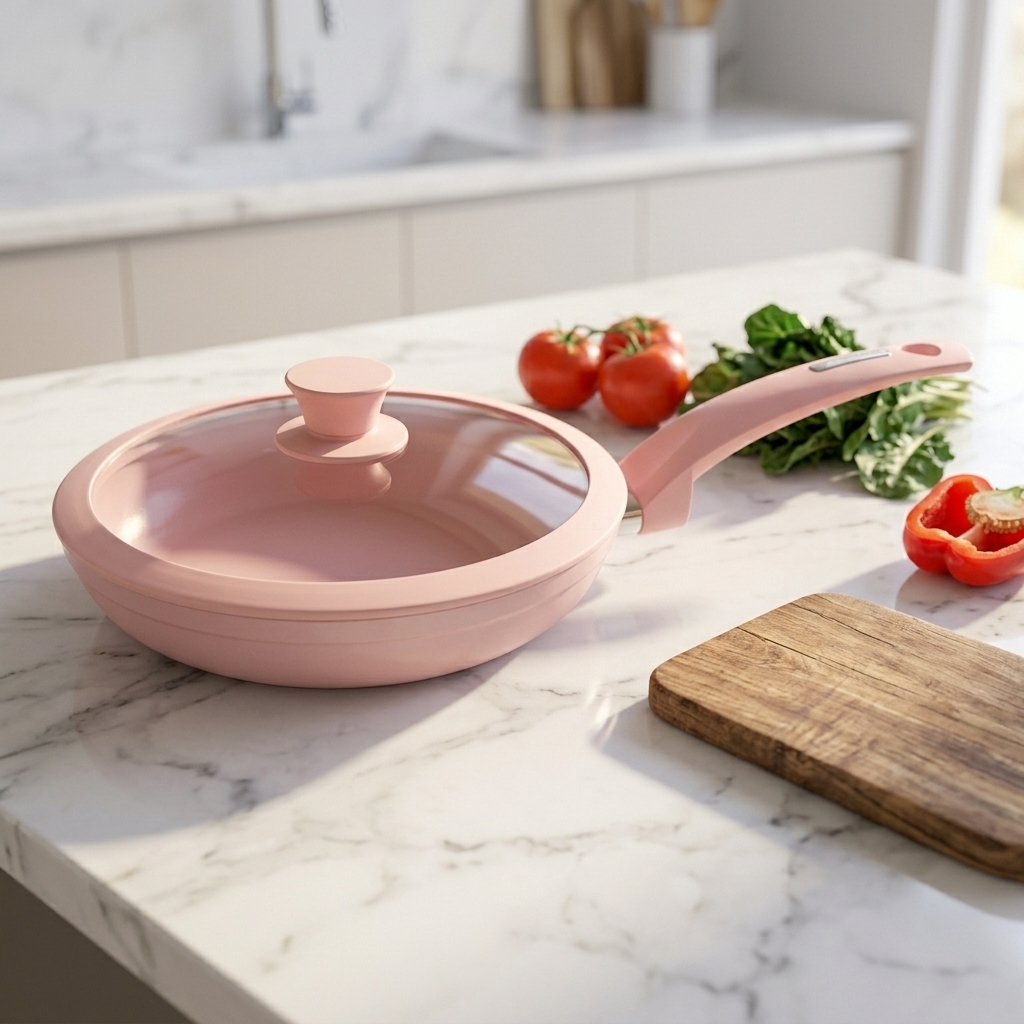
Factory Price Customized Colorful 22 cm Forged Aluminium Non-Stick Fry Pan with Glass Cover Durable for All Heat Sources
Compact 22cm pan designed for modern urban apartments in Pristina. Thermal-efficient induction bottom with custom silicone-rim glass cover options.
View Specifications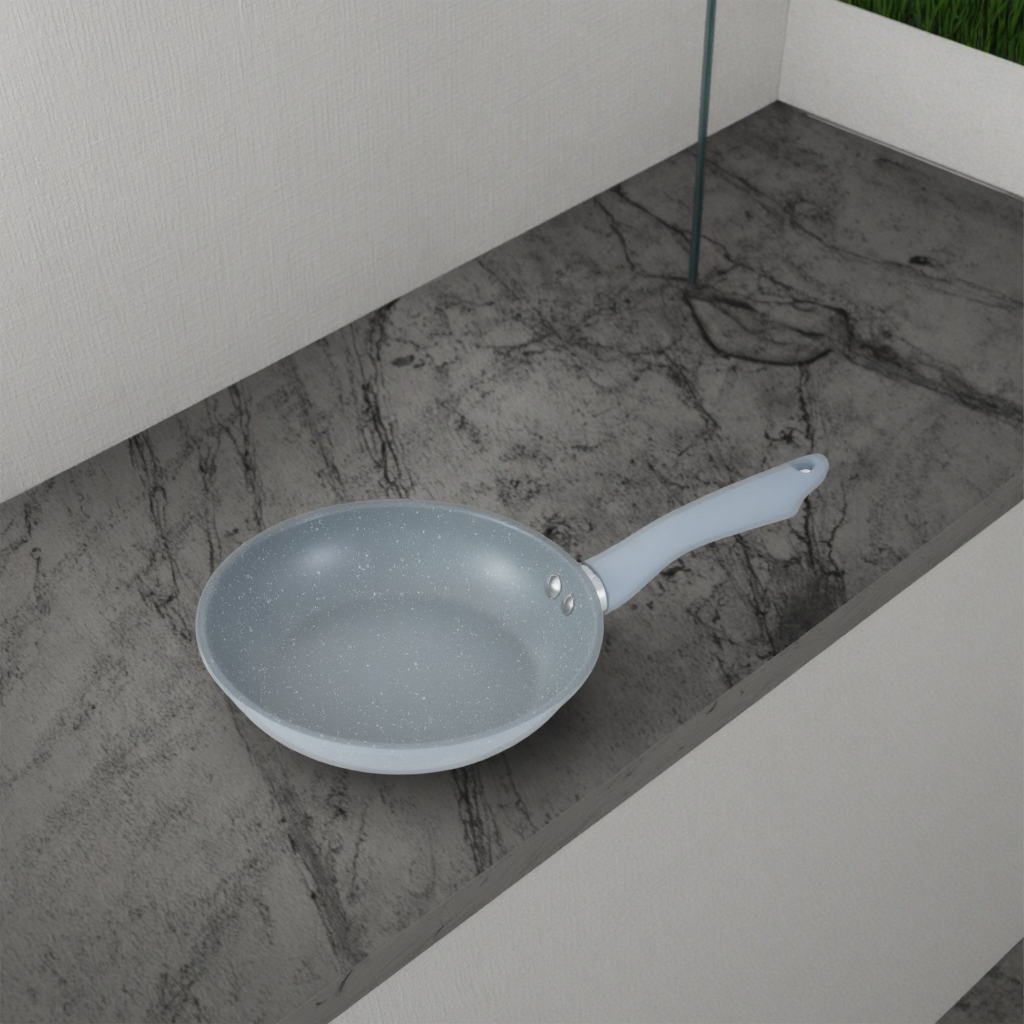
10-Inch Heavy Gauge Carbon Steel Fry Pan with Bakelite Soft Touch Handle Ceramic Non-Stick Eco-Friendly Pans
Rigid Q195 carbon steel base provides natural magnetic responsiveness for induction cooktops. Eco-friendly sol-gel ceramic lining resists high ambient heat.
View Specifications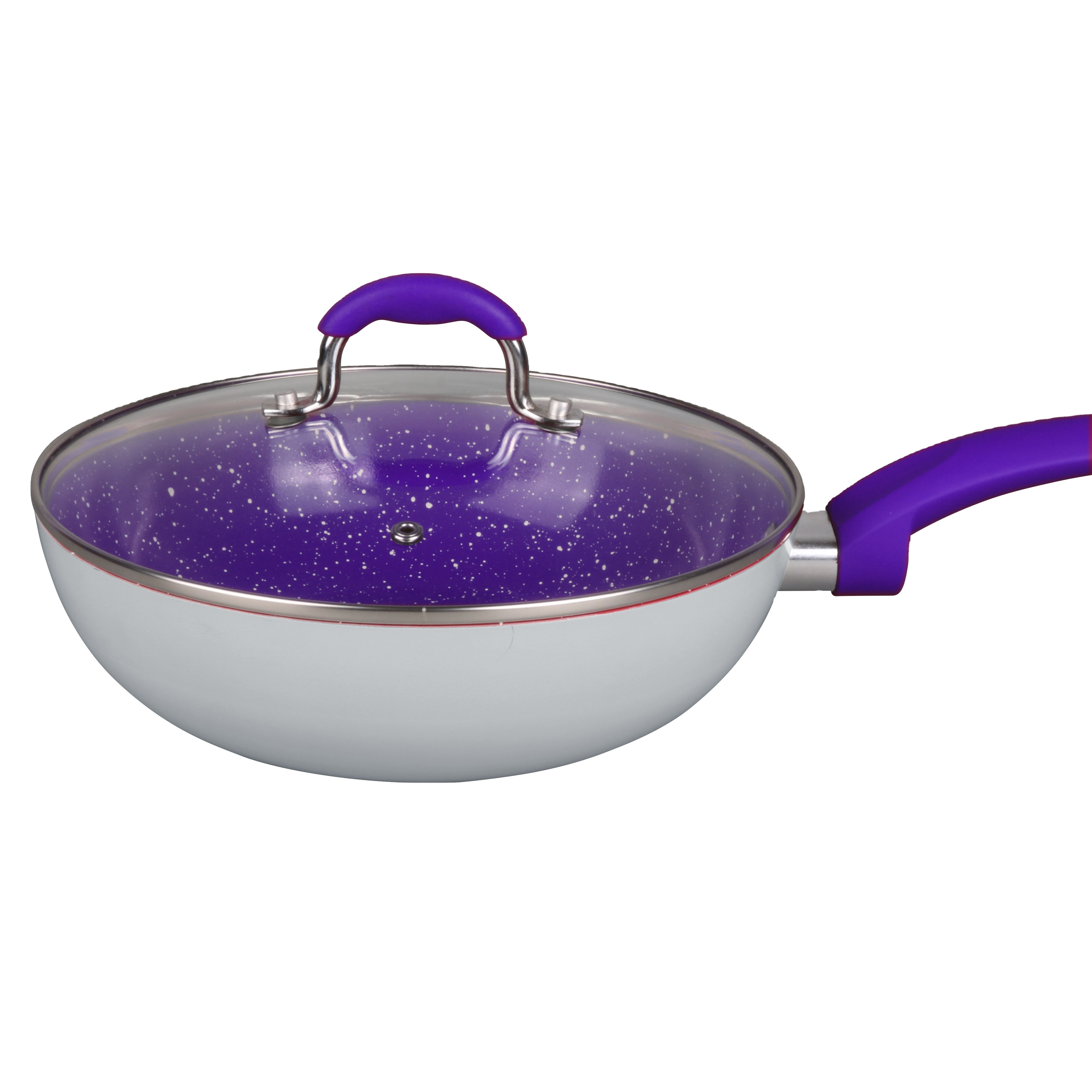
Low Price MOQ 30 cm Marble Coating Non Stick Pressed Wok Deep Fry Pan with Bakelite Cool-touch Handle for All Stoves
High-volume retail favorite. Lightweight pressed aluminum construction delivers fast thermal distribution at a competitive wholesale price point.
View Specifications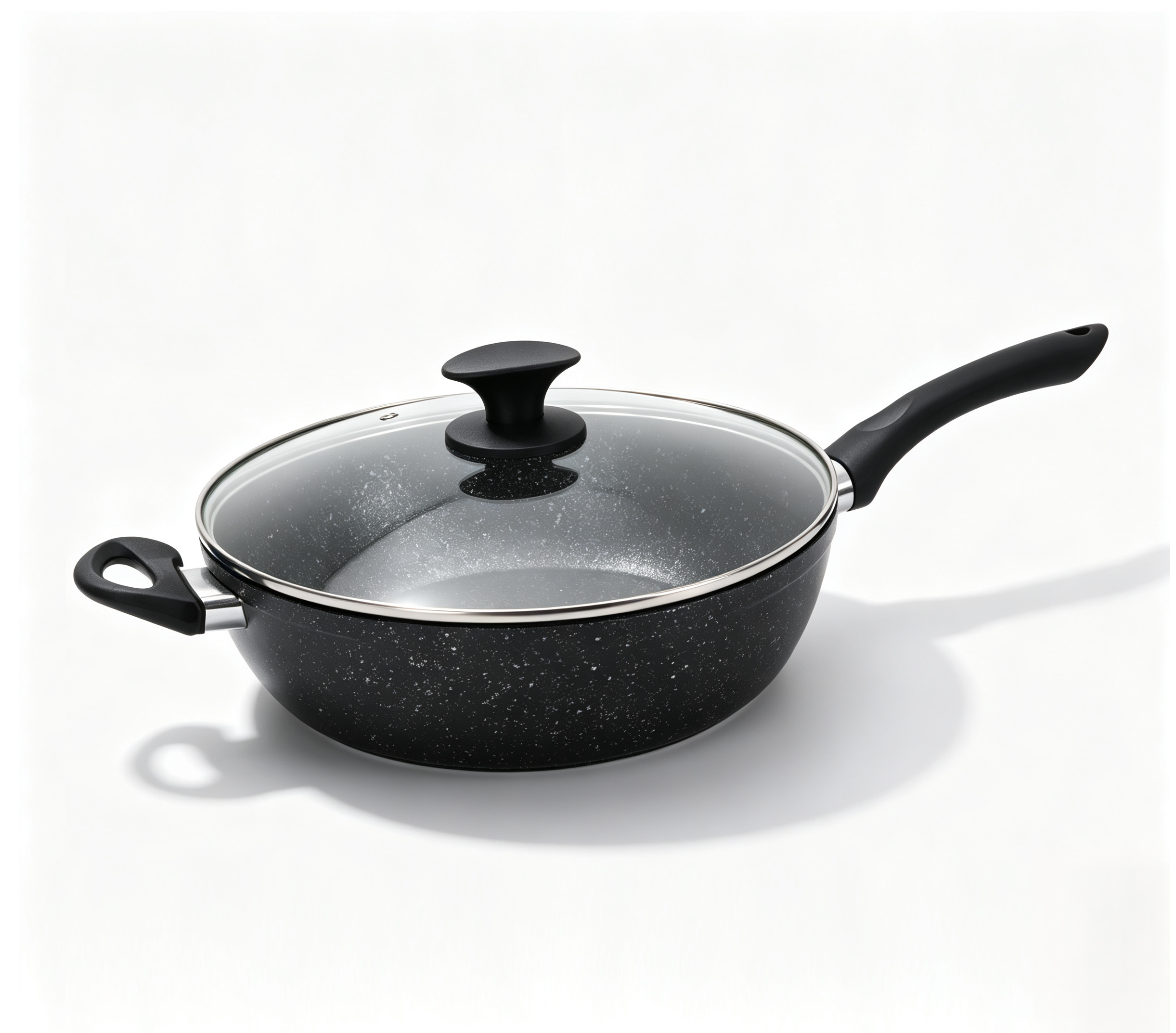
Easy Cleaning Modern Granit Nonstick Aluminum Cookware Pot Multi-function Deep Fry Pan Glass Lid Induction Ready Bakelite Handle
Multi-functional deep sautée structure. Equipped with a scratch-resistant multi-layer granite dispersion layer designed for heavy-duty daily cooking.
View Specifications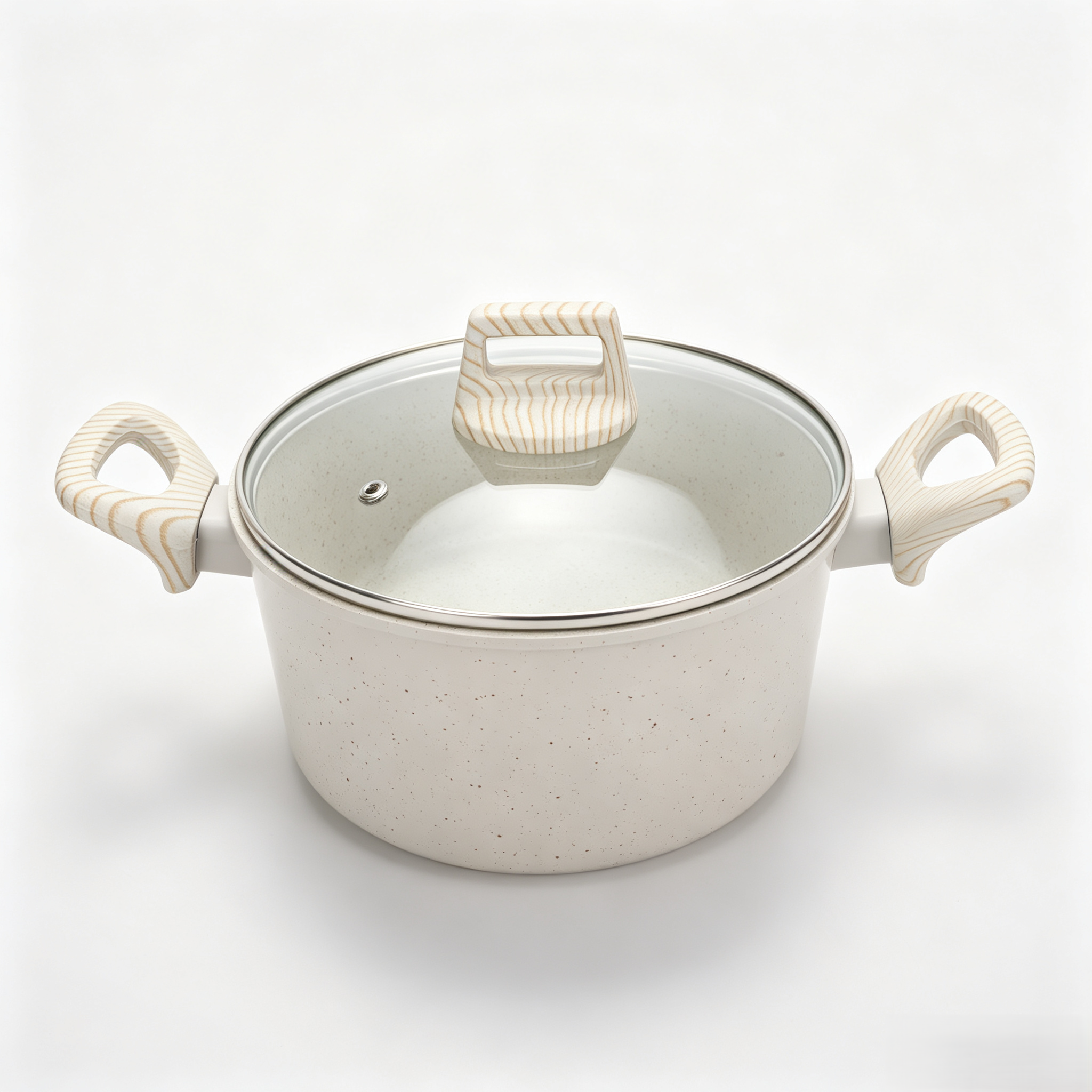
Large Capacity Durable Nonstick Aluminum Cookware Pot Casserole Induction Bottom Bakelite Handle Glass Cover Oven Safe
High-capacity casserole engineered for slow-cooked Balkan stews and hospitality kitchens. Features heavy rim reinforcement and an induction bonded base.
View Specifications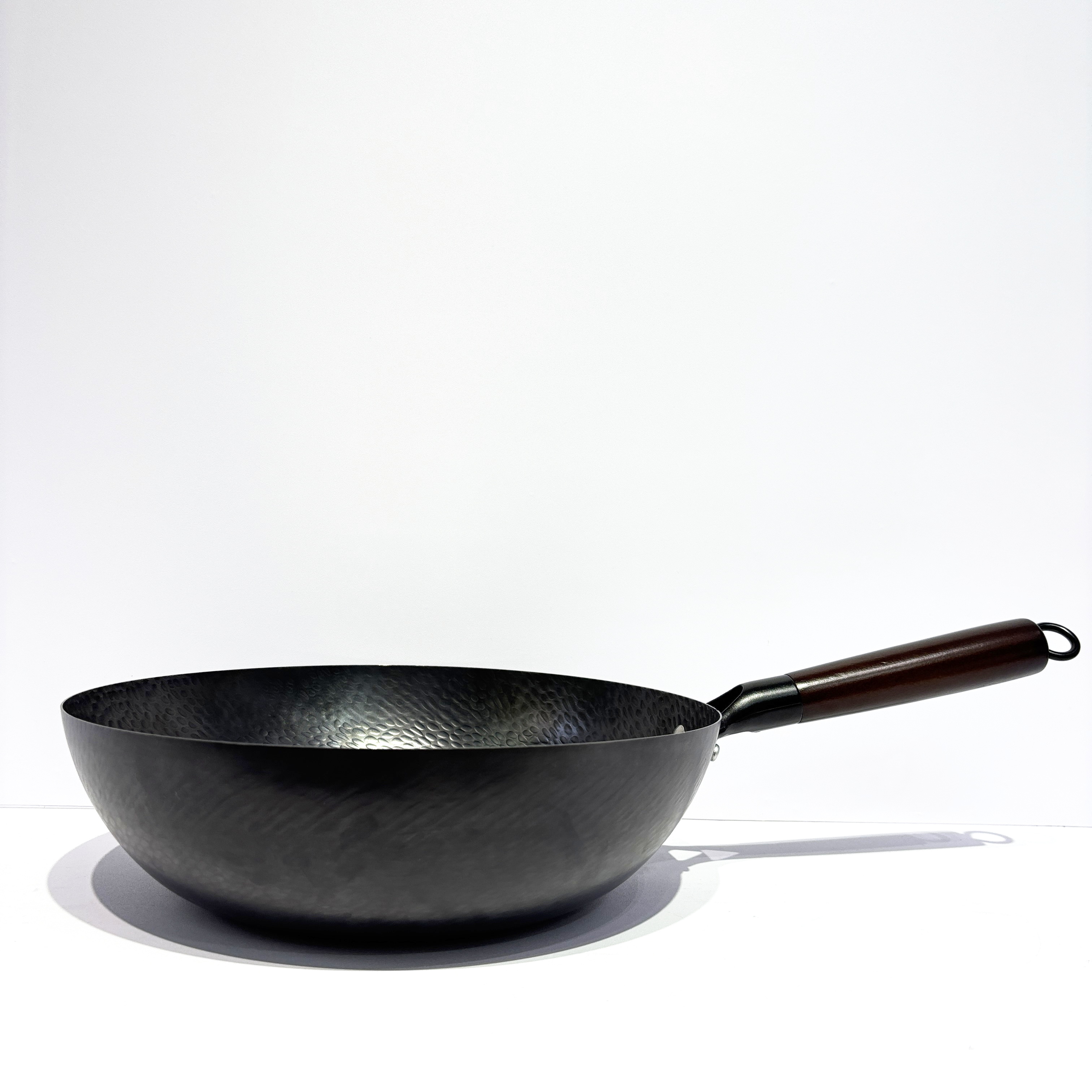
CAMRY Customized Logo No Coating Nitrided Nonstick Hammered Carbon Steel Wok Wooden Handle 2-3L Capacity Gas Induction
Chemical-free nitriding thermal treatment creates a rust-resistant, high-durability natural nonstick surface. Preferred by professional culinary teams.
View Specifications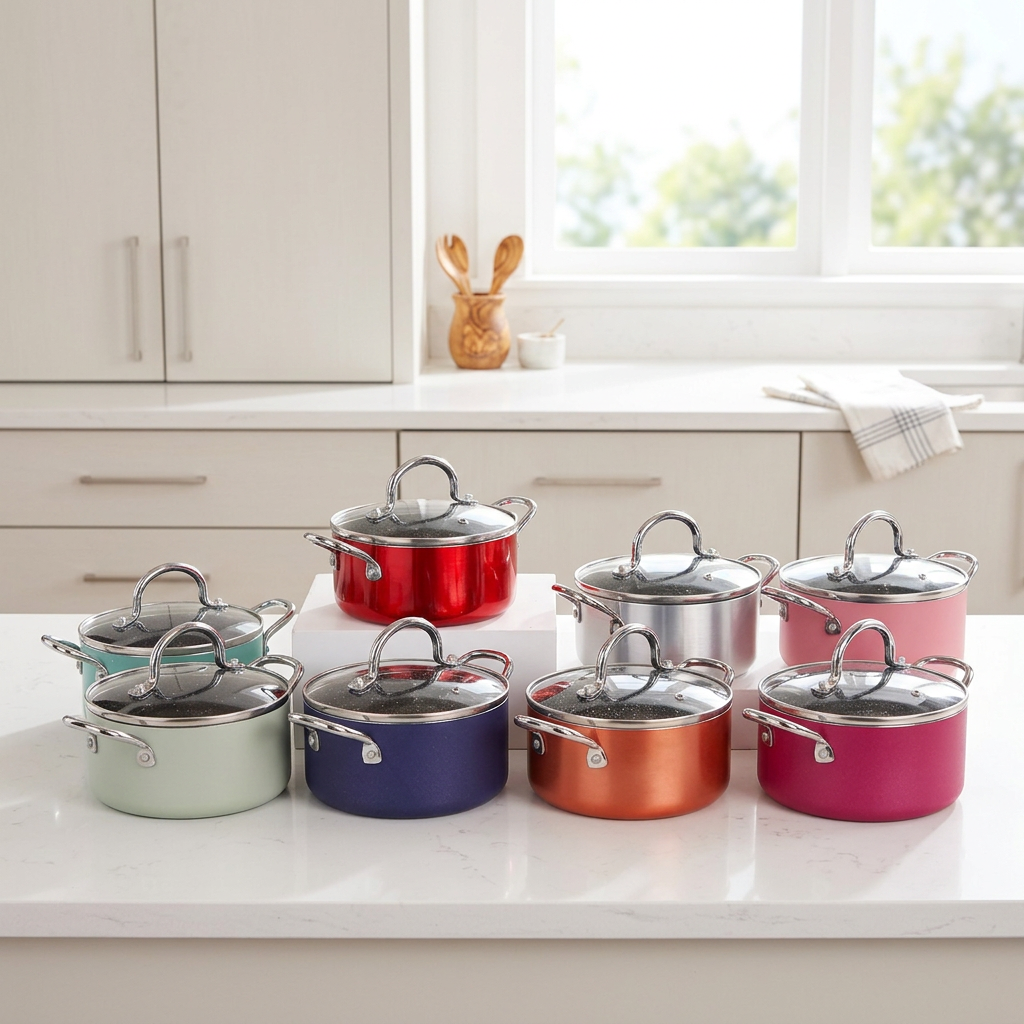
14cm Mini Sauce Pan with Glass Lid Colorful Non Stick Cookware for Induction and Gas Stoves Home Kitchen Use
Precision 14cm saucepan for sauces, milk warming, and Turkish coffee/tea preparation. A high-turnover item for supermarket chains across Kosovo.
View Specifications1. Pristina & Kosovo Cookware Market Dynamics: B2B Sourcing Analysis
The retail and institutional cookware landscape in Pristina—and across the broader Kosovo market—is undergoing a structural transition. Driven by urban development in city centers like Dardania, Lakrishtë, and Velania, residential kitchen design has shifted rapidly toward energy-efficient, induction-compatible glass-ceramic stovetops. Importers, wholesalers, and private-label brand owners sourcing nonstick saucepans and cookware sets must evaluate manufacturing partners through the dual lens of metallurgical integrity and regional EU regulatory alignment.
Historically reliant on traditional thin-gauge stamped aluminum, Pristina’s retail buyers now demand heavy-gauge forged aluminum (2.8mm to 4.5mm wall/base profiles) and nitrided carbon steel options. This trend stems from consumer demand for longer-lasting nonstick durability, resistance to base warping under rapid thermal cycling, and 100% PFOA-free food safety guarantees compliant with Regulation (EC) No 1935/2004 and FDA standards.
2. Technical Metallurgy & Coating Tribology: Pressed vs. Forged vs. Carbon Steel
Selecting the appropriate substrate and nonstick matrix determines landed price competitiveness, return rate mitigation, and brand equity for Pristina importers. Below is an engineering comparison of the three core cookware categories manufactured at our Jinhua facility:
| Substrate Category | Metallurgical Structure | Thermal Conductivity | Base Stability | Target Pristina Sales Channel |
|---|---|---|---|---|
| Pressed Aluminum | 1050 / 3003 Commercial Pure Aluminum Sheet | Very High (~225 W/m·K) | Standard (2.0mm - 2.5mm rim) | Mass Supermarkets & Promotional Bundles |
| Forged Aluminum | Die-Forged High-Density Aluminum Matrix | High & Even Distribution | Superior (3.5mm - 4.5mm Heavy Base) | Mid-to-High Retail & Private-Label Brands |
| Carbon Steel | Q195 Low-Carbon Structural Steel Alloy | Moderate (~50 W/m·K), High Retention | Rigid / Zero Warping under High Heat | Induction-First Homes & Commercial HORECA |
For nonstick saucepan applications in Pristina, Forged Aluminum with multi-layer Granite or Marble ceramic speckle coatings represents the optimal balance of heat distribution and scratch resistance. Forged saucepans prevent hotspot scorching during delicate sauce reductions, while carbon steel variants offer structural durability for high-volume commercial kitchens.
3. Localized Application Scenarios in Pristina & Kosovo Culinary Context
Understanding consumer culinary habits in Kosovo is vital for optimizing product specifications (such as handle ergonomics, pan depth, base magnetic permeability, and lid seal tightness). Pristina kitchens combine traditional Balkan culinary techniques with modern Western European appliance standards.
Traditional Stewing & Simmering
Dishes such as Tavë Kosi, Pasul, and slow-simmered meat sauces require sustained, low-heat simmer control without bottom scorching. Our thick-base deep fry pans and casserole saucepans maintain steady thermal inertia across gas and electric burners.
High-Turnover Dairy & Beverage Warming
Daily domestic routines in Pristina involve warming milk, preparing tea, and making coffee multiple times daily. Compact 14cm to 16cm saucepans with reinforced pour spouts and cool-touch Bakelite handles are high-velocity SKUs in regional supermarket chains.
Modern Apartment Glass-Top Cooking
New residential developments in Pristina feature smooth ceramic glass and induction cooktops. Precision CNC-lathed induction bottoms ensure flat, zero-wobble contact, max heat transfer efficiency, and protection against glass scratching.
4. Emerging Market Trends in Pristina: 2024–2030 B2B Procurement Outlook
Based on export transaction data and localized distributor feedback across the Western Balkans, five distinct market trends are shaping cookware procurement in Pristina:
- Dominance of Ceramic & Granite Speckle Aesthetics: Traditional plain black PTFE coatings are rapidly losing market share to visual-texture finishes such as gray granite, white marble, and champagne gold metallic spray coats.
- PFOA / PFAS / GenX Environmental Regulations: Institutional buyers and retail shoppers actively seek explicitly certified non-toxic coatings. Offering documented testing reports builds consumer trust and accelerates shelf velocity.
- Space-Saving Detachable Handle Systems: Compact apartment living in urban Pristina creates strong demand for click-off handle sets that allow pans to transition from cooktop to oven, into the refrigerator, and stack neatly inside cabinets.
- Private-Label Customization: Supermarket chains and regional kitchenware brands in Kosovo increasingly request custom laser-etched logos, branded base induction plates, and localized Albanian/English retail box artwork.
- Higher Demand for Carbon Steel Woks & Sauté Pans: Fusion cooking and high-heat Asian-inspired stir-fry dishes are gaining popularity among younger urban demographics in Pristina, boosting demand for nitrided, chemical-free carbon steel woks.
5. Why Leading Balkan Importers Partner with Zhejiang MEIS Kitchenware
Sourcing direct from a verified OEM/ODM factory eliminates intermediary markups and provides technical customization from the raw aluminum disk to final export packaging.
TÜV Rheinland Verified Facility
Operating out of Dongnan Industrial Zone, Jinhua, Zhejiang, our factory undergoes rigorous on-site audit assessments covering production capacity, QA workflows, and employee labor standards.
End-to-End In-House Manufacturing
From hydraulic disc pressing, CNC lathe base finishing, and automatic degreasing to multi-layer spray coating, curing, and handle assembly—every critical stage is controlled under one roof.
Advanced Quality Control Testing
Our internal testing lab conducts salt spray corrosion resistance tests, handle fatigue load tests, coating cross-hatch adhesion checks, and thermal shock stress testing on every production batch.
Frequently Asked Questions: Sourcing for the Pristina Market
Clear, direct technical and commercial answers for Kosovo importers, distributors, and procurement managers.
What are the standard shipping routes and lead times to Pristina, Kosovo?
Shipments typically depart from Ningbo or Shanghai port via ocean freight to regional Balkan gateways—most commonly the Port of Durrës (Albania) or Port of Bar (Montenegro)—followed by direct inland container trucking to Pristina customs terminals. Average transit time is 28–35 days, with factory production taking 30–40 days after sample confirmation.
What Minimum Order Quantity (MOQ) applies for custom OEM branding?
For fully customized color coatings, custom box artwork, and laser-etched base logos, standard MOQ is 1,000 to 1,500 pieces per size for forged aluminum saucepans, and 2,000 to 3,000 pieces for pressed aluminum items. Trial orders with mixed sizes in standard stock colors can be negotiated.
Are nonstick coatings certified food-safe for Kosovo and EU regulations?
Yes. All coating systems (Ceramic, Marble, Granite, and Hard Anodized) applied by MEIS Kitchenware comply strictly with LFGB, FDA, and EU Regulation (EC) No 1935/2004 standards. Official third-party lab certificates (SGS / TÜV / Intertek) are provided prior to shipment.
How do you ensure nonstick coatings do not peel or scratch during shipping?
We utilize electrostatic multi-coat spray systems followed by high-temperature tunnel curing to optimize mechanical bonding to the aluminum substrate. Products are packed with protective non-woven dividers, bubble sleeves, and reinforced 5-ply corrugated export cartons to prevent transit damage.
Can cookware be configured specifically for induction stoves in Pristina?
Absolutely. We apply high-precision magnetic stainless steel impact-bonded bases or full-coverage spray induction bottoms to aluminum saucepans and frying pans. Our carbon steel models are naturally induction-ready without added base plates.
What sample development support is provided to prospective buyers?
We offer rapid sampling for Pristina distributors. Standard catalog samples ship within 3–5 days. Custom color matching (Pantone) and localized artwork box proofs are finalized within 7–10 working days upon receiving vector design files.
Partner with a Verified Nonstick Cookware Factory
Expand your retail cookware lineup in Pristina with competitive factory-direct pricing, certified coating safety, and custom OEM packaging support.
Send an Inquiry